We speak with Courtney Quirin, whose film, Guardian, won the JURY PRIZE for BEST DOCUMENTARY FEATURE at this year’s SF IndieFest. Guardian will be screened at the Mendocino Film Festival this Saturday, June 1 at 5:30 in Crown Hall. It has been described as a cautionary tale about the role of science in environmental decision-making and the repercussions of its censorship. But that is totally inadequate to describe the human focus, the magnificent cinematography and the emotional impact the film has.
Courtney Quirin’s background includes a Master’s Degree in Wildlife Management from U of Otago in New Zealand, which included going to the highlands of Ethiopia to identify the nature and extent of farmer-primate conflict. Then, on to Ohio State U. to investigate urban coyotes for her PhD, but just shy of 2 years into that degree, she realized that her true passions lie within documentary film and investigative journalism. So she earned her Master’s in Journalism and Documentary Film from the U.C. Berkeley Graduate School of Journalism. She has reported for the Associated Press in South Africa, Al Jazeera, Bay Nature Magazine and Mission Local in California.
Doug Stewart has been a Guardian in the Great Bear Rainforest since 1977, living on the Surfbird with his wife, Carol, & monitoring over 129 creeks & streams. 
After Doug, Stan Hutchings is the 2nd oldest Guardian. He began as a teenager in 1979.
After the interview with Courtney, we reported on the US Navy’s proposed Training & Testing, reading a PSA from Thaïs Mazur:
The Navy is seeking Federal Regulatory Permits under the Marine Mammal Protection Act (MMPA) and the Endangered Species Act (ESA) to do weapons testing off the Mendocino coast, requesting a seven year permit to do the testing and training 12 miles offshore.
This is part of the larger Northwest Navy Training and Testing from Alaska to Northern California. The coast of Mendocino is a major migration route for gray whales and humpbacks.
The Navy is proposing activities that include anti-submarine warfare exercises involving tracking aircraft and sonar; surface-to-air gunnery and missile exercises; air-to-surface bombing exercises; and extensive testing for several new weapons systems.
U.S. Navy training exercises in the Pacific Ocean could kill, injure, or harm dozens of protected species of marine mammals — Southern Resident killer whales, blue whales, humpback whales, dolphins, and porpoises — through the use of high-intensity, mid-frequency sonar, which harass whales, dolphins and other marine mammals, 12.5 million times over the next five years. The use of sonar has been directly connected to many instances of beached whales, that have died from erupting lungs, ruptured ear drums and organ damage after military sonar exercises. Sonar exercises have also been found to cause mass strandings of whales.
The Navy is accepting comments on the DRAFT Supplemental EIS through June 12, 2019. Here is the link:
https://www.nwtteis.com/PublicInvolvement/Public-Comment
All photos credited to Courtney Quirin

 Sefali is a Green Rhinos Youth Leader in Maipith, Sundarbans, India. After a devastating cyclone hit in 2009, she organized fellow students to plant trees around their homes and school.
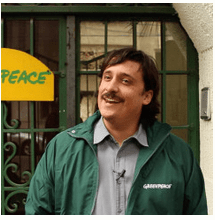 Matias Asun exchanged his job as Director of Greenpeace in Chile to become the Ambassador from the newly proclaimed Republica Glaciar after concluding that the Chilean government had abandoned glaciers. He lobbies the Legislature and pertinent boards to gain protection for them from mining companies and climate disruption.
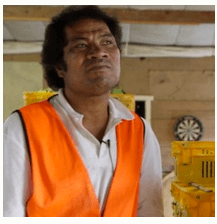 Ioane Teitiota of the island nation of Kiribati was the first person in the world to apply for climate refugee status in New Zealand. Although his island is expected to be completely inundated within 20 years, the Immigration Board ruled that he and his family were not in danger of dying, so they were sent back. Noting that if he were granted asylum on grounds of climate change it would open the floodgate for millions of others ironically confirmed his reason for being granted asylum.
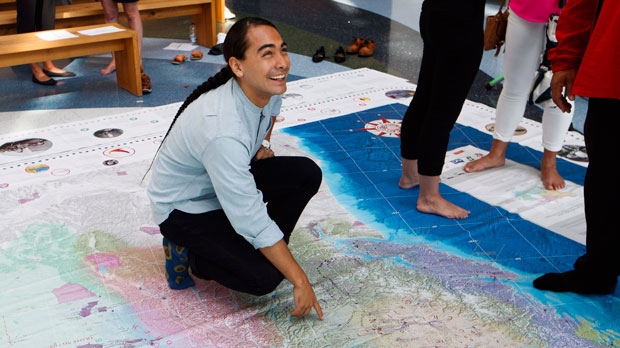
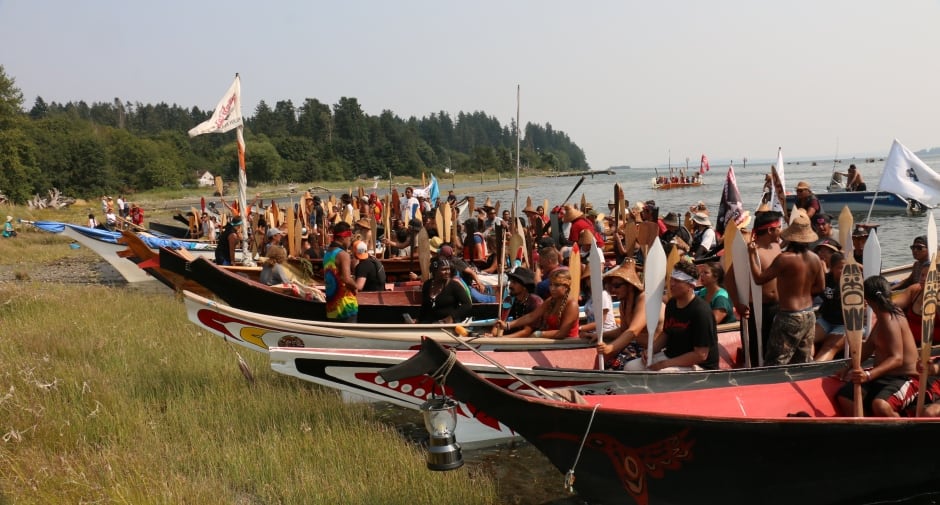
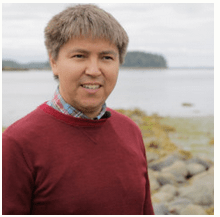 Will Nelson is a biologist and a member of the Metlakatla Stewardship Council. They are engaged in using helicopters to map inter-tidal archeological sites to document their heritage in present day British Columbia, which they have maintained for at least the past 14,000 years. Structures such as clam gardens and clam middens establish their long-standing claims to the land to protect sensitive coastal areas from development.


 Lowell was largely responsible for Lawrence’s fame after presenting pioneering multi-media productions using photographs and film to more than 3 million theater goers.


 Afghan Cycles was awarded the Special Jury Prize for Best Documentary at the Seattle International Film Festival, as well as the Best Documentary Feature at the Brooklyn Film Festival, both in 2018.

 A main focus of the film is Frozan, whose mother – pictured above with Sarah Menzies – encouraged her to join the team, a dream she had not been able to achieve for herself.





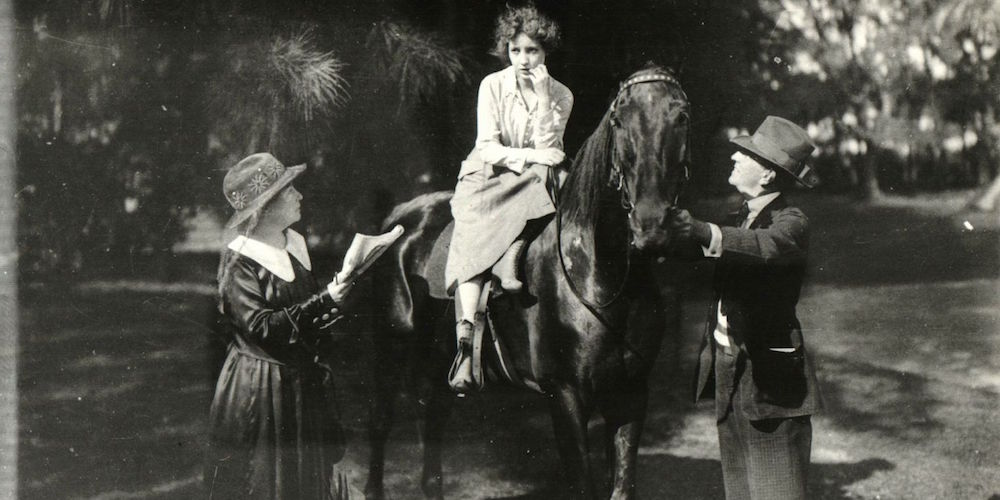
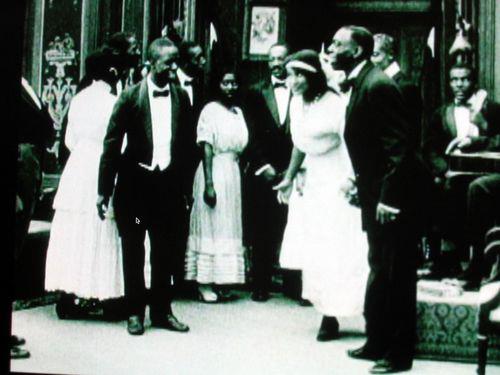
 Although French, Alice Guy-Blaché was one of the pioneers of The Western genre. Hers were distinguished by the strong women who were featured in principle roles.




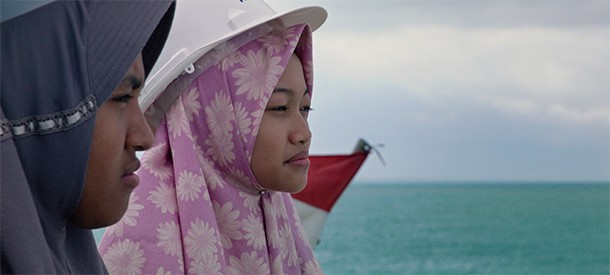
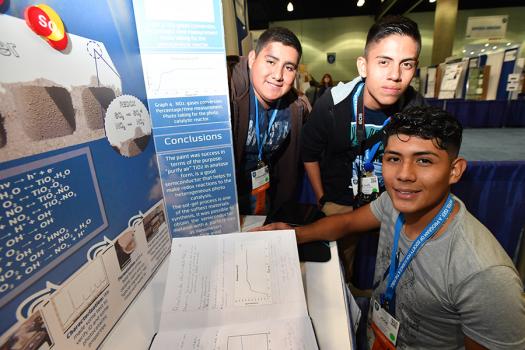
 Project ENEV063T: Bangka’s Tin Sea Sand-Fe3O4 as a Removal of Heavy Metals in By-Product of Tin Ore Processing (above): Intan Utami Putri
Shofi Latifa Nuha Anfaresi
Banka, Indonesia

 Project EAEV008 – An Innovative Crowdsourcing Approach to Monitoring Freshwater Bodies
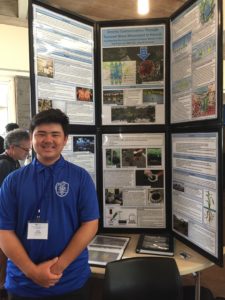
 Project EAEV018 – Arsenic Contamination through Tsunami Wave Movement in Hawaii: Investigating the Concentration of Heavy Metals in the Soil from the 1960 Hilo, Hawaii Tsunami