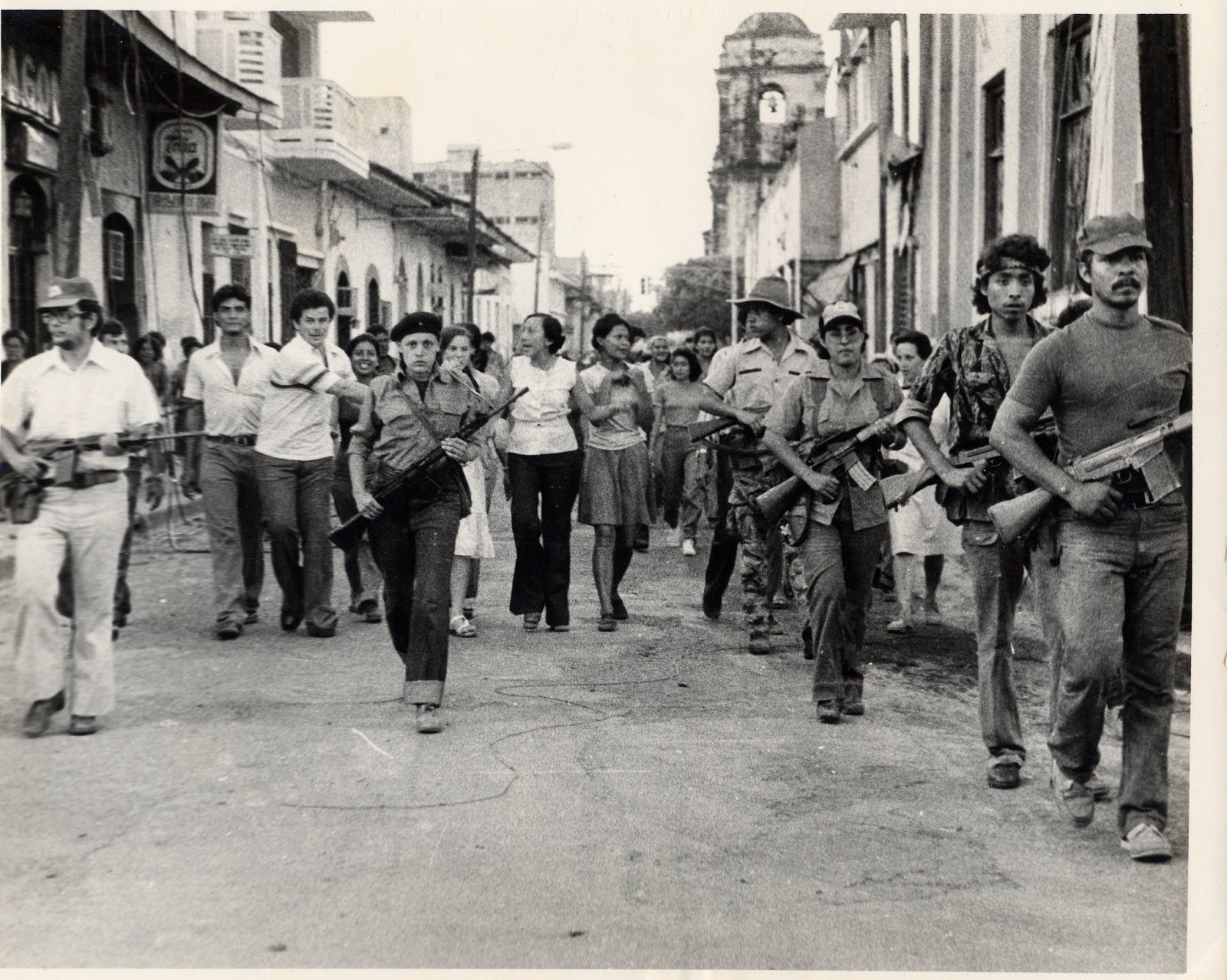
Jenny Murray’s film, ¡LAS SANDINISTAS! chronicles the crucial role of women combatants in Nicaragua’s successful revolution to overthrow the decades long dictatorship of the Somoza family.
Using stunning archival footage from the 1960s, ’70s and ’80s, and contemporary interviews with women who had survived resistance to the brutal repression, poverty, disease, economic inequality and social injustice, the film focuses on the major Sandinista General, Dora María Téllez, as well as four of her revolutionary allies. Fully 30% of the FSLN – The Nicaraguan Sandinista Liberation Front – were women.
General Dora María Téllez entering Léon after leading the assault of Nicaragua’s second largest city. It was a major turning point.
After the success of the revolution, women filled crucial ministerial roles in health and culture, achieving historic success before the Reagan administration’s blockade and backing of the Contras diverted the all-too-scarce resources needed to continue their programs. Dora María was Minister of Health from 1985 – 1990, succeeding Lea Guido.
Now, 35 years later, amidst staggering levels of gender violence in Nicaragua, and while their own stories are being erased from the history books, these same women brave the streets once again to lead the popular movements for equality and democracy.
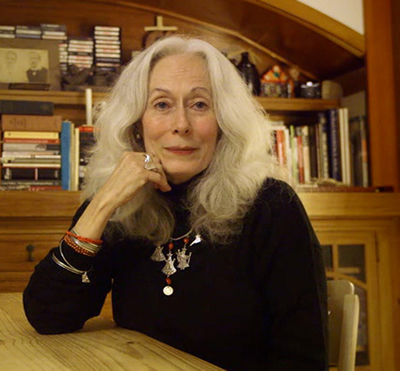
Poet, Daisy Zamorra, became Minister of Culture after serving as an FSLN combatant and the voice/program director of the clandestine Radio Sandino. In spite of her dramatic success, she was “fired” after refusing the unwanted advances of a member of The (all male, 9 member) Directorate. She is now a professor in San Francisco.
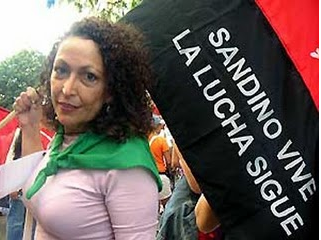
Monica Baltodano “La Jefa” was a Sandanista general, who led the crucial assault on Masaya. She worked in the movement for several decades, and after experiencing the corruption and authoritarianism, she left in 2005 to form the Movement to Reclaim Sandinismo, known as El Rescate.
Dora María Téllez founded the MRS (Sandinista Renovation Movement) for democratic reforms in 1994. The struggle continues – as do the women.
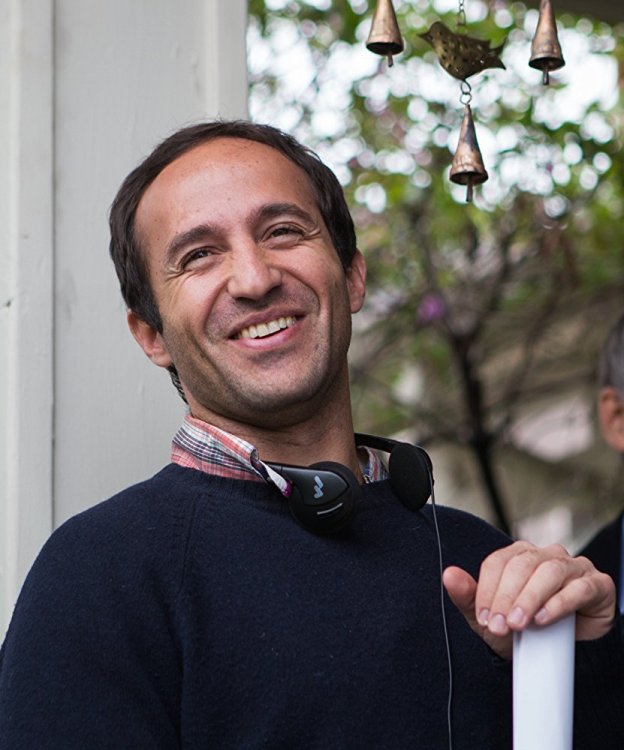
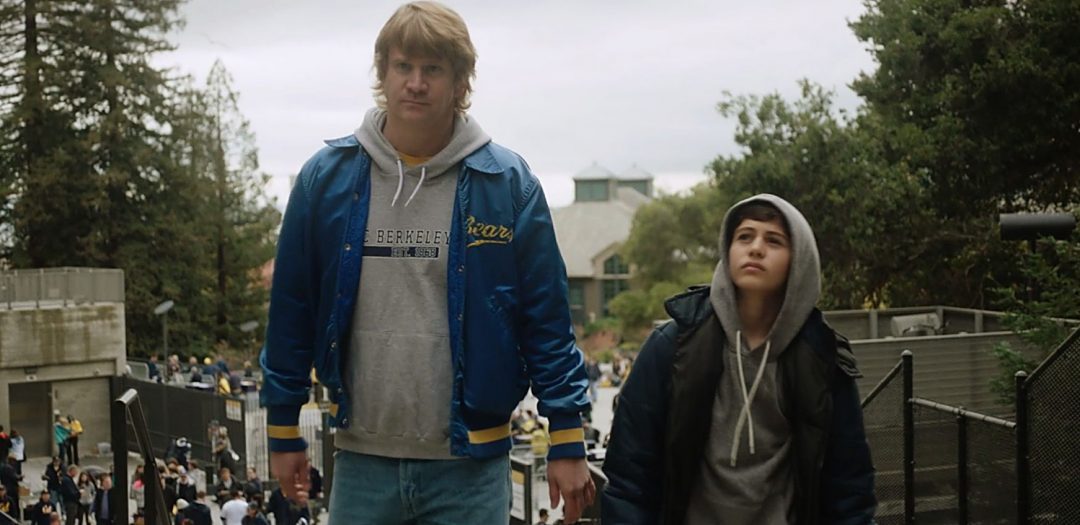
QUEST, the new film by Santiago Rizzo, is autobiographical, based on his relationship with an amazing Berkeley Willard Middle School teacher and coach, Tim Moellering, and his “PROMISES NEVER BROKEN.”
Co-written with Tim Moellering, Santiago promised him to make the movie as he died.
Tim Moellering, beloved Willard Middle School coach. After his death, Berkeley named a baseball field in his honor.
Santiago credits Tim with helping him overcome his abusive home life.
Dash Mihok plays Tim and Gregory Kasyan plays “Mills”.
Lou Diamond Phillips plays the stepfather, “Gus”. Betsy Brandt plays his mother, “Ruth”.
Lakeith Lee Stanfield plays “Diego”, Mills’ older artist friend, who paints the “Trust Your Struggle” mural above to honor him.
TIM’S TOP 10 RULES TO LIVE BY
Have empathy for everyone.
Put yourself in someone else’s skin and walk around in it.
Tell the truth.
You’ll have less to remember. You know you never lied and eventually people will trust you.
Be Reliable.
Do what you say you were going to do. Even if it means showing up on time. People will trust you.
Assume Positive Intent.
If they are incompetent, so be it, but it doesn’t hurt you to assume they are doing their best.
Be Physically Active.
It’s better than any drug. It’s fun and can be a boon to your social life. If you are running an errand, walk or ride a bike because you’ll feel better. It may not be obvious at first but it adds up.
Just do it.
If the choice is between sitting around and doing nothing or doing something, do something every single time.
Don’t blame anyone.
No one is to blame for anything. Only you can change what you do. If you blame someone else, you can’t solve the problem. Instead, you are telling someone else to solve the problem. If you don’t blame then you will be able to take control.
Your possessions can be replaced.
People are obsessed with their possessions. Letting your possessions control you is a terrible way of living. When you can let them go, you become free. There’s little relationship between wealth and happiness.
Carpe Diem.
Seize the Day. Accomplish something everyday. Otherwise you’re wasting time. There’s always something wonderful to experience. Go do it.
Solve your problems.
Some people like to have problems so they have something to complain about. Don’t waste time. It also gives you something to do. Something to strive for.
In this edition of Radio Goes to the Movies, Mark Gordon discusses how he came to make this biographical documentary of Mabel Dodge Luhan. It will be screening at the BZN International Film Festival on June 9 at the Ellen Theater at 6:15 p.m. He will be attending.
Born in Buffalo, New York, Mabel Dodge Luhan was a woman unique to her time. Her influence extended into the world of art, music, literature and activism for social change. In her late 30’s she traveled to Taos and was embraced the Taos Pueblo Indians in a way that seized the attention of the artistic and literary world.
It also the story of a great love between Mabel and Tony Luhan, with whom she organized to protect the ancestral lands and sacred sites of his people, the Tewa Indians of Taos Pueblo.
She lured progressive thinkers and artists, including D.H. Lawrence, Aldous Huxley, Willa Cather, Dorothy Brett, Ansel Adams, Georgia O’Keeffe and others to the remote town to attend her salons. Many of these visitors stayed for periods of time and several remained their entire lives. Mabel’s home and salons made an extraordinary contribution to the culture of Taos County and the State of New Mexico. She helped put Taos on the world map as a destination of distinctive beauty, a Mecca for artists.
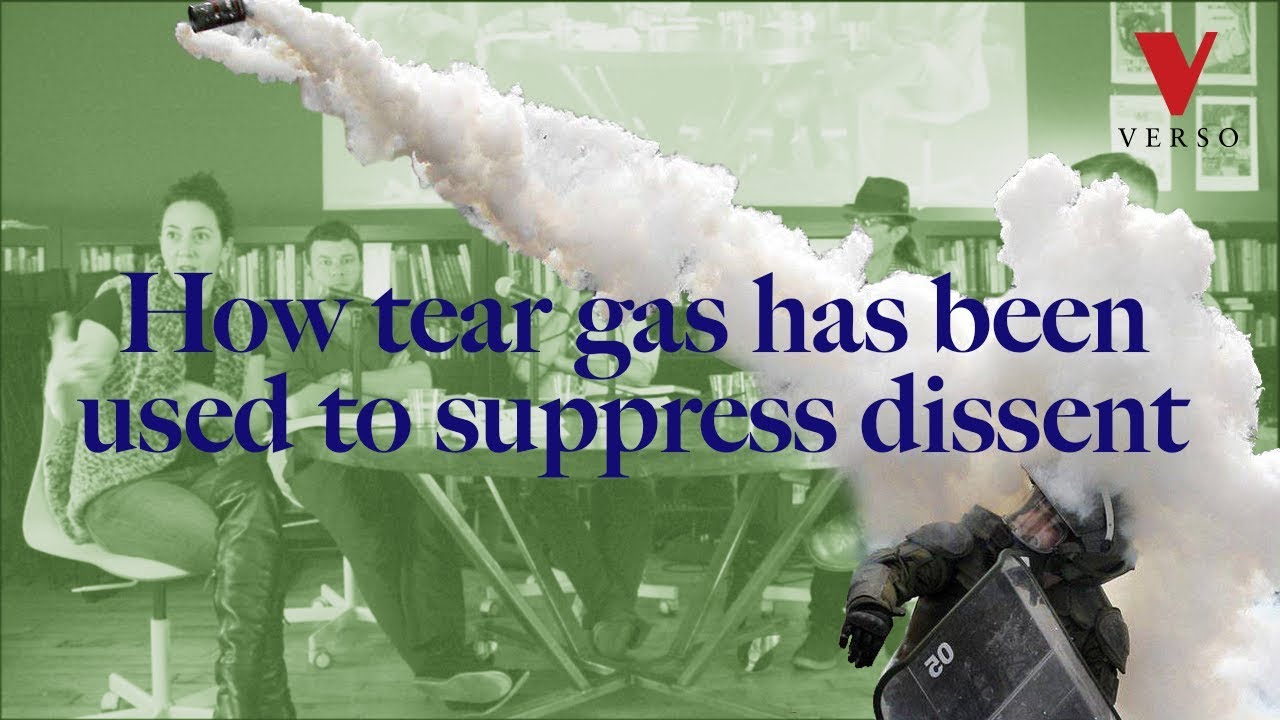
In this edition of Forthright Radio, we focus on the final clause of the First Amendment, which addresses “the right of the people peaceably to assemble, and to petition the Government for a redress of grievances.” Governments around the world have developed ways to suppress the right that right, using diverse methods, including what are euphemistically called “non-lethal” or “less than lethal” weapons. Indeed, we live in an age of “the commodification of repression,” where global industries profit on the suppression of the right of the people to petition their government.
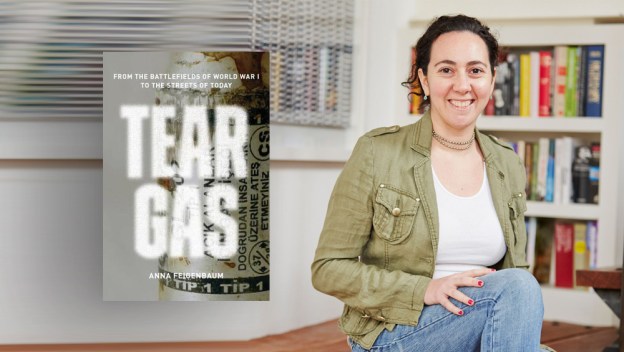
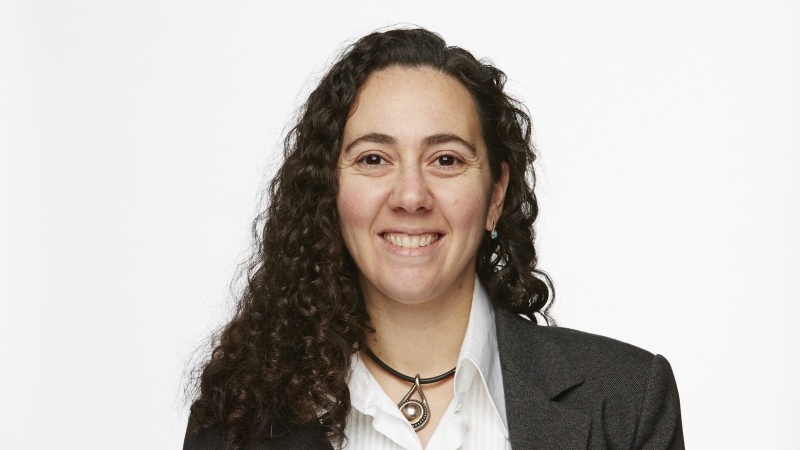
Anna Feigenbaum is currently a principal Academic in Digital Storytelling at Bournemouth University, where she teaches multimedia journalism and convenes their Civic Media Hub. In the Fall of 2017, Verso published her most recent bookTear Gas: From the Battlefields of WW1 to the Streets of Today. Funded by a Wellcome Trust Medical Humanities grant, she used archival and data storytelling methods to track the movement of tear gas from the trenches of WW1 to the streets of today, asking
‘How did it become normal to police communication with poison’?
Her earlier book, which she co-edited, is Protest camps in international context: Spaces, infrastructures and media of resistance. She has held positions at Rutgers University, the London School of Economics & Political Science, and the University of London. Her work has appeared in numerous, diverse journals from The Atlantic to The Guardian, Financial Times and Waging Nonviolence.
PIETÀ Gaza City, Gaza Strip May 14, 2018
The mother of Leila al-Ghandour, a Palestinian baby of eight months, holds her body at the morgue of al-Shifa hospital. According to the Palestinian health ministry Leila died of teargas inhalation during clashes in East Gaza the previous day
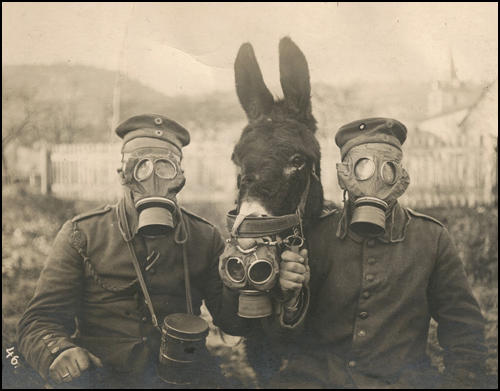
InTear Gas she chronicles the history and use of chemical weapons against civilians, documenting the lack of scientific or medical proof that they truly are non-lethal.
State troopers wear gas masks as tear gas is fired on about 600 marchers trying to cross the Edmund Pettus Bridge in Selma, AL. They had begun a 50 mile march to the state capital, Montgomery, to protest discriminatory practices preventing black people from voting. State troopers used brutal force to push them back on what became known as “Bloody Sunday”. Charles Moore via Steven Kasher Gallery
Police surround an incapacitated man after throwing tear gas into the crowd of protesters, 1968, Kansas City, Mo. Credit Western Historical Manuscript Collection
Photographer Nacio Jan Brown captured a moment that shocked many: a National Guard helicopter spraying tear gas on students and antiwar protesters in Sproul Plaza on May 20, 1969 — in some sense extending “the front” from Vietnam onto college campuses. The juxtaposition of the military-grade helicopter with the Campanile — the unofficial symbol of the UC Berkeley campus — helped make this photograph an iconic image of the suppression of campus protest. The demonstrators had gathered to commemorate the death of James Rector, who had been shot by police while on the rooftop of Granma Books on May 15, during a protest over the disposition of People’s Park.
“The woman in red” shows Ceyda Sungur, an academic at Istanbul’s university, who stood defiantly in Taksim Square, centre of the uprising that has swept across the capital and beyond.
Two street stencils on walls in Istanbul Inspired by the protests in Taksim Gezi Park, Istanbul, the summer of 2013, when CNN Turkey aired a penguin documentary, while CNN International ran live coverage of the protests.
Ramadan Thawabteh, eight-months-old, died from asphyxiation after inhaling tear gas, fired by the Israeli army, that entered the house of his family. It was not immediately clear if a tear gas grenade had entered the house in the city of Bethlehem or if the gas had seeped in from outside. https://www.yahoo.com/news/palestinian-baby-dies-tear-gas-fired-israeli-army-165944094.html
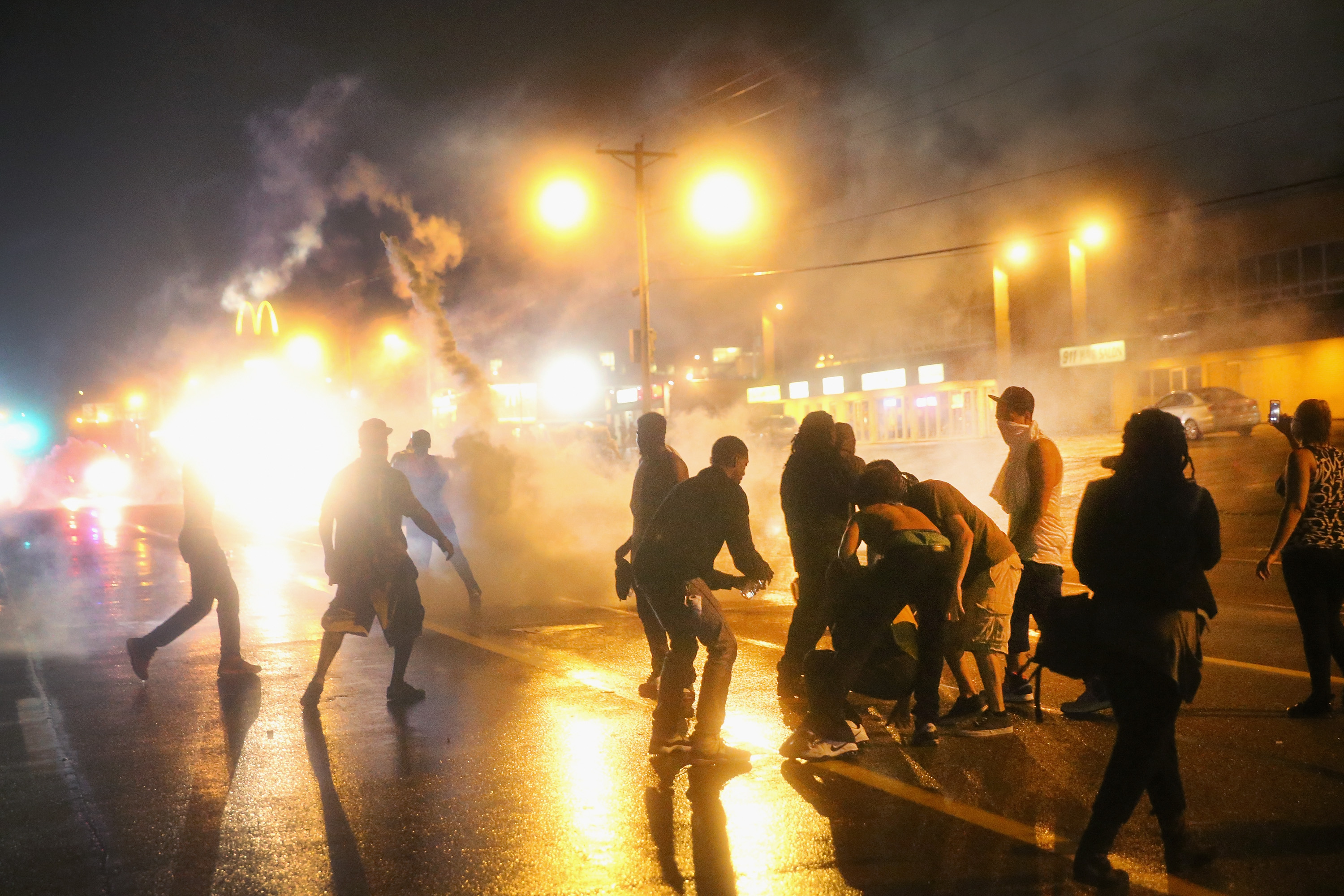
Police fire tear gas at demonstrators protesting the shooting of Michael Brown on August 17, 2014 in Ferguson, Missouri. Scott Olson / Getty
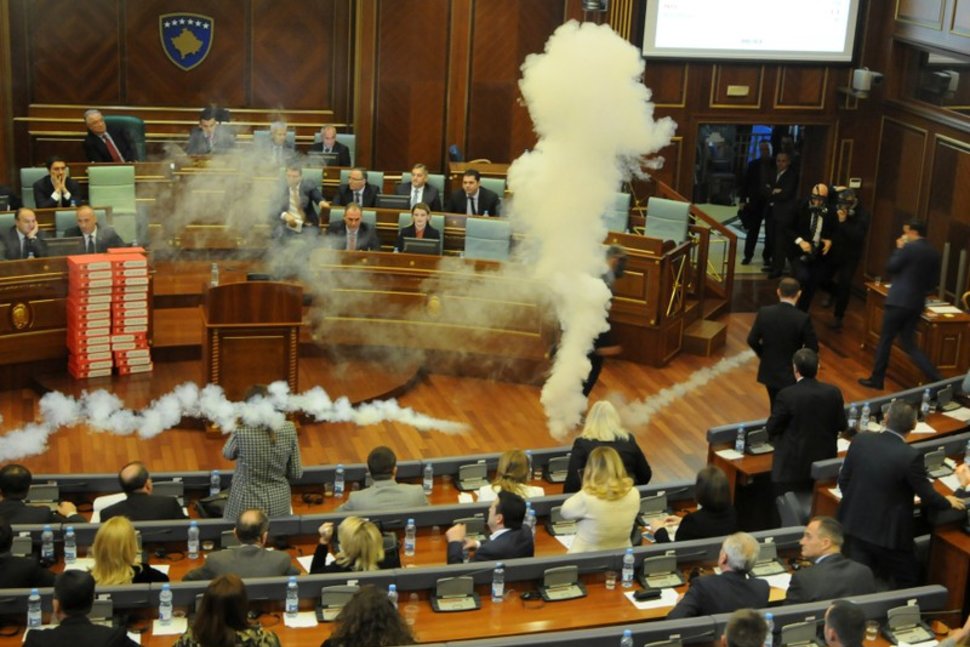
Kosovo opposition politicians release tear gas in parliament to obstruct a session in Pristina, Kosovo March 21, 2018. REUTERS/Laura HasaniReuters
Sites of protest and political contention are often shaped by ‘other media’. Anna Feigenbaum looks beyond taken-for-granted media devices and practices and returns to the foundational roots of Communication Theory’s ‘the medium and the message’. In addition to smartphones, Facebook pages, political posters and live-streaming laptops, communication involves all kinds of other technologies. Such “other media” objects include the fences, walls, and barricades, that become sites of and for communication. This ‘other media’ also includes ‘container technologies’ like shoeboxes or sound grenades, which function as storage devices, as well as re-crafted objects that become transformed through practices of disobedient design.
#teargasID The Riot ID Project
Who are the World’s Heaviest Tear Gas Users? Our 2015 Mapping the Media project on Tear Gas is now live! Check out the maps on our BU Civic Media Hub website.
Anna Feigenbaum, author of Tear Gas: From the Battlefields of WWI to the Streets of Today, in conversation with L.A. Kauffman, Mark Bray, Ali Issa, and Ajay Singh Chaudhary. At Verso Books in Brooklyn, November 8, 2017.
The profitable marriage of military and police techWar technologies aren’t just adopted by domestic law enforcement; they’re created with policing in mind
The National Guard protects Ferguson’s police, not its peopleBacking a militarized police force with civilian soldiers makes a mockery of the right to protest
This weekend, a one-stop-shop to militarize your town
Seven years to the day, after the nuclear disaster at the Fukushima Daichi plant in Japan, on March 11, 2011, French President, Emmanuel Macron, visited India to seal a deal to sell what at least 2 international groups are calling, “untested, expensive and technically troubled French EPR reactors”.
We speak with Kevin Kamps, a staff member of one of those groups, Beyond Nuclear (http://www.beyondnuclear.org/). We update the national and international situation regarding all things nuclear.
What about the sailors of the USS Ronald Reagan, who were exposed to radiation while engaged in Operation Tomodachi, the humanitarian relief effort responding to the aftermath of the Fukushima disaster? Some of the 4500 sailors have already died. Many more are suffering from radiation specific illnesses. What happened to them, and the lawsuits survivors have brought in the United States against reactor owner/operator, TEPCO? How about Trump administration revisions to the Nuclear Posture Review, expanding first use of nukes, or efforts to prioritize reviving and expanding nuclear power generation in the United States, not to mention efforts by Secretary of Energy, Rick Perry, to sell Westinghouse nuclear reactors to Saudi Arabia? What about the unsolved – and many believe unsolvable – problem of safe disposal of ensuing radioactive waste products?
Kevin Kamps is a longtime leading opponent of government and industry efforts to dump nuclear waste at Yucca Mountain, Nevada. He is an expert about the risks of radioactive waste generation and storage at reactor sites, as well as transportation through communities across our country. In addition, he focuses on eliminating federal subsidies for new reactors and reprocessing facilities. Kevin Kamps has traveled to Chernobyl in the Ukraine. He founded a Michigan chapter of the international Chernobyl Children’s Project, which brings child victims of the Chernobyl nuclear disaster to the United States for medical help. He has addressed communities in the US & overseas, as well as governmental forums & federal, state and local government agencies.
Rows of trash bags containing radioactive waste from the Fukushima nuclear disaster now litter the area. (courtesy beyondnuclear.org)
Some of the articles cited in today’s interview can be found here:
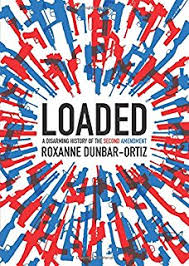
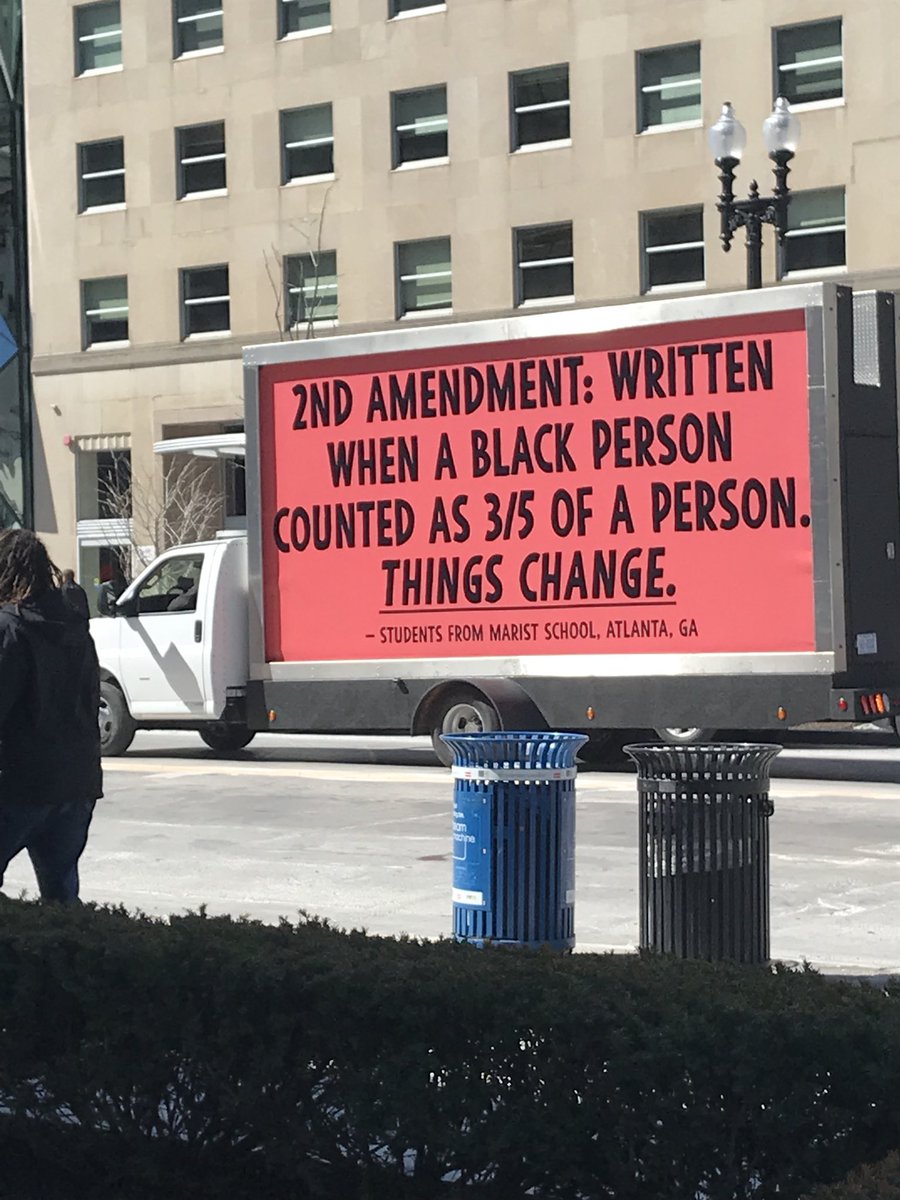
LOADED: A DISARMING HISTORY OF THE SECOND AMENDMENT (City Lights Publishing) – is a provocative, timely, and deeply researched history of gun culture, and how it reflects race and power in the United States. Although LOADED is highly topical as we broadcast because of the Valentine’s Day massacre at Marjory Stoneman Douglas High School, production of this show actually began last November, 2017. And in case you feel overloaded with coverage of the aftermath of this latest massacre, Professor Dunbar-Ortiz’s history of gun culture and the second amendment is very different from the approach taken by the mainstream media or academia. For one thing, it is rooted in her 50+ years of activism. In the 1960s and 1970s, she was active in the anti-Vietnam War Movement and radical left movements, and worked closely with the SDS, the Weather Underground, and the African National Congress. She was also very active in the women’s rights movement, and from 1968–1970 was a leading figure in the radical feminist group, Cell 16. She has been active in the international Indigenous movement for more than four decades, and is known for her lifelong commitment to national and international social justice issues. In 1974, she began teaching in the newly established Native American Studies Program at California State University – Hayward, and she helped found their Departments of Ethnic Studies and Women’s Studies, where she is now Professor Emerita.
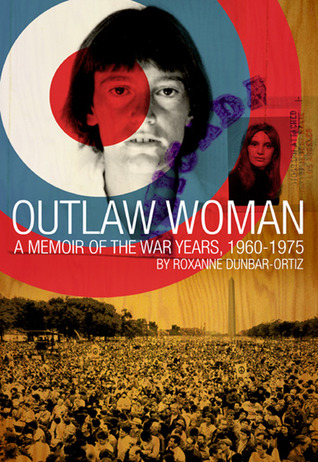
She has published many books and articles, including Outlaw Woman: A Memoir of the War Years, 1960–1975 . Blood on the Border is about what she saw during the Nicaraguan Contra war against the Sandinistas in the 1980s. Her 2014 book, AN INDIGENOUS PEOPLES’ HISTORY OF THE UNITED STATES, radically reframes Eurocentric history.
Her 1977 book, The Great Sioux Nation, was the fundamental document at the first international conference on Indigenous Peoples of the Americas, held at the United Nations’ headquarters in Geneva.
We are also thankful to the ever magnificent Roy Zimmerman for permission to include his “SING ALONG SECOND AMENDMENT SONG” after our interview with Professor Dunbar-Ortiz. You can hear more of his pointed, pithy civic lessons here: http://www.royzimmerman.com/
or see him perform the Sing Along 2nd Amendment song here:
We welcome back Pulitzer Prize Winning investigative journalist and best-selling author, David Cay Johnston. In this interview recorded on January 26, 2018, we discuss his latest books, IT’S WORSE THAN YOU THINK: WHAT THE TRUMP ADMINISTRATION IS DOING TO AMERICA, just out from Simon & Schuster, and THE MAKING OF DONALD TRUMP, published in 2016 by Melville House.
David Cay Johnston digs deep, gets the facts others evade, ignore or fail to look for – much less find – and exposes exactly how the American system is rigged in favor of the 1% of the 1%.
When he was 18 years old the San Jose Mercury recruited him. His investigations over the next four decades appeared in that paper, The New York Times & other national journals. He exposed LAPD political spying and brutality, and he once hunted down a killer, whom the Los Angeles County Sheriff’s Department had failed to catch, resulting in an innocent man winning acquittal at his fifth trial; revealed news blackouts and manipulations that forced a six-station broadcast chain off the air; deconstructed the way foreign agents from South Africa and Taiwan secretly influenced American government policy; misuse of charitable funds at United Way; and explained the economics of former GE chairman Jack Welch’s retirement perks, prompting Welch to relinquish them.
He teaches business regulation, property and tax law at Syracuse University’s law and graduate business schools.
We last had him on Forthright Radio in 2012, when the 3rd book in his trilogy on the American Economy – The Fine Print: How Big Companies Use “Plain English” to Rob You Blind, which focused on monopolies, had just been published.
We also revisit a segment from this 2012 interview with David Cay Johnston, in which he explicitly states that PG&E’s failure to properly maintain & replace power poles would lead to deadly wildfires, a prediction that came all too tragically true in October 2017.
The full interview from 10-31-12 is posted below this interview:
The other two books were – Perfectly Legal: The Covert Campaign to Rig Our Tax System to Benefit the Super Rich — and Cheat Everybody Else (2004 Investigative Book of the Year award winner), and Free Lunch: How the Wealthiest Americans Enrich Themselves at Government Expense (and Stick You With the Bill), both of which were New York Times and Wall Street Journal best sellers.
After our most recent interview with Pulitzer Prize winning, New York Times & Wall Street Journal best selling investigative journalist, David Cay Johnston, about his latest books, IT’S WORSE THAN YOU THINK: WHAT THE TRUMP ADMINISTRATION IS DOING TO AMERICA, & THE MAKING OF DONALD TRUMP, in which we aired a segment from this interview originally broadcast on Oct. 31, 2012, we decided to make the full interview available.
In that segment, he explicitly stated that PG&E’s failure to properly maintain & replace power poles would lead to deadly wildfires, a prediction that came all too tragically true in October 2017.
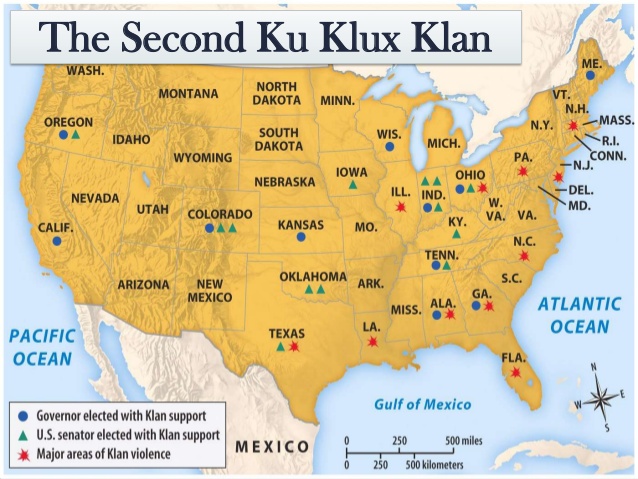
Linda Gordon is Florence Kelley professor of history and Professor of the Humanities at New York University. Her early books focused on the historical roots of social policy issues, particularly as they concern gender and family issues. Her first book, Woman’s Body, Woman’s Right: The History of Birth Control in America, published in 1976 and reissued in 1990, remains the definitive history of birth-control politics in the US. It was completely revised and re-published as The Moral Property of Women in 2002. More recently, she has explored other ways of presenting history to a broad audience, publishing the microhistory The Great Arizona Orphan Abduction and the biography Dorothea Lange: A Life beyond Limits, both of which won the Bancroft Prize. She is one of only three historians to have ever won this award twice.After being disbanded in 1870 following the Civil War, the Ku Klux Klan was officially re-formed in 1915 by founder William J. Simmons, and saw a huge rise in popularity in its early years. Pictured, an eerie sight as hundreds of members gather adorned with hoodsFocused on an anti-immigrant, anti-Catholic, prohibitionist and anti-Semitic agenda, the new Klan took much of its early influence from popular 1915 film, the Birth of a Nation, which glorified the first version of the Klan. In this image, the streets of Washington are filled with 25,000 KKK members during a march in August 1925.Despite attempting to portray themselves as a respectable establishment who ‘upheld law and order,’ the Klan’s activities were often coupled with widespread violence.
The Ku Klux Klan (KKK) and Woman’s Christian Temperance Union (WCTU) shared a common interest in promoting and defending alcohol prohibition, women’s suffrage, Protestantism, and the protection of domesticity. They also both shared hostility toward immigrants. For this reason, the two groups cooperated with each other and shared many members and leaders.
A whole family can be seen taking part in a racist parade including three young children wearing KKK robes .
The drum corps of the Dallas Women’s KKK poses in front of Union Station around 1930. The Dallas Klan No. 66 at one time was the largest KKK chapter in the nation. (Photos courtesy of the Library of Congress and
the DeGolyer Library, Southern Methodist University)
Amidst the backdrop of a post-war recession across America, the Klan proved hugely popular during the period, not just in its membership but in its support from every day Americans, too.
They also wielded significant political power, moving their offices to Washington D.C. in the mid-1920s and reportedly playing a big role in the election of several Congressman and Senators across the country. However toward the end of the decade the Klan’s influence began to wane substantially. One of the group’s leading members, the Grand Wizard, was convicted of murder in a trial which revealed many at the top of the organization as womanizers and alcoholics, shattering their image as the upholders of law and order.
“…The civic leaders posing with Powell and Gifford in the photograph, from left to right, are: H.P. Coffin of the National Safety Council; Captain of Police John T. Moore; Chief of Police L.V. Jenkins; District Attorney W.H. Evans; U.S. District Attorney Lester W. Humphreys; T.M. Hurlburt, a sheriff; special agent of the U.S. Department of Justice Russell Bryon; Mayor George L. Baker; and P.S. Malcolm, the sovereign inspector general in Oregon for the Scottish Rite Masonic Lodge.
This photograph makes clear how comfortable KKK leaders were in the public spotlight in the early 1920s—despite their supposed anonymity—and how indulged they were by many civic governments, at least for a short time. That night Powell announced, “There are some cases, of course, in which we will have to take everything in our hands. Some crimes are not punishable under existing laws, but the criminals should be punished.” He did not elaborate, but the implication was clear: the KKK felt entitled to act outside the law. In a room full of enforcers of the law, Powell and Gifford spoke freely without fear of prosecution.
Klan membership in Oregon grew starting in 1921, with chapters springing up throughout the state. Its brief popularity stemmed, in part, from a general racism against minorities (particularly Chinese and Japanese), anti-Catholicism, and a belief in the enforcement of social morality. Gifford successfully lobbied for anti-Catholic legislation in Oregon during his term as Grand Dragon. The political effectiveness of KKK chapters was due in large part to the relationships its leaders formed with the state’s policy makers, law enforcers, and fraternal organizations…”
“In a ravenous 55 day spasm during the summer of 1898, the United States asserted control over 5 far-flung lands with a total of 11 million inhabitants: Guam, Hawaii, Cuba, the Philippines and Puerto Rico. Never in history has a nation leaped so suddenly overseas empire.” Doing so was by no means a matter of political consensus. In fact at several steps on the way, a single individual or vote determined events, leading to the deaths of thousands. The questions that arose then, continue to arise to this day.
“How should the United States act in the world? Americans cannot decide. For more than a century we have debated with ourselves. We can’t even agree on the question. Put one way: Should we defend our freedom, or turn inward and ignore growing threats? Put differently: Should we charge violently into faraway lands, or allow others to work out their own destinies?” And how did a country which had been founded through rebellion against a distant sovereign, which had once been a colony itself, and had pledged itself, above all, to the ideal of self-government, turn to taking colonies of its own – and most certainly NOT with the consent of the governed? These are some of the questions, our guest today, Pulitzer Prize winning journalist, Stephen Kinzer, addresses in his latest book, THE TRUE FLAG: THEODORE ROOSEVELT, MARK TWAIN, AND THE BIRTH OF AMERICAN EMPIRE. This is not merely an exercise in ivory tower history, because the United States – and, in fact, the world – is still paying today for the arguments, decisions and methods made by those debating these questions in the era of Theodore Roosevelt. Central America, the Middle East, The far east, terrorism, immigration, indigenous efforts for democracy – all these conflicts – and more – can find origins in a very short period of time at the turn of the 19th & the 20th centuries.
Stephen Kinzer has covered more than 50 countries on 5 continents. From 1983 to 1989 He was the New York Times bureau chief in Nicaragua, where he covered war and upheaval in Central America. He wrote 2 books about that region, BITTER FRUIT: THE UNTOLD STORY OF THE AMERICAN COUP IN GUATEMALA (co-written with Stephen Schlesinger), and BLOOD OF BROTHERS: LIFE AND WAR IN NICARAGUA. He was the New York Times bureau chief in Bonn, & then Berlin, Germany from 1990 -96, where he covered the emergence of post-Communist Europe, including the wars in the former Yugoslavia. Then, he opened their bureau in Istanbul, Turkey, where he covered that country and the new nations of Central Asia & the Caucasus. HIS BOOK, CRESCENT AND STAR: TURKEY BETWEEN TWO WORLDS, was born of that experience. After several trips to Iran, he wrote ALL THE SHAH’S MEN: AN AMERICAN COUP AND THE ROOTS OF MIDDLE EAST TERROR and RESET: IRAN, TURKEY AND AMERICA’S FUTURE. His latest book is THE TRUE FLAG: THEODORE ROOSEVELT, MARK TWAIN, AND THE BIRTH OF AMERICAN EMPIRE, published last year by Henry Holt. The paperback edition is coming out in two weeks from St. Martin’s/Griffin. It adds to his earlier book, OVERTHROW: AMERICA’S CENTURY OF REGIME CHANGE FROM HAWAII TO IRAQ, which documents 14 times the United States has overthrown foreign governments, and examines just what is it in the American psyche, that allows – and compels – the world’s first nation to throw off colonial rule and proclaim self government as a self-evident divine right to suppress similar aspirations in lands over seas.
Col. Theodore Roosevelt
Grandson of Theodore Roosevelt, Kermit Roosevelt, Jr. orchestrated the CIA’s “Operation Ajax”, which aimed to overthrow democratically elected Iranian Prime Minister, Mohammad Mossadegh in 1953, who had been Time magazine’s Man of the Year in 1951:
A CIA hired mob – who beat all Mossadeq supporters to a pulp….
“This coup did more than simply bring down Mossadegh. It ended democratic rule in Iran and set the country off toward distatoship. Mohammad Reza Shah gave the U. S. a quarter century of dominance in Iran, but his repression ultimately set off an uprising that produced a fanatically anti-American regime.” from Kinzer’s RESET: IRAN, TURKEY & AMERICA’S FUTURE.
Mohammad Reza Shah and family before the Peacock Throne


 Using stunning archival footage from the 1960s, ’70s and ’80s, and contemporary interviews with women who had survived resistance to the brutal repression, poverty, disease, economic inequality and social injustice, the film focuses on the major Sandinista General, Dora María Téllez, as well as four of her revolutionary allies. Fully 30% of the FSLN – The Nicaraguan Sandinista Liberation Front – were women.












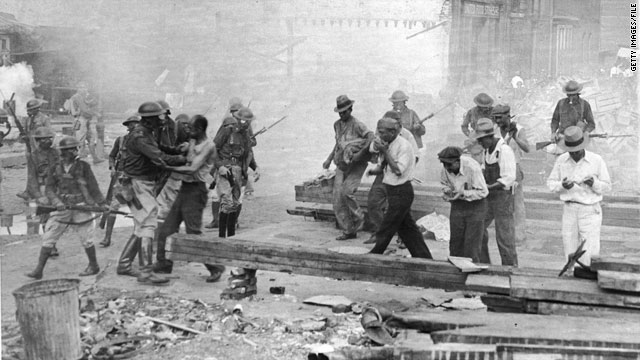

 State troopers wear gas masks as tear gas is fired on about 600 marchers trying to cross the Edmund Pettus Bridge in Selma, AL. They had begun a 50 mile march to the state capital, Montgomery, to protest discriminatory practices preventing black people from voting. State troopers used brutal force to push them back on what became known as “Bloody Sunday”. Charles Moore via Steven Kasher Gallery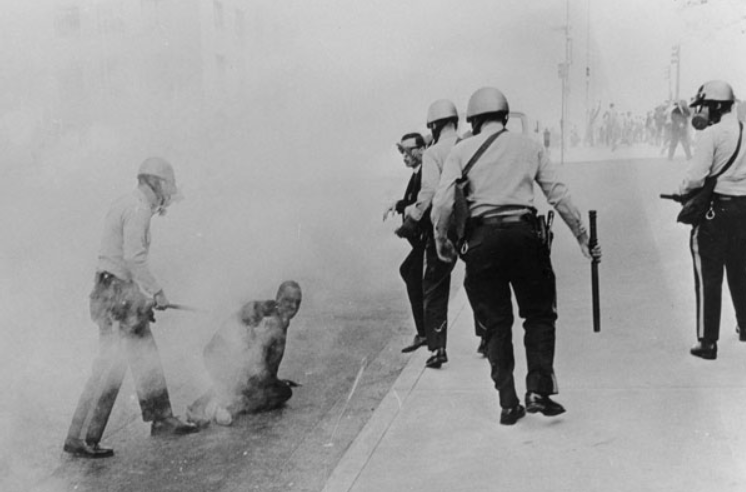




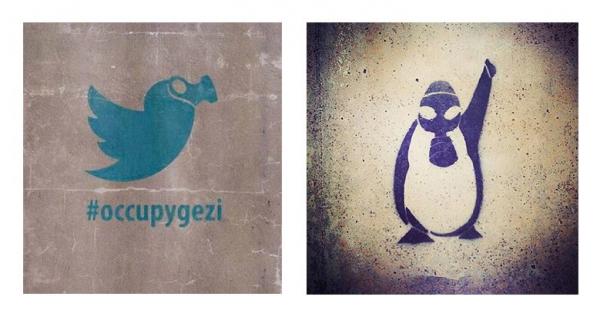 Two street stencils on walls in Istanbul Inspired by the protests in Taksim Gezi Park, Istanbul, the summer of 2013, when CNN Turkey aired a penguin documentary, while CNN International ran live coverage of the protests.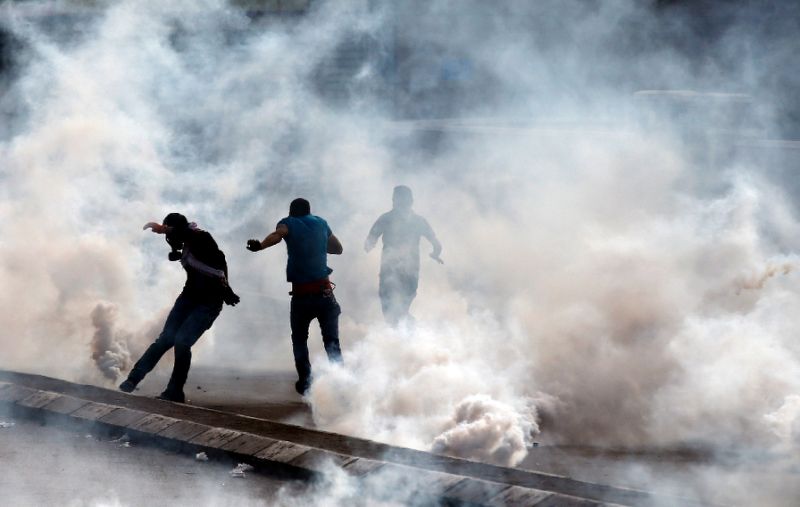




 Rows of trash bags containing radioactive waste from the Fukushima nuclear disaster now litter the area. (courtesy beyondnuclear.org)


 We are also thankful to the ever magnificent Roy Zimmerman for permission to include his “SING ALONG SECOND AMENDMENT SONG” after our interview with Professor Dunbar-Ortiz. You can hear more of his pointed, pithy civic lessons here:
 When he was 18 years old the San Jose Mercury recruited him. His investigations over the next four decades appeared in that paper, The New York Times & other national journals. He exposed LAPD political spying and brutality, and he once hunted down a killer, whom the Los Angeles County Sheriff’s Department had failed to catch, resulting in an innocent man winning acquittal at his fifth trial; revealed news blackouts and manipulations that forced a six-station broadcast chain off the air; deconstructed the way foreign agents from South Africa and Taiwan secretly influenced American government policy; misuse of charitable funds at United Way; and explained the economics of former GE chairman Jack Welch’s retirement perks, prompting Welch to relinquish them.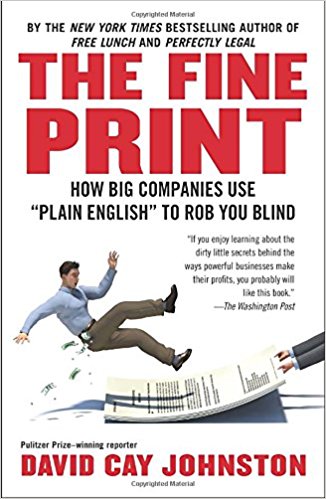
 The other two books were –


 Linda Gordon is Florence Kelley professor of history and Professor of the Humanities at New York University. Her early books focused on the historical roots of social policy issues, particularly as they concern gender and family issues. Her first book, Woman’s Body, Woman’s Right: The History of Birth Control in America, published in 1976 and reissued in 1990, remains the definitive history of birth-control politics in the US. It was completely revised and re-published as The Moral Property of Women in 2002. More recently, she has explored other ways of presenting history to a broad audience, publishing the microhistory The Great Arizona Orphan Abduction and the biography Dorothea Lange: A Life beyond Limits, both of which won the Bancroft Prize. She is one of only three historians to have ever won this award twice.
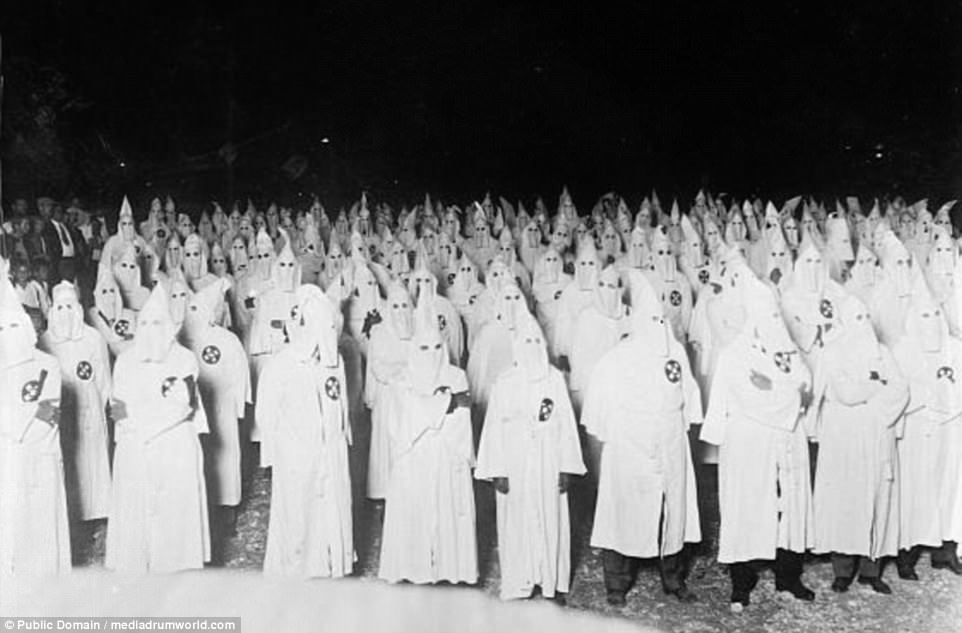 After being disbanded in 1870 following the Civil War, the Ku Klux Klan was officially re-formed in 1915 by founder William J. Simmons, and saw a huge rise in popularity in its early years. Pictured, an eerie sight as hundreds of members gather adorned with hoods
 Focused on an anti-immigrant, anti-Catholic, prohibitionist and anti-Semitic agenda, the new Klan took much of its early influence from popular 1915 film, the Birth of a Nation, which glorified the first version of the Klan. In this image, the streets of Washington are filled with 25,000 KKK members during a march in August 1925.
 Despite attempting to portray themselves as a respectable establishment who ‘upheld law and order,’ the Klan’s activities were often coupled with widespread violence.
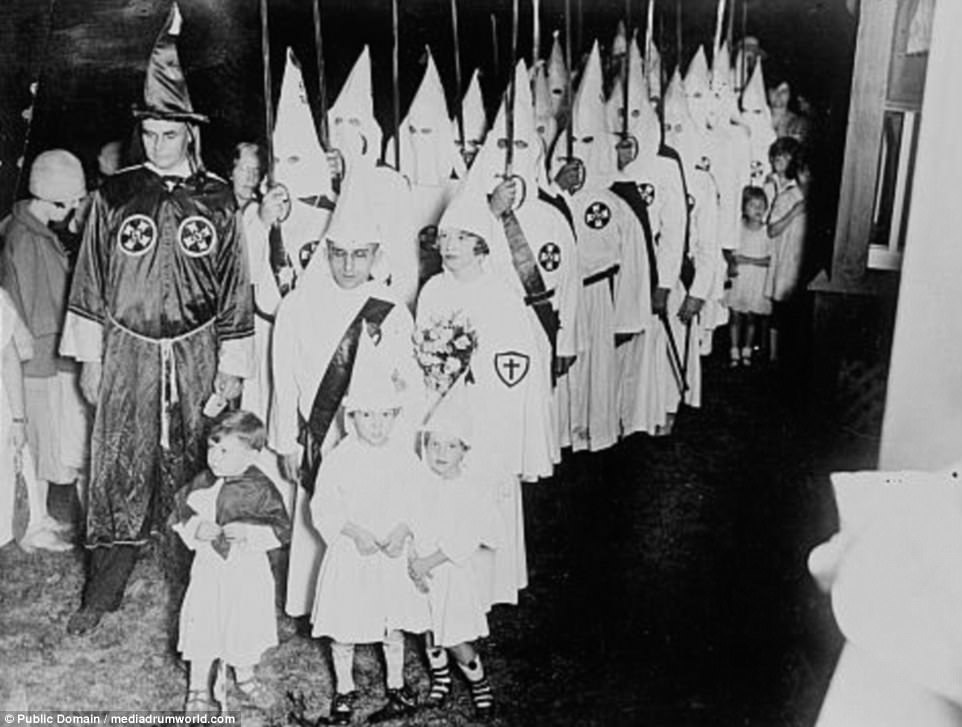 A whole family can be seen taking part in a racist parade including three young children wearing KKK robes .
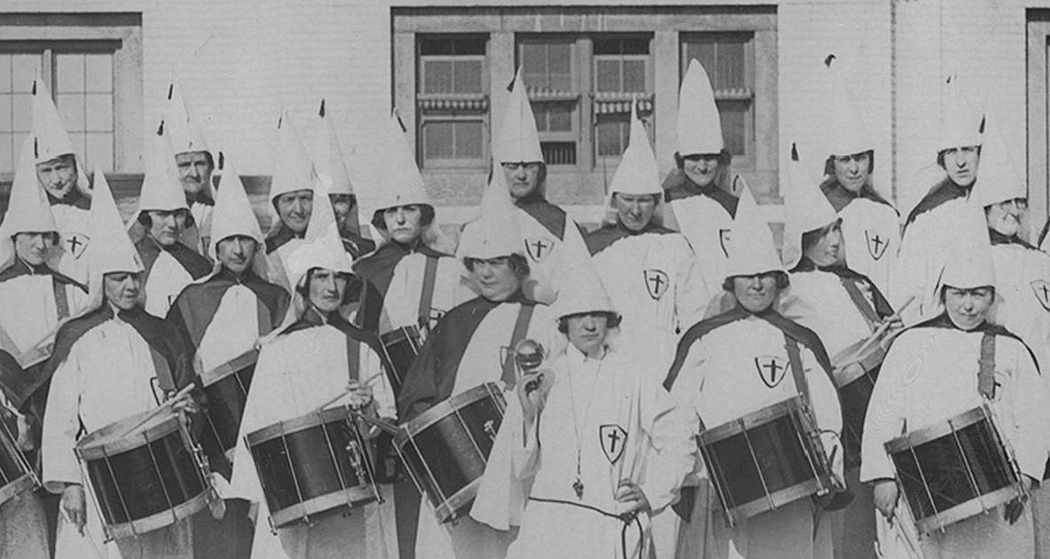 The drum corps of the Dallas Women’s KKK poses in front of Union Station around 1930. The Dallas Klan No. 66 at one time was the largest KKK chapter in the nation. (Photos courtesy of the Library of Congress and
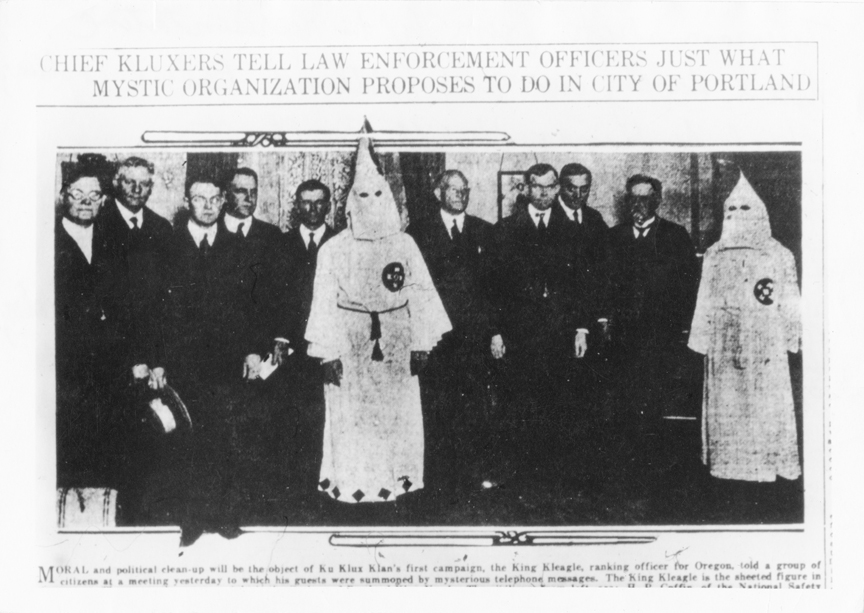 “…The civic leaders posing with Powell and Gifford in the photograph, from left to right, are: H.P. Coffin of the National Safety Council; Captain of Police John T. Moore; Chief of Police L.V. Jenkins; District Attorney W.H. Evans; U.S. District Attorney Lester W. Humphreys; T.M. Hurlburt, a sheriff; special agent of the U.S. Department of Justice Russell Bryon;
 “In a ravenous 55 day spasm during the summer of 1898, the United States asserted control over 5 far-flung lands with a total of 11 million inhabitants: Guam, Hawaii, Cuba, the Philippines and Puerto Rico. Never in history has a nation leaped so suddenly overseas empire.” Doing so was by no means a matter of political consensus. In fact at several steps on the way, a single individual or vote determined events, leading to the deaths of thousands. The questions that arose then, continue to arise to this day.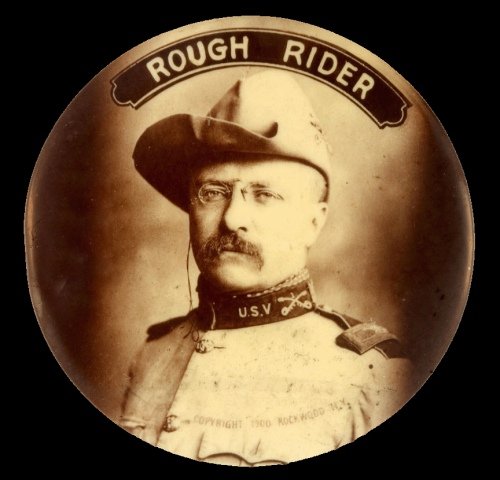

 Grandson of Theodore Roosevelt, Kermit Roosevelt, Jr. orchestrated the CIA’s “Operation Ajax”, which aimed to overthrow democratically elected Iranian Prime Minister, Mohammad Mossadegh in 1953, who had been Time magazine’s Man of the Year in 1951:


 Forthright Radio