In the first half hour, our guest is Gretchen Goldman, of the Union of Concerned Scientists. In the second half hour our guest is Kathleen Rogers, president of Earth Day Network.
Ordinarily, I don’t organize Forthright Radio shows around declared months or day. Every month is African History Month or Poetry Month. Every day is international women’s day or Earth Day, but this year is distinctly different from any I can remember. Our species, Homo Sapiens, which is the Latin for wise man, is acting with disastrous lack of wisdom, and the biological & geological evidence of ongoing disaster is mounting as we speed willy-nilly into the anthropocene. But even as the forces of greed and ignorance accelerate their efforts wreaking environmental chaos and destruction, those who see this folly are rising and resisting to protect the biosphere. One of them is our first guest, Gretchen Goldman.
Gretchen Goldman is the research director for the Center for Science and Democracy at the Union of Concerned Scientists. Dr. Goldman leads research efforts on the role of science in public policy, focusing on topics ranging from scientific integrity in government decision-making, to political interference in science-based standards on hydraulic fracturing, climate change, sugar, and chemicals.
Before joining the Union of Concerned Scientists, Dr. Goldman was at the Georgia Institute of Technology, where she was a postdoctoral research fellow working on statistical modeling of urban air pollution for use in epidemiologic studies of acute human health effects.
Kathleen Rogers, president of Earth Day Network, has worked for more than 20 years as an environmental attorney and advocate, focusing on international and domestic environmental public policy and law. Under her leadership, Earth Day Network has developed a significant role in advancing the new green economy and has emerged as a dynamic year-round policy and activist organization. Earth Day Network now reaches into 192 countries, embraces new constituencies — including youngsters and people of color — and integrates civic participation into each of Earth Day Network’s programs and activities.

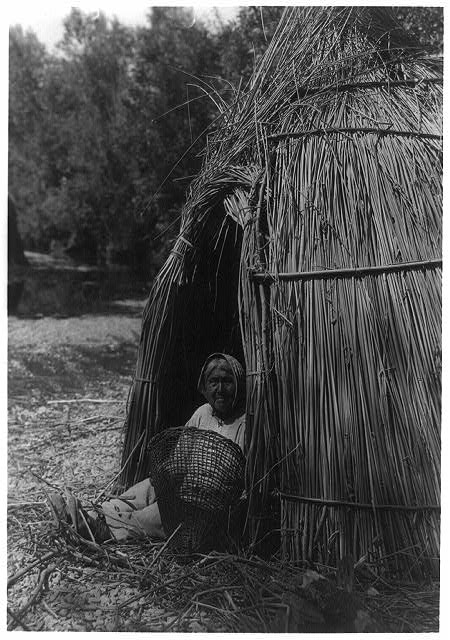
 The place we now call CA, was unknown to non-Indians until March 1543, when Spaniards first explored the coast, but it wasn’t until 226 years later, in 1769, that Spain sent soldiers and Franciscan missionaries north from Mexico to colonize it, to preempt British, Dutch and Russian expansion, and to protect northern Mexico’s silver mines. At that time, there were about 310,000 native people living there, which seems small compared to California’s current population of almost 40 million, but he writes that it was actually the densest native population north of Mexico in North America. We began by discussing this pre-European CA population, and how they lived on the land.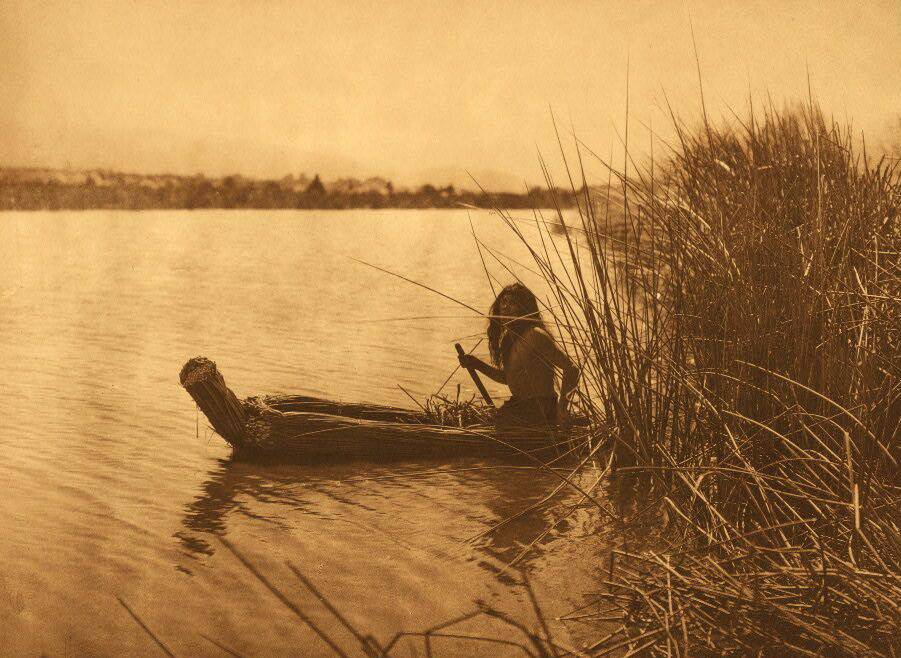
 The Mendocino Indian Reservation was discontinued in March 1866 and the land opened for settlement 3 years later.


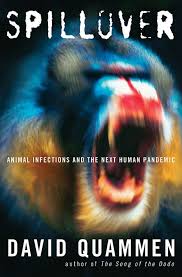
 Among the questions he investigates are: Why do new diseases emerge when they do, where they do, as they do, and not elsewhere, other ways, at other times? Is it happening more now than in the past? And perhaps the biggest question: What sort of deadly bug, with what unforeseen origins and what inexorable impacts, will emerge next?