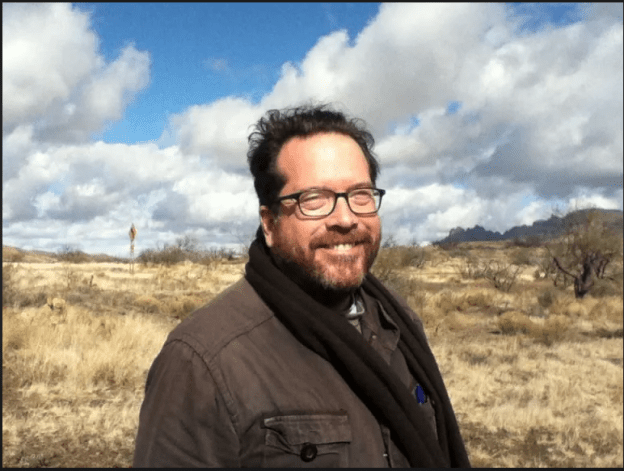
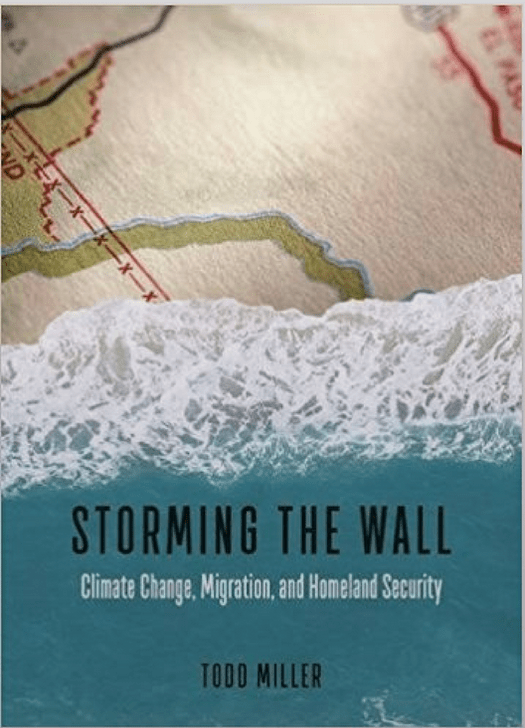
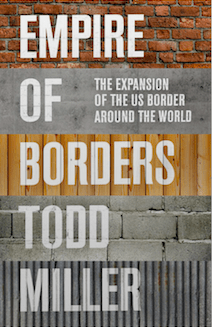
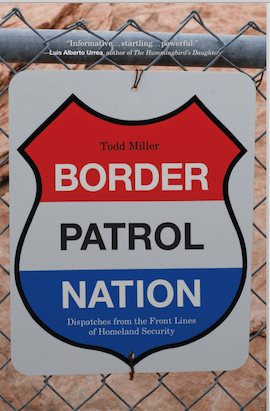
Returning to Forthright Radio is Izzy Award winning Todd Miller. He was our guest in 2017, when the book that won the Izzy Award, STORMING THE WALL: CLIMATE CHANGE, MIGRATION, AND HOMELAND SECURITY, came out. Last Spring of 2021, City Lights published his latest book, BUILD BRIDGES, NOT WALLS: A Journey to a World Without Borders. We spoke with him on August 30, 2021.
Building Bridges his his fourth book on border issues.
“As a woman I have no country. As a woman I want no country. As a woman, my country is the whole world.” – Virginia Woolf
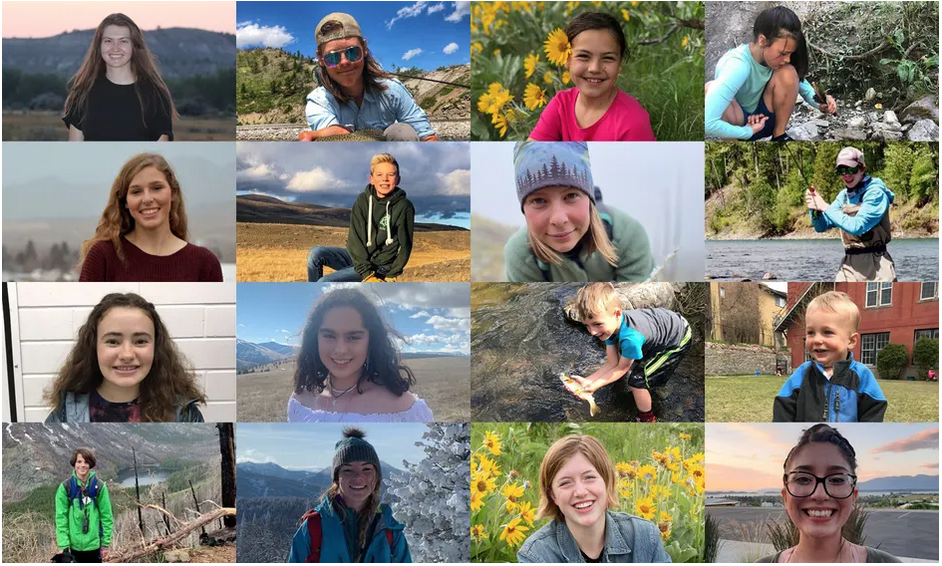
On March 13, 2020, 16 young Montanans filed their constitutional climate lawsuit against the state of Montana, asserting that, by supporting a fossil fuel-driven energy system, which is contributing to the climate crisis, Montana is violating their constitutional rights to a clean and healthful environment; to seek safety, health, and happiness; and to individual dignity and equal protection of the law. The youth plaintiffs also argue that the state’s fossil fuel energy system is degrading and depleting Montana’s constitutionally protected public trust resources, including the atmosphere, rivers and lakes, fish and wildlife.
The 16 plaintiffs who are suing Montana are: row one: Rikki, Lander, Lilian, Ruby; row two: Georgi, Badge, Eva, Kian; row three: Taleah, Olivia, Jeff, Nate; row four: Mica, Claire, Grace, Sariel Photograph: Courtesy of Our Children’s Trust
On August 3, 2021, these 16 young plaintiffs secured a critical victory when Judge Kathy Seeley denied the state’s attempt to prevent their case, Held v. State of Montana, from proceeding to trial.
Now, the Montana court has joined others, including courts in Washington, Texas, Oregon, and Colorado, in exercising the court’s role to declare the constitutional boundaries of what governments must and must not do when it comes to climate change. This is a watershed moment for all the science-based youth climate lawsuits supported by the non-profit law firm, Our Children’s Trust, including Juliana v. United States, La Rose v. Her Majesty the Queen, Sagoonick v. Alaska and many more.
Ricki Held, lead plaintiff in Held v. MT
In this zoom briefing recorded on August 13, 2021, attorneys Roger Sullivan of Kallispell with Melissa Hornbein and Nate Bellinger of Our Children’s Trust are joined by youth plaintiffs Ricki Held of Broaddus and Grace Gibson-Snyder of Missoula in discussing the significance to their case, Held v. Montana. Erin Barnhart moderates.
University of British Columbia Professor of Forest Ecology, Dr. Suzanne Simard, is a pioneer on the frontier of plant communication and intelligence. Her decades of in-the-field-experimental research have revolutionized our scientific understanding of forests, elucidating how trees, living side by side for hundreds of years, have evolved, how they perceive one another, learn and adapt their behaviors, recognize neighbors and remember the past; how they have agency about the future; elicit warnings and mount defenses, compete and cooperate with one another with sophistication, characteristics ascribed to human intelligence, traits that are the essence of civil societies–and at the center of it all, the Mother Trees: the mysterious, powerful forces that connect and sustain the others that surround them.
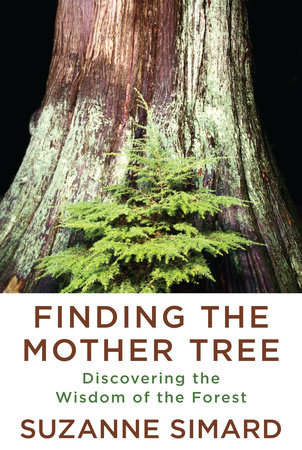
Suzanne Simard’s book, FINDING THE MOTHER TREE: Discovering the Wisdom of the Forest, was published by Knopf on May 4, 2021. We spoke together on April 27th.
We end the program with a recent piece commissioned by the Intermountain Opera Company composed by Eric Funk, Requiem for a Forest, Op. 168. It is performed by Roots in the Sky. A video adaptation by Thomas Thomas is available on https://bozemanarts-live.com/event/requiem-for-a-forest/
Requiem for a Forest
In summer heat And warming world Storms whip up, Lightening rolls, Sparks run to earth. The wind turns Through the mountains, Forests burn.
Fire ends, Yet fire begins. As mountains die, Cones open. Mors stupebit et natura Cum resurgent Creatura.
Now we must learn How to live here, Where fire season Burns all year. Blackened earth With green renew, May the fires wake us too.
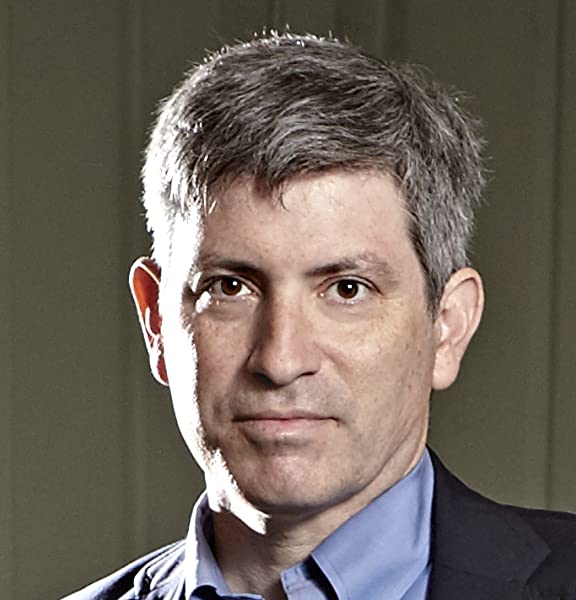
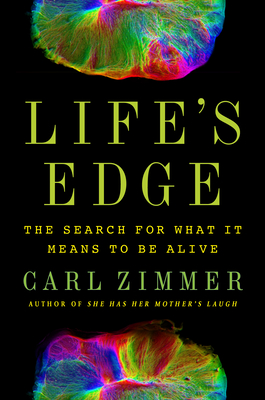
In addition to writing for The New York Times, Discover, National Geographic, the Atlantic, Wired and others, Carl Zimmer is the author of 14 books on science, from his first in 1998: AT THE WATER’S EDGE: FISH WITH FINGERS, WHALES WITH LEGS, AND HOW LIFE CAME ASHORE AND THEN WENT BACK TO SEA to his latest book, which we discuss today, LIFE’S EDGE: THE SEARCH FOR WHAT IT MEANS TO BE ALIVE, just published by Dutton.
He claims to be the only writer after whom a species of tapeworm has been named, Acanthobothrium zimmeri. We spoke with him on March 15, 2021.
We end with poems read by San Francisco poet, publisher and founder of City Lights Books, Lawrence Ferlinghetti. He died just two months shy of his 102nd birthday on February 22, 2021.
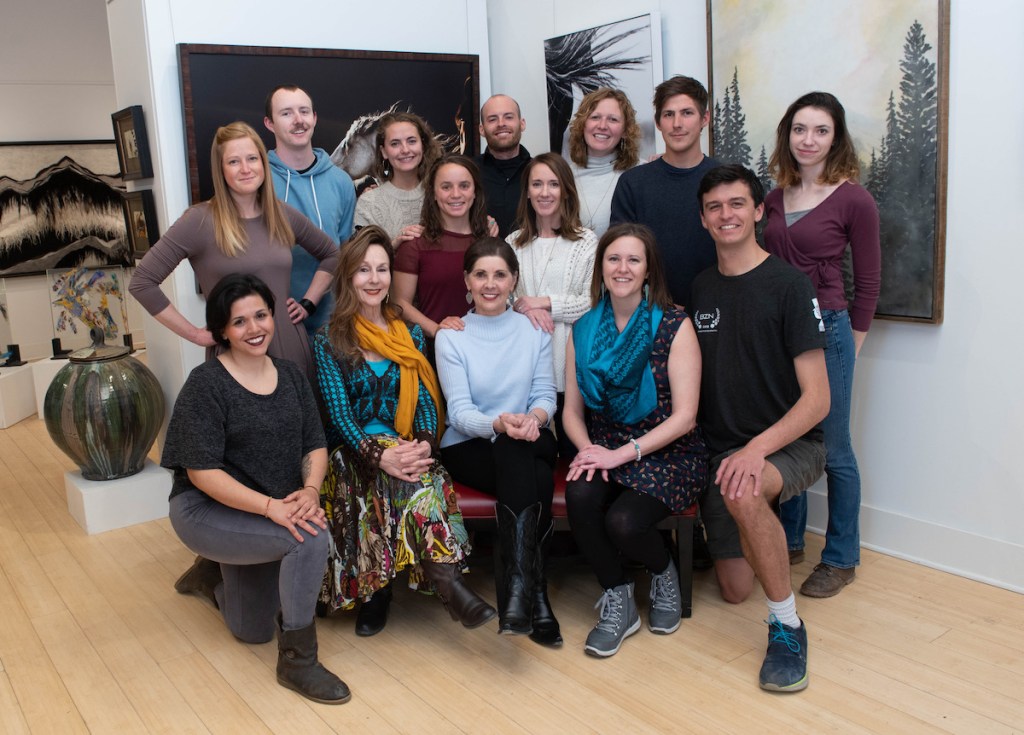
On August 14, 2020, we spoke with Beth Ann Kennedy, artistic/managing director of the Bozeman Film Celebration, about how she came to create the BZN International Film Festival, whose first season was in June of 2018. Her training in speech, music, dance and the dramatic arts, from the early 1970s, as well as her decades of experience acting, directing and producing in theater and film, contributed to her success in bringing to Bozeman what has become an annual Film Festival. Her excellent interpersonal skills and work with business and international government leaders, educators, entertainment celebrities, musicians, choreographers and thousands of American youths, prepared her for the gargantuan effort of coordinating the many people and jobs required in bringing a film festival into reality. After only its second year, the BZN International Film Festival was listed by Film Freeway among the top 100 festivals in the world. We asked her about her experiences, challenges, and goals over the past three years, and about re-creating the festival during a pandemic. Our conversation in a garden includes commentary from the neighborhood birds and dogs.
Members of the 2019 BZN International Film Festival Staff
Some of the 2020 BZN International Film Festival Staff, dutifully socially distancing. Beth Ann Kennedy in white top at center.
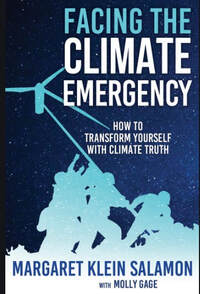
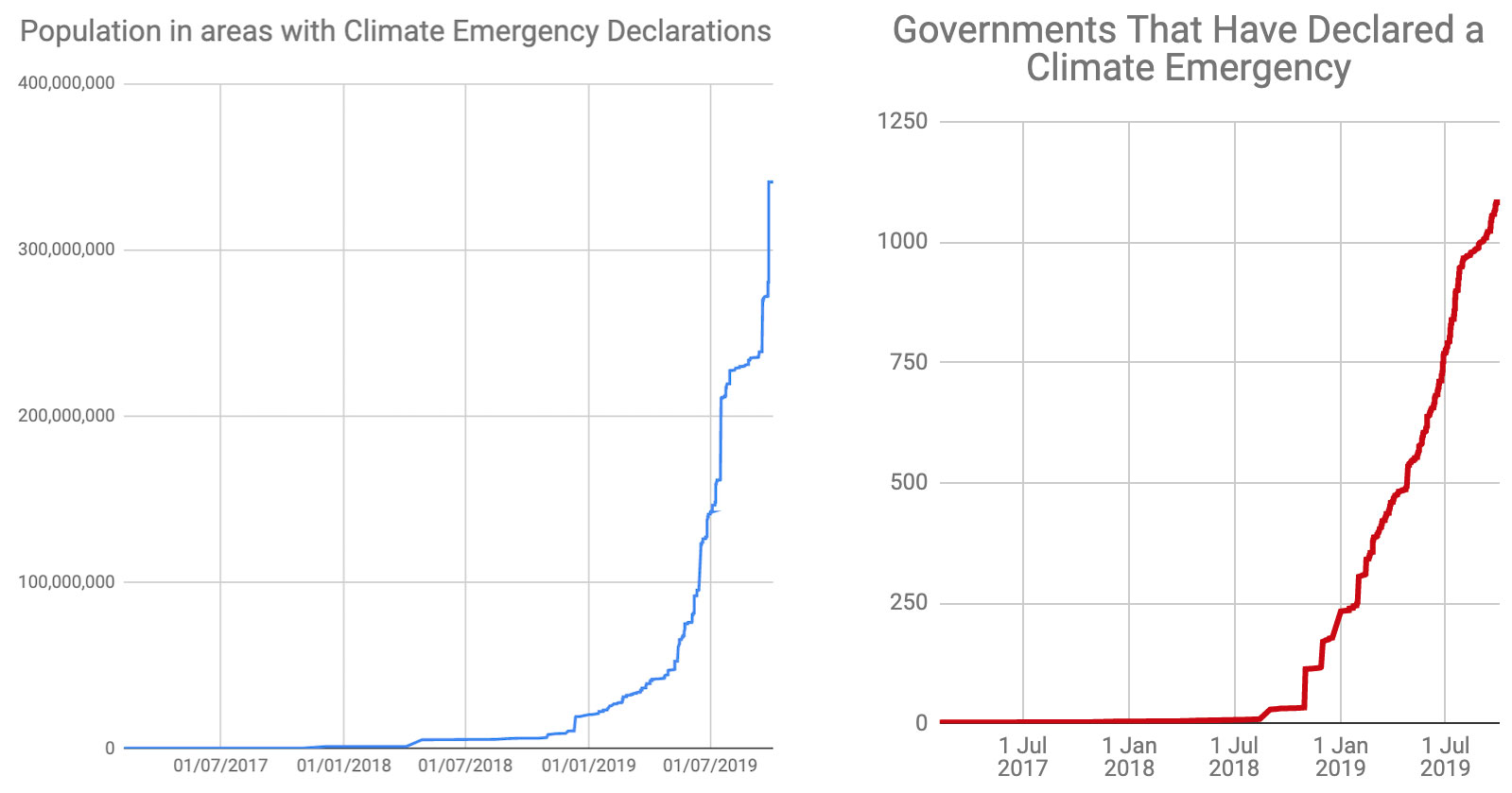
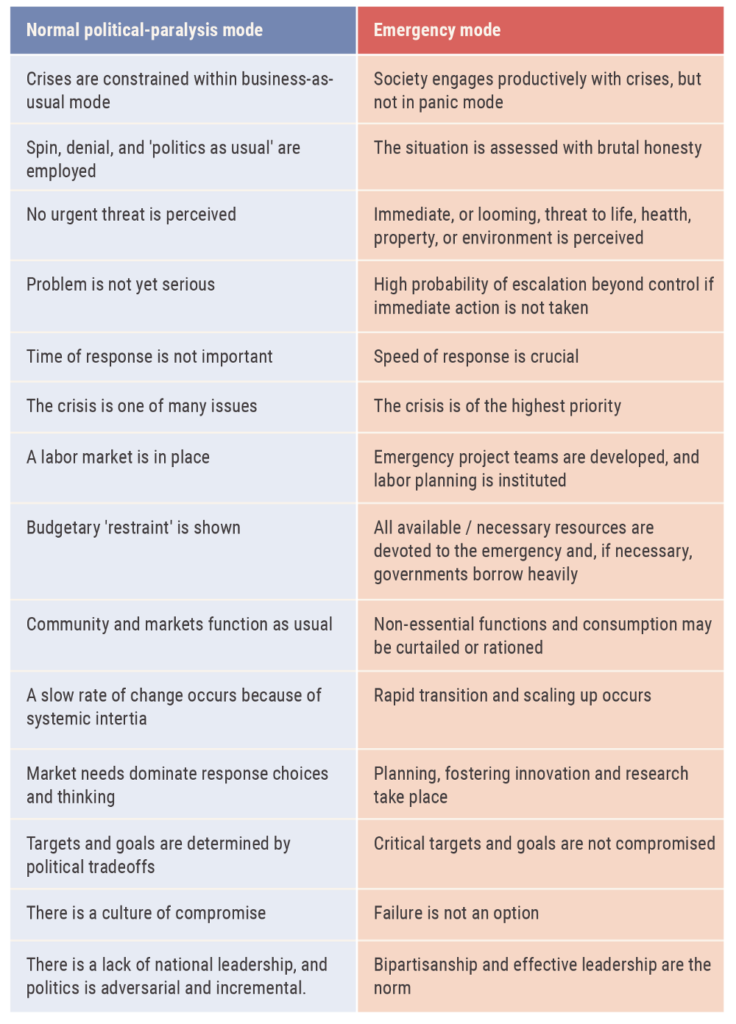
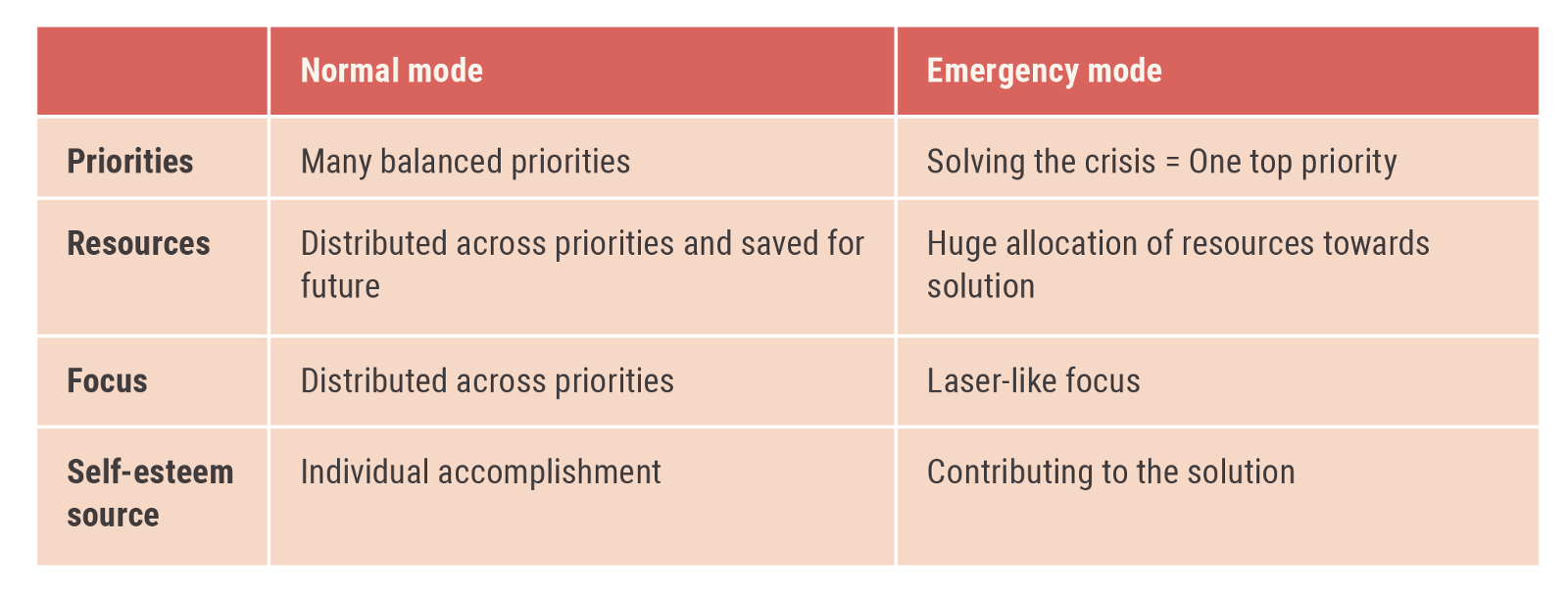
Margaret Klein Salamon is the founder and Executive Director of The Climate Mobilization, a volunteer-powered organization that is working to initiate a WWII-scale mobilization to rapidly transform our economy to protect humanity and the living world. In that role she has helped catalyze a burgeoning worldwide climate emergency movement. More than 1,500 cities and counties around the world have now passed climate emergency declarations based on the climate emergency policy framework that The Climate Mobilization has developed and championed.
Margaret has doctorate in clinical psychology and a BA in social anthropology. She is the author of The Transformative Power of Climate Truth and Leading the Public into Emergency Mode. Her latest book, Facing the Climate Emergency: How to Transform Yourself with Climate Truth, has just been published by New Society Publishers.
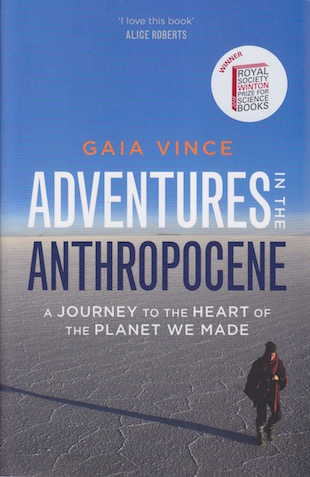
Gaia Vince is an environmental journalist, author and broadcaster. Her work focuses largely on the interplay between humans and the planetary environment. Her latest book, TRANSCENDENCE: How Humans Evolved Through Fire, Language, Beauty & Time, was published in the United States in January, 2020 by Basic Books.
Her first book, Adventures in the Anthropocene: A Journey to the Heart of the Planet We Made, won the 2015 Royal Society Winton Prize for Science Books, making her the first woman to win the prize outright. That book discussed the Anthropocene, the geological epoch that began when human activities started to have a significant global impact on Earth’s ecosystems.
She has held senior editorial posts at Nature and New Scientist, and her writing has featured in newspapers and magazines including the Guardian, The Times and Scientific American. She also writes and presents science programs for radio and television. Her research takes her across the world: she has visited more than 60 countries. She currently lives in London, where we spoke with her via Skype.
In addition to fire and language, Gaia Vince asserts that beauty was a powerful force in human evolution. She cites artifacts such as the “Lion Man”, the oldest known zoomorphic sculpture and uncontested example of figurative art, between 35,000 and 40,000 years old. It was carved of mammoth ivory using a flint knife and stands 31.1cm tall, 5.6cm wide and 5.9cm thick.
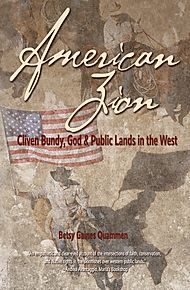
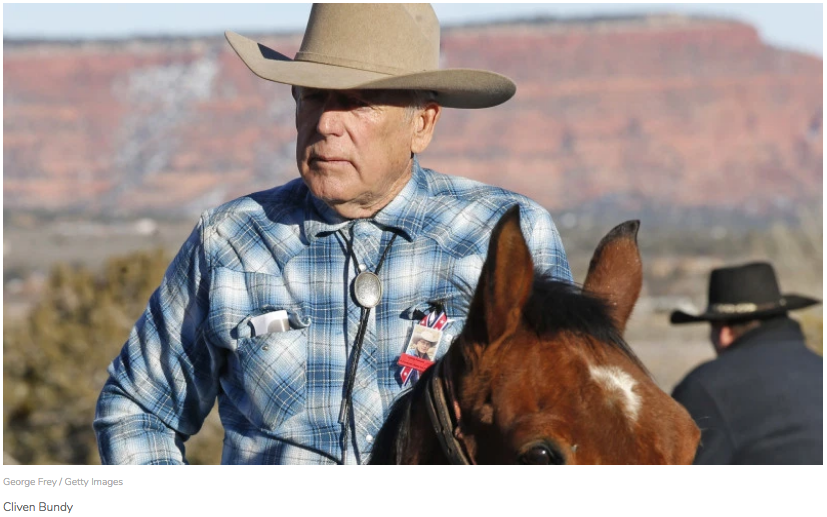
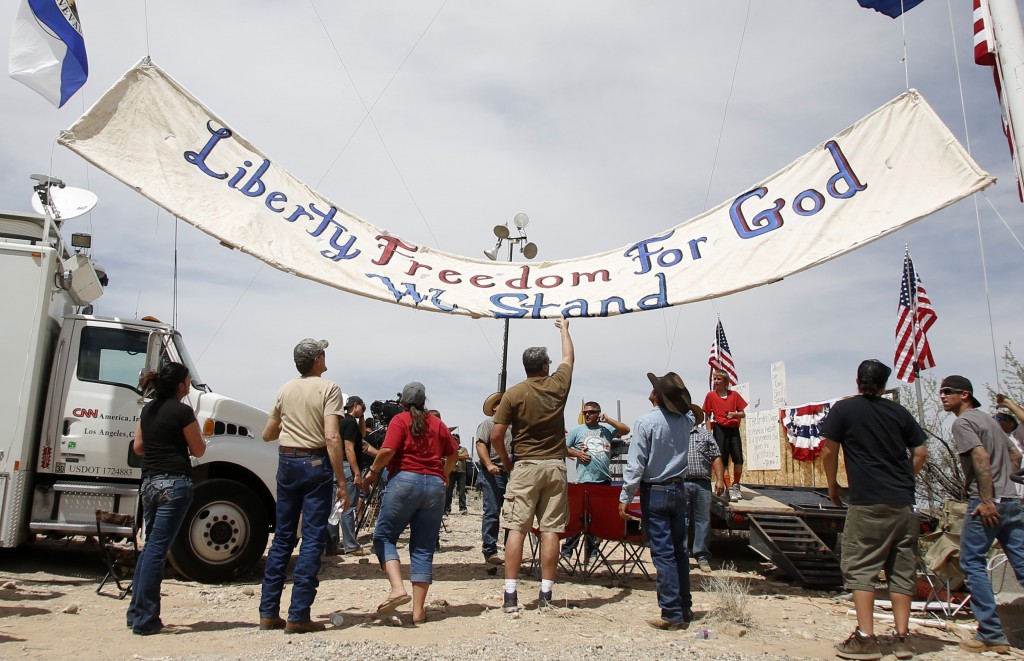
In her book, American Zion: Cliven Bundy, God & Public Lands in the West, just out from Torrey House Press, Dr. Betsy Gaines Quammen, PhD, documents the history of The Church of Jesus Christ of Latter-day Saints, and how their beliefs led to Cliven Bundy’s scoff-law actions, including decades of grazing his cattle on public lands without legal permits and refusing to pay over $1million in fines and fees, leading to armed followers in tense stand-offs with federal employees in Nevada and Oregon.
After environmental laws such as The Endangered Species Act, The National Environmental Policy Act (NEPA) and The Federal Land Policy and Management Act (FLPMA) required the federal government to assess public lands and protect endangered species such as the Desert Tortoise, individuals such as The Bundys and groups such as The Sagebrush Rebellion and the so-called Wise Use Movement arose to defy federal protections encroaching on what they considered their traditional way of life.
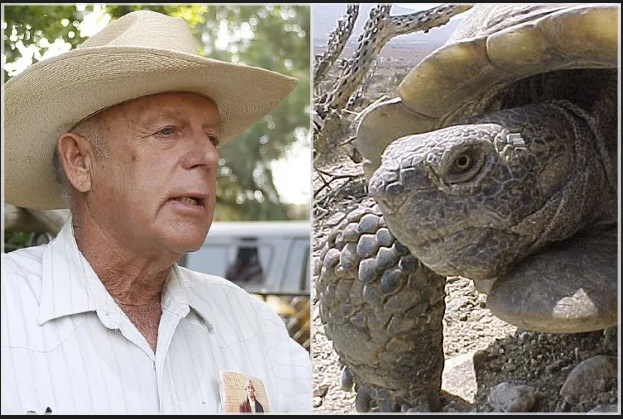
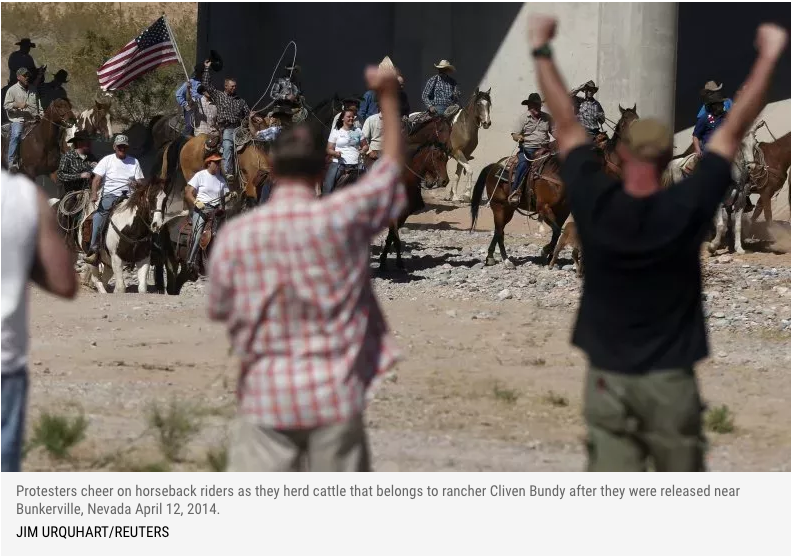
[Cliven Bundy and an endangered Desert Tortoise (Reuters/Jim Urquhart/AP)]
This led to armed confrontations at the “Battle of Bunkerville” and “The Siege of the Malheur National Wildlife Refuge.”
Mormon prophecy contributes to the sense of religious righteousness and destiny, which motivate some to claim uniquely superior interpretation of the U.S. Constitution, considered to be a divinely inspired sacred text.
Reuters
[From left to right: Cliven Bundy, Ryan Bundy and Ammon Bundy.]
We end the program with a brief discussion of the unfolding Covid-19 Pandemic, the anti-science response of the Bundy network, and the work of Betsy’s husband, David Quammen, who in his book, Spillover: Animal Infections and the Next Human Pandemic(2012) predicted it was only a matter of time til a pandemic like this would occur.
Finally, Dan Roberts reads his poem from 2006, “Helter Shelter.”
Past Forthright Radio programs referenced in this show include:
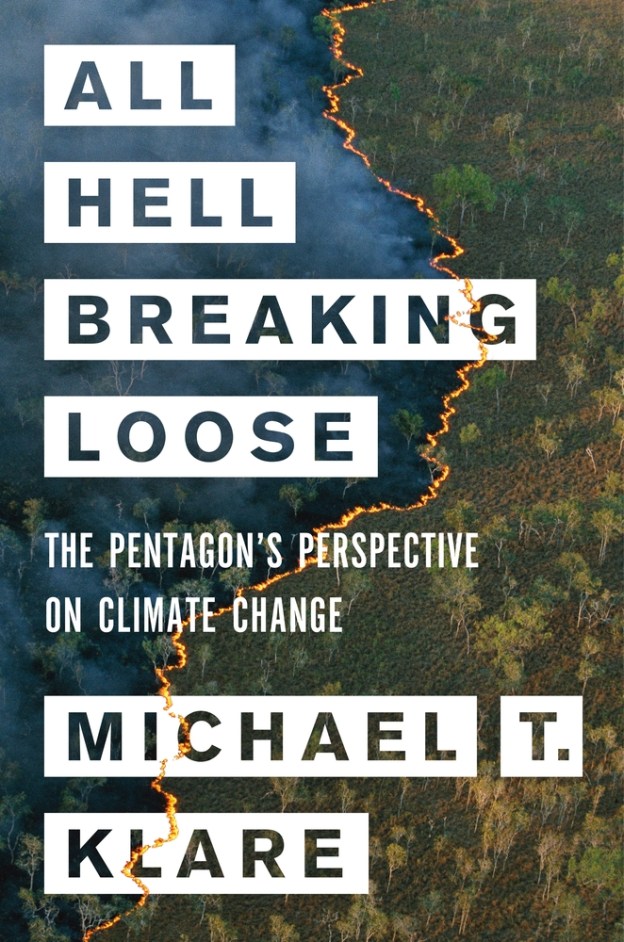
The United States military has been aware of the escalating dangers of catastrophic climate disruption longer than most other branches of government. In spite of Donald Trump’s quick rescinding of Barack Obama’s Executive Order 13653, issued in 2013, “Preparing the US for the Impact of Climate Change,” the military has quietly continued to do just that.
In his latest meticulously researched book, All Hell Breaking Loose: The Pentagon’s Perspective on Climate Change, the Five College Professor Emeritus of Peace and World Security Studies at Hampshire College and senior visitiing fellow at the Arms Control Association, Michael T. Klare, shows that the US military considers climate change a danger on several fronts at once.
With charts and maps he demonstrates that globally and nationally, we are vulnerable to increasing disruptions from climate change:
A map identifying military bases that have reported problems from heavy flooding, extreme temperatures, prolonged drought, and other climate impacts. (from All Hell Breaking Loose: The Pentagon’s Perspective on Climate Change Metropolitan Books)
Increasing water scarcity as the river systems sourced in the glaciers of the Himalayan watershed is a major concern affecting nuclear armed nations China, India and Pakistan. (from All Hell Breaking Loose: The Pentagon’s Perspective on Climate Change Metropolitan Books)
As the Arctic sea ice disappears the geopolitics of the region are in flux as never before in human history with potential of conflict among major powers such as Russia, China and the US. ((from All Hell Breaking Loose: The Pentagon’s Perspective on Climate Change Metropolitan Books)
On this edition of Ecotones, we hear from local Bozemanites, Dr. Mary M. Clare, Ph.D. and author, Gary Ferguson, about their work in evolving the concept of Full Ecology. How regaining our sense of kinship, relationship and interconnection, and being guided by balance, rhythm and harmony, we can survive and thrive the disruptions of our personal embedded environments, and the greater environments of which we are a natural part. Gary is The author of 26 books, the latest of which is THE EIGHT MASTER LESSONS OF NATURE: WHAT NATURE TEACHES US ABOUT LIVING WELL IN THE WORLD, published by Dutton.