Indigenous artisans, cooks and farmers tell us this story (in Spanish and in their own languages) about the origins of indigenous corn and how their ancestors have guided the evolution of seeds from the dawn of agriculture to the 21st century; a collective effort that spans more than 350 generations.
To their voices are added those of community leaders, scientists, cooks and many others whose knowledge and activism are committed not only to the defense of food sovereignty and genetic integrity, diversity and the collective property of indigenous seeds, but also for the defense of an enduring cultural legacy and way of life.
Filmmaker and Chair of the FIlm & Digital Media Department at UC Santa Cruz , Gustavo Vazquez, brings us to Oaxaca to experience the wisdom of various indigenous communities, as they explain that “Corn was not domesticated by man – Man was domesticated by corn.”
Professors Ignacio Chapela (UC Berkeley) and Alan Bennett (UC Davis) discuss the merits and dangers of genetically modified organisms, and the characteristics of different landraces of corn that have co-evolved with the people of Oaxaca – continuing co-evolution vs. exploitation for patenting and profit.
Susana Harp, Senator from Oaxaca, works to protect the heritage and health of her region, and to respect the validity of their approach. “Corn & its surrounding rituals are tied to the cosmology of the indigenous people – by extension, the essence of being Mexican, linking our lives to corn.”
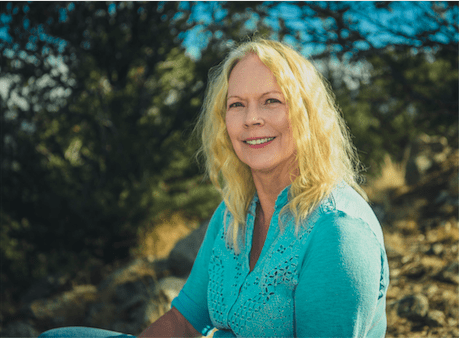
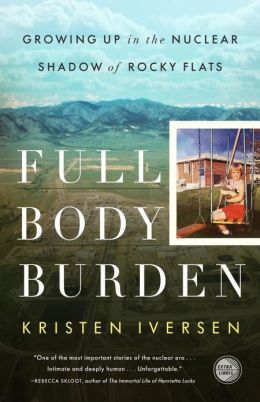
In this interview with Kristen Iversen from June 27, 2012, we learn about the history and legacy of the Rocky Flats Nuclear Weapons Site, located 15 miles northwest of Denver, CO. Iversen grew up in nearby Arvada, and worked at the plant.
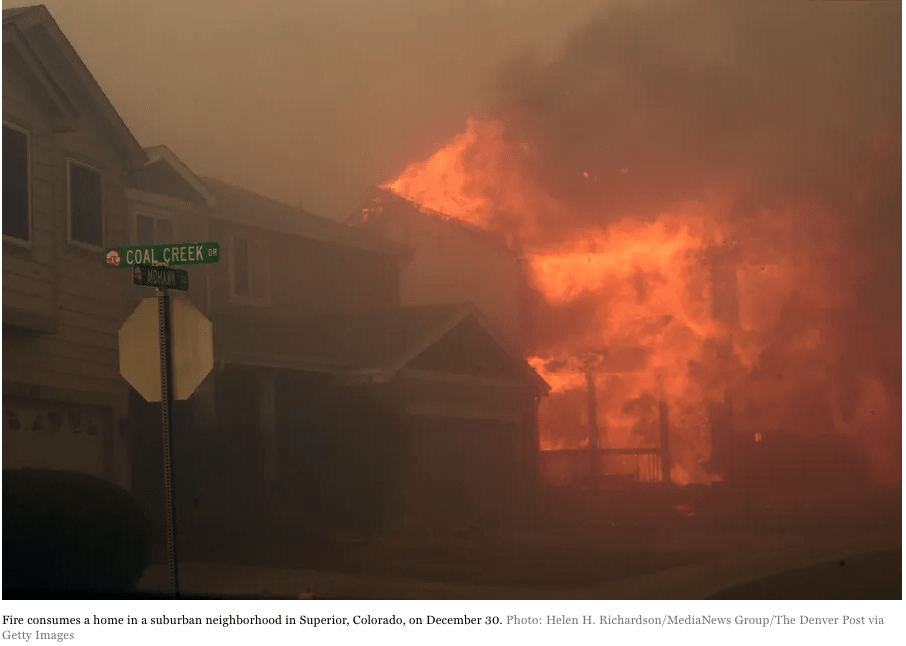
The recent catastrophic fires in Superior and Louisville, CO, brought it to mind, since Superior butts right up against and downwind from the Rocky Flats site, and Louisville butts right up against Superior. On the day of the fire, December 30, 2021, winds were clocked at Rocky Flats at 115 miles per hour. But beyond that, as Kristen Iversen tells us, those winds had been blowing east from the plutonium contaminated site for 6 decades.
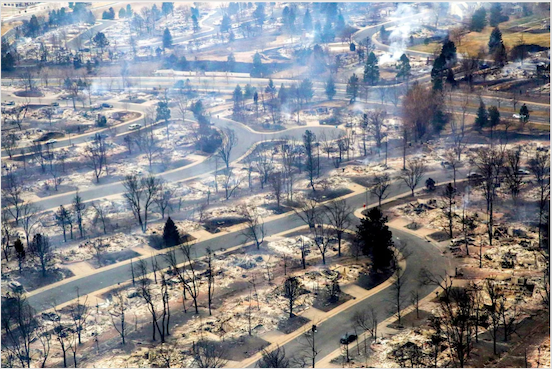
Local residents protested the moral and physical dangers at Rocky Flats, as well as proposed real estate developments along its borders, which were nonetheless built, in spite of the scientific findings of plutonium contamination and strong, local resistance, and which have now been utterly destroyed by the fires.
An aerial view of one of the Boulder County neighborhoods that burned to the ground on Thursday. Photo: Hart Van Denburg/AP/Shutterstock
It has been widely reported that abundant spring rains allowed the grasses to grow profusely, only to dry completely in the ensuing drought and unseasonably hot and dry Fall and early Winter. In the growing, those plants absorbed plutonium, known to have been blown there from the Rocky Flats Weapon Lab site during those six decades. The fire vaporized whatever plutonium had been taken up by that tinder dry plant material, blowing it in unknown amounts and unknown distances to the east. I have not found any reports mentioning this aspect of the fires, much less considering the fallout from it, in the most literal sense.
Perhaps this post can be a beginning of that consideration.
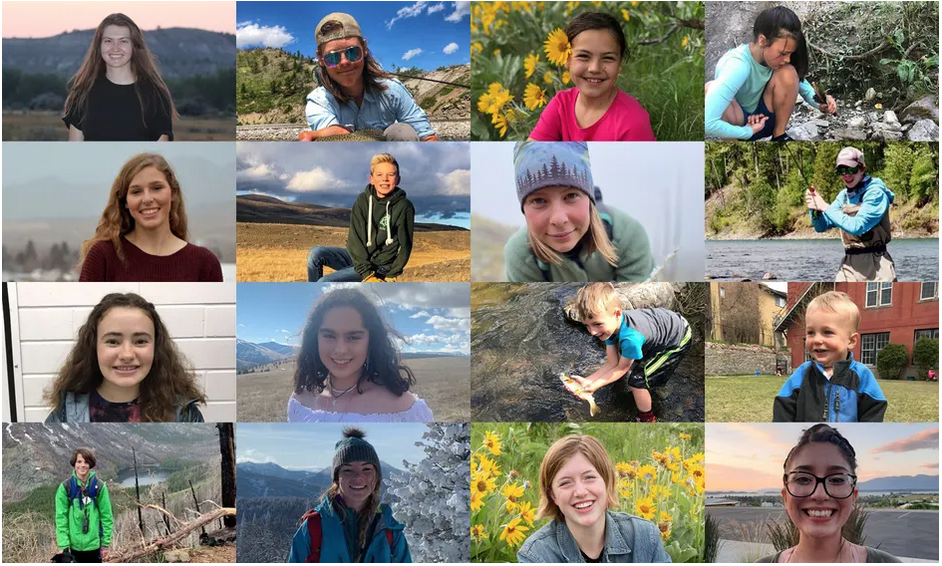
On March 13, 2020, 16 young Montanans filed their constitutional climate lawsuit against the state of Montana, asserting that, by supporting a fossil fuel-driven energy system, which is contributing to the climate crisis, Montana is violating their constitutional rights to a clean and healthful environment; to seek safety, health, and happiness; and to individual dignity and equal protection of the law. The youth plaintiffs also argue that the state’s fossil fuel energy system is degrading and depleting Montana’s constitutionally protected public trust resources, including the atmosphere, rivers and lakes, fish and wildlife.
The 16 plaintiffs who are suing Montana are: row one: Rikki, Lander, Lilian, Ruby; row two: Georgi, Badge, Eva, Kian; row three: Taleah, Olivia, Jeff, Nate; row four: Mica, Claire, Grace, Sariel Photograph: Courtesy of Our Children’s Trust
On August 3, 2021, these 16 young plaintiffs secured a critical victory when Judge Kathy Seeley denied the state’s attempt to prevent their case, Held v. State of Montana, from proceeding to trial.
Now, the Montana court has joined others, including courts in Washington, Texas, Oregon, and Colorado, in exercising the court’s role to declare the constitutional boundaries of what governments must and must not do when it comes to climate change. This is a watershed moment for all the science-based youth climate lawsuits supported by the non-profit law firm, Our Children’s Trust, including Juliana v. United States, La Rose v. Her Majesty the Queen, Sagoonick v. Alaska and many more.
Ricki Held, lead plaintiff in Held v. MT
In this zoom briefing recorded on August 13, 2021, attorneys Roger Sullivan of Kallispell with Melissa Hornbein and Nate Bellinger of Our Children’s Trust are joined by youth plaintiffs Ricki Held of Broaddus and Grace Gibson-Snyder of Missoula in discussing the significance to their case, Held v. Montana. Erin Barnhart moderates.
Andy Norman, Ph.D., directs the Humanism Initiative at Carnegie Mellon University and is the founder of CIRCE, the Cognitive Immunology Research Collaborative. His book, Mental Immunity: Infectious Ideas, Mind-Parasites, and the Search for a Better Way to Think, just published by HarperCollins, lays out the conceptual foundations of cognitive immunology—the emerging science of mental immune health.
University of British Columbia Professor of Forest Ecology, Dr. Suzanne Simard, is a pioneer on the frontier of plant communication and intelligence. Her decades of in-the-field-experimental research have revolutionized our scientific understanding of forests, elucidating how trees, living side by side for hundreds of years, have evolved, how they perceive one another, learn and adapt their behaviors, recognize neighbors and remember the past; how they have agency about the future; elicit warnings and mount defenses, compete and cooperate with one another with sophistication, characteristics ascribed to human intelligence, traits that are the essence of civil societies–and at the center of it all, the Mother Trees: the mysterious, powerful forces that connect and sustain the others that surround them.
Suzanne Simard’s book, FINDING THE MOTHER TREE: Discovering the Wisdom of the Forest, was published by Knopf on May 4, 2021. We spoke together on April 27th.
We end the program with a recent piece commissioned by the Intermountain Opera Company composed by Eric Funk, Requiem for a Forest, Op. 168. It is performed by Roots in the Sky. A video adaptation by Thomas Thomas is available on https://bozemanarts-live.com/event/requiem-for-a-forest/
Requiem for a Forest
In summer heat And warming world Storms whip up, Lightening rolls, Sparks run to earth. The wind turns Through the mountains, Forests burn.
Fire ends, Yet fire begins. As mountains die, Cones open. Mors stupebit et natura Cum resurgent Creatura.
Now we must learn How to live here, Where fire season Burns all year. Blackened earth With green renew, May the fires wake us too.
Returning to Forthright Radio is Rob Dunn, who is a biology Professor in the Department of Applied Ecology at North Carolina State University. He conducts a Public Science Lab, which engages citizen scientists around the world via the website, robdunnlab.com.
His latest book, DELICIOUS: THE EVOLUTION OF FLAVOR AND HOW IT MADE US HUMAN, has just been published by Princeton University Press, and even though that sounds super academic, Rob writes for the general audience in a humorous and easily understood way. He is the science teacher I wish I had had in high school. To be concise, Rob Dunn is fun. We spoke with him on April 5, 2021.
Links to articles/events relevant to this interview:
In addition to writing for The New York Times, Discover, National Geographic, the Atlantic, Wired and others, Carl Zimmer is the author of 14 books on science, from his first in 1998: AT THE WATER’S EDGE: FISH WITH FINGERS, WHALES WITH LEGS, AND HOW LIFE CAME ASHORE AND THEN WENT BACK TO SEA to his latest book, which we discuss today, LIFE’S EDGE: THE SEARCH FOR WHAT IT MEANS TO BE ALIVE, just published by Dutton.
He claims to be the only writer after whom a species of tapeworm has been named, Acanthobothrium zimmeri. We spoke with him on March 15, 2021.
We end with poems read by San Francisco poet, publisher and founder of City Lights Books, Lawrence Ferlinghetti. He died just two months shy of his 102nd birthday on February 22, 2021.
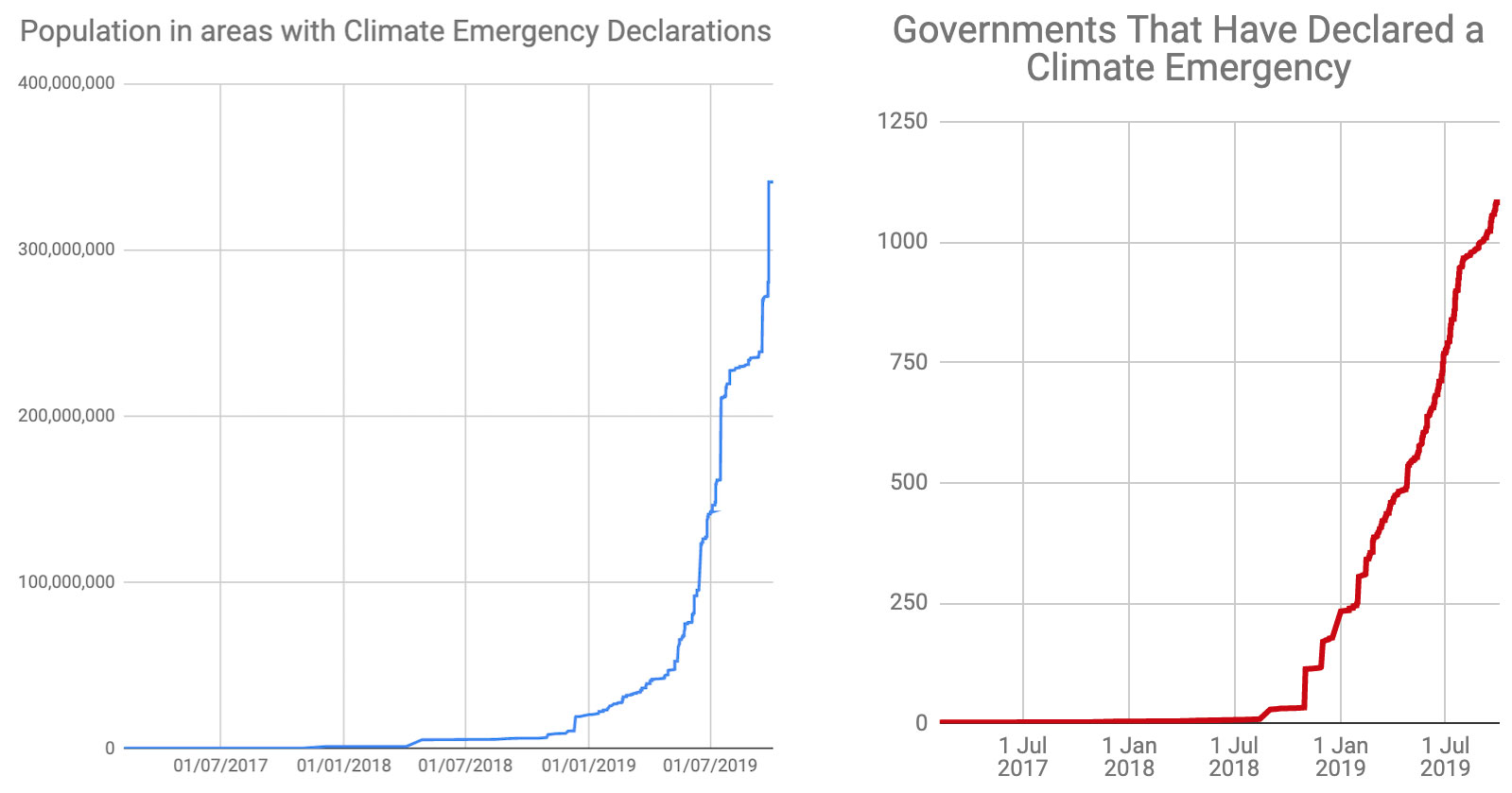
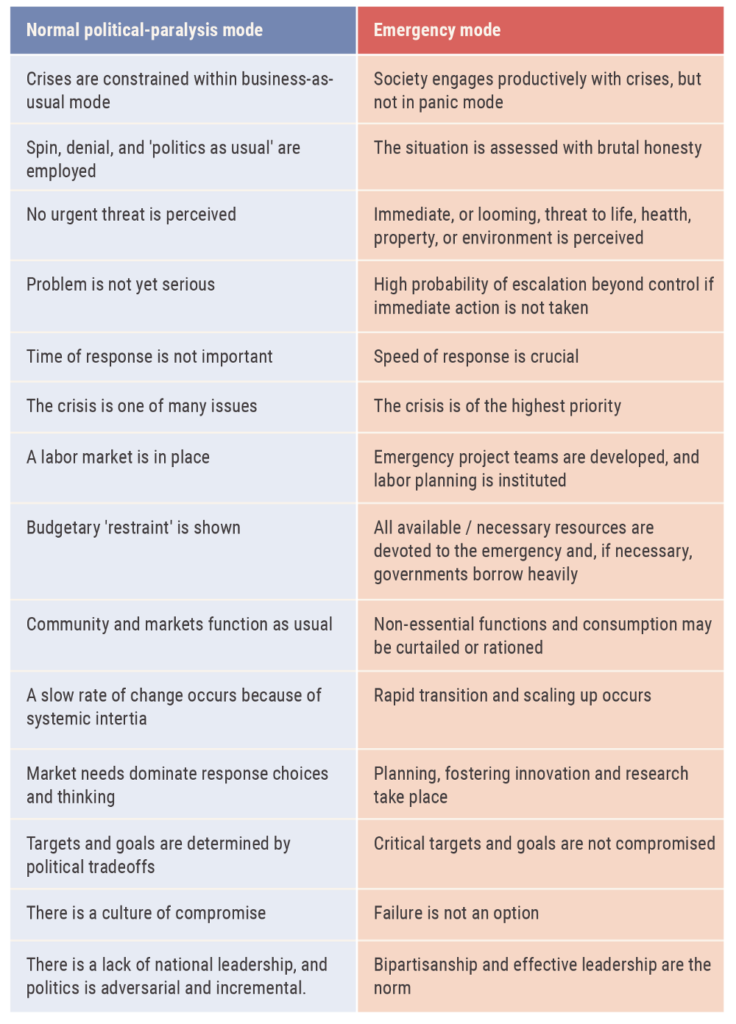
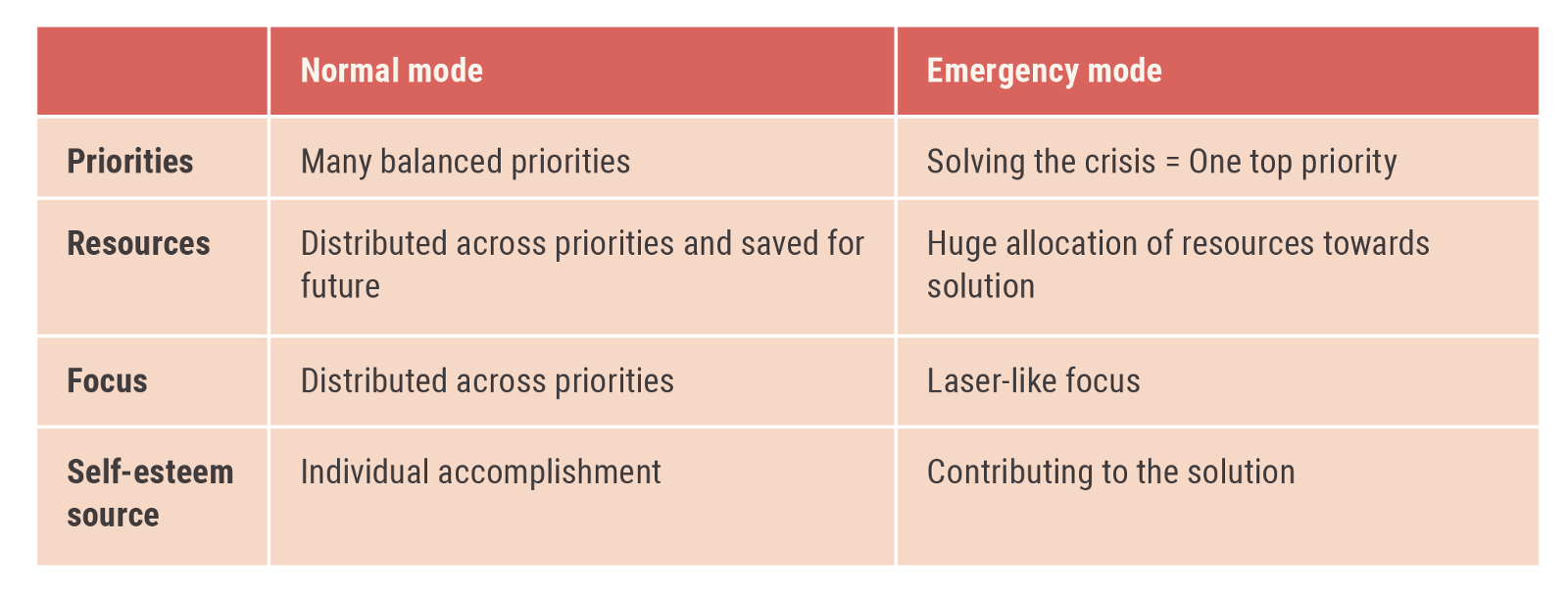
Margaret Klein Salamon is the founder and Executive Director of The Climate Mobilization, a volunteer-powered organization that is working to initiate a WWII-scale mobilization to rapidly transform our economy to protect humanity and the living world. In that role she has helped catalyze a burgeoning worldwide climate emergency movement. More than 1,500 cities and counties around the world have now passed climate emergency declarations based on the climate emergency policy framework that The Climate Mobilization has developed and championed.
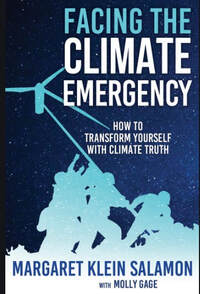
Margaret has doctorate in clinical psychology and a BA in social anthropology. She is the author of The Transformative Power of Climate Truth and Leading the Public into Emergency Mode. Her latest book, Facing the Climate Emergency: How to Transform Yourself with Climate Truth, has just been published by New Society Publishers.
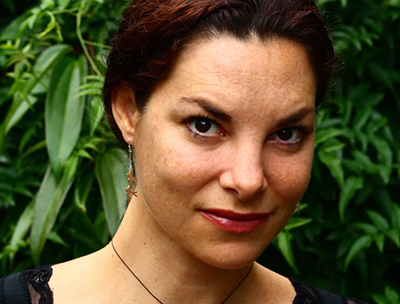
Gaia Vince is an environmental journalist, author and broadcaster. Her work focuses largely on the interplay between humans and the planetary environment. Her latest book, TRANSCENDENCE: How Humans Evolved Through Fire, Language, Beauty & Time, was published in the United States in January, 2020 by Basic Books.
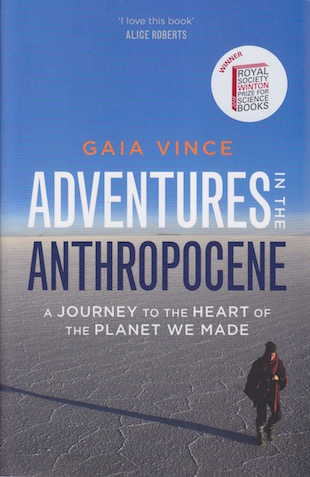
Her first book, Adventures in the Anthropocene: A Journey to the Heart of the Planet We Made, won the 2015 Royal Society Winton Prize for Science Books, making her the first woman to win the prize outright. That book discussed the Anthropocene, the geological epoch that began when human activities started to have a significant global impact on Earth’s ecosystems.
She has held senior editorial posts at Nature and New Scientist, and her writing has featured in newspapers and magazines including the Guardian, The Times and Scientific American. She also writes and presents science programs for radio and television. Her research takes her across the world: she has visited more than 60 countries. She currently lives in London, where we spoke with her via Skype.
In addition to fire and language, Gaia Vince asserts that beauty was a powerful force in human evolution. She cites artifacts such as the “Lion Man”, the oldest known zoomorphic sculpture and uncontested example of figurative art, between 35,000 and 40,000 years old. It was carved of mammoth ivory using a flint knife and stands 31.1cm tall, 5.6cm wide and 5.9cm thick.
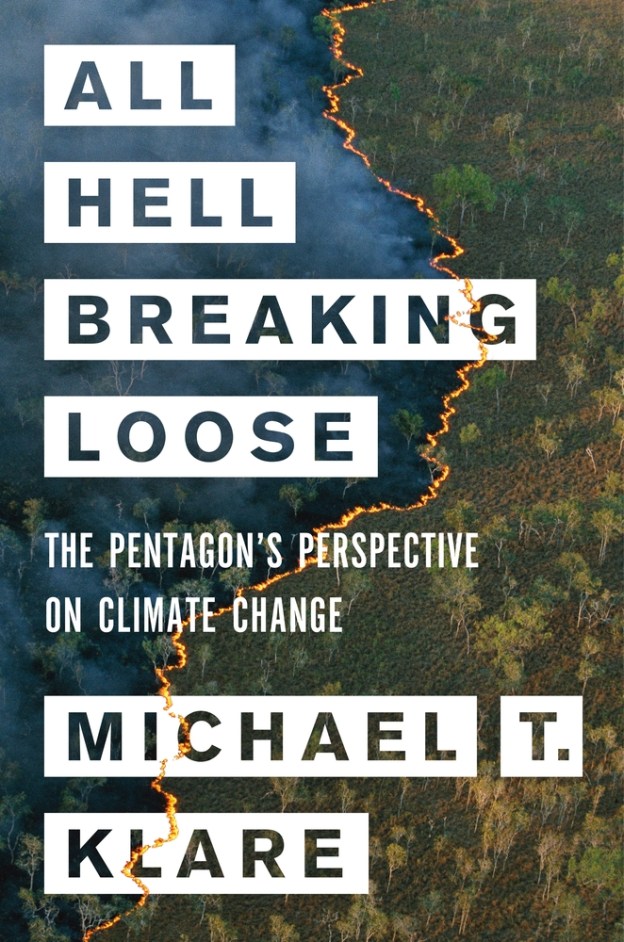
The United States military has been aware of the escalating dangers of catastrophic climate disruption longer than most other branches of government. In spite of Donald Trump’s quick rescinding of Barack Obama’s Executive Order 13653, issued in 2013, “Preparing the US for the Impact of Climate Change,” the military has quietly continued to do just that.
In his latest meticulously researched book, All Hell Breaking Loose: The Pentagon’s Perspective on Climate Change, the Five College Professor Emeritus of Peace and World Security Studies at Hampshire College and senior visitiing fellow at the Arms Control Association, Michael T. Klare, shows that the US military considers climate change a danger on several fronts at once.
With charts and maps he demonstrates that globally and nationally, we are vulnerable to increasing disruptions from climate change:
A map identifying military bases that have reported problems from heavy flooding, extreme temperatures, prolonged drought, and other climate impacts. (from All Hell Breaking Loose: The Pentagon’s Perspective on Climate Change Metropolitan Books)
Increasing water scarcity as the river systems sourced in the glaciers of the Himalayan watershed is a major concern affecting nuclear armed nations China, India and Pakistan. (from All Hell Breaking Loose: The Pentagon’s Perspective on Climate Change Metropolitan Books)
As the Arctic sea ice disappears the geopolitics of the region are in flux as never before in human history with potential of conflict among major powers such as Russia, China and the US. ((from All Hell Breaking Loose: The Pentagon’s Perspective on Climate Change Metropolitan Books)

















 A map identifying military bases that have reported problems from heavy flooding, extreme temperatures, prolonged drought, and other climate impacts. (from All Hell Breaking Loose: The Pentagon’s Perspective on Climate Change Metropolitan Books)


 Forthright Radio