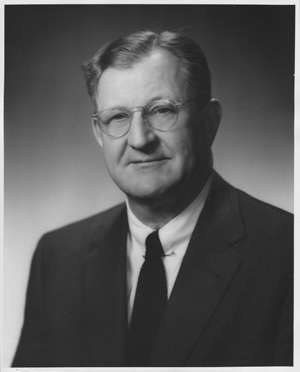
Since the death in 1967, of Koch patriarch, Fred Koch,
Charles Koch has governed the private corporation, Koch Industries, influencing the economy and politics of the United States as few individuals have ever done in history.
An early, lucrative investment was the acquisition of the Pine Bend Refinery, a “cash cow” for the Kochs for over 50 years. Conflicts with labor unions and violations of environmental laws marked Koch management of Pine Bend
In Kochland: The Secret History of Koch Industries and Corporate Power in America (Simon & Schuster, 2019), business journalist, Christopher Leonard, delves deeply into the history of the Koch family and businesses, whose products are foundational to the U.S. economy – from fertilizer for food to energy for transportation, industry and homes, to the fibers we wear and more.
Among its numerous acquisitions over the past 50 years, Georgia-Pacific was one of its biggest, affecting many communities, including Ft. Bragg, CA. The former mill site was bought from Koch Industries by the City of Ft. Bragg. Many are concerned about the toxic residues, including lead, arsenic, dioxin and PCBs.
Koch Network Infiltration of Public Schools ‘Harms Students, Teachers, and Our Democracy’: Report
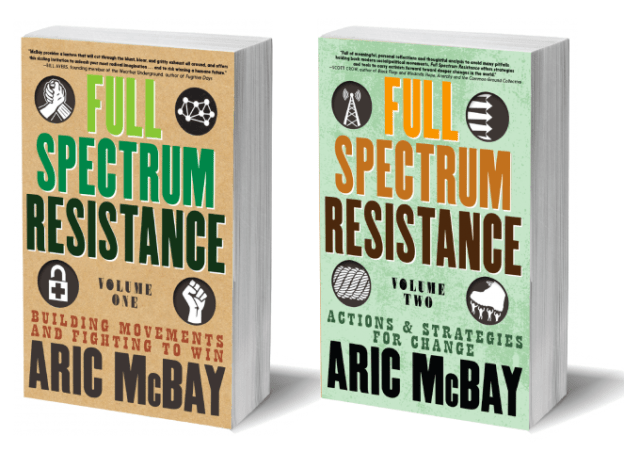
Aric McBay is an organizer, farmer, and author of four books. He writes and speaks about effective social movements, and has organized campaigns around prison justice, Indigenous solidarity, pipelines, unionization, and other causes. His books include Deep Green Resistance: Strategy to Save the Planet(with Lierre Keith & Derrick Jensen), What We Leave Behind (also with Derrick Jensen) and PEAK OIL SURVIVAL, which is the rewritten version of Tools for Gridcrash.. Today, we’ll be focusing on his latest publication, the two volume, FULL SPECTRUM RESISTANCE. Volume One is BUILDING MOVEMENTS AND FIGHTING TO WIN. Volume Two is ACTIONS AND STRATEGIES FOR CHANGE, just published by Seven Stories Press.
Aric McBay lives and farms near Kingston, Ontario, on traditional Anishinaabe and Haudenosaunee territory.
We will have a second interview with Aric on July 3, 2019.
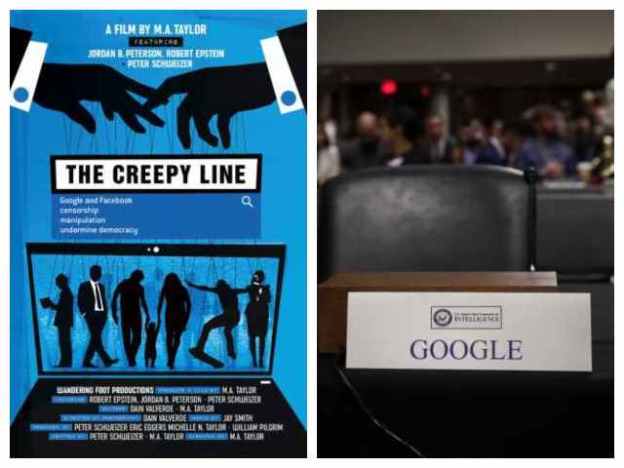
In his documentary, THE CREEPY LINE, M.A. Taylor takes a critical look at the power of internet companies to control information, influence consumers and the electorate, and dominate 21st century culture, economics and politics.
In particular, Facebook and Google dominate the global internet, resisting meaningful regulation by government.
Former Google CEO, Eric Schmidt, said that Google operates right up to what he calls “the creepy line,” controlling platforms that seem not to be connected to it, and blocking access to individuals without recourse, appeal or explanation.
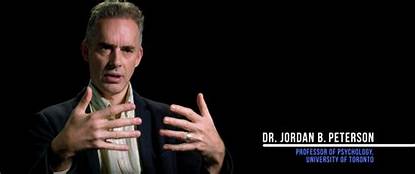
Canadian university psychology professor, Dr. Jordan Peterson, had his youtube channel removed after he wrote against pending legislation in the Canadian Parliament.
Dr. Robert Epstein had all of his Google apps from email to website abruptly blocked. He found that there was no service department to explain or remediate this violation. He has conducted numerous experiments demonstrating how platforms such as Google can change opinions of voters and consumers to astounding degrees.
Taylor asserts that unlike corporations such as Apple and Microsoft, which deliver products – for hefty prices – companies like Facebook and Google don’t sell us products: we ARE their product. Their data collection and increasing surveillance of almost every aspect of our lives, which they sell to other companies, the government and anyone they choose, should be of concern to citizens everywhere who value democracy.
Liz Miller is a documentary maker and professor interested in new approaches to community collaborations and documentary as a way to connect personal stories to larger social concerns. She is a Full Professor in Communications Studies at Concordia University in Montreal and teaches courses in media production, methods in co-creation/ research-creation, Latin American film, Media-and-the-Environment, Food Systems and more. Her films/educational campaigns on timely issues such as water privatization, immigration, refugee rights and the environment have won international awards, been integrated into educational curricula and influenced decision makers. Liz Miller’s The Shoreline Project, which in a series of 2 dozen short films takes us around the world to meet people from myriad cultures and backgrounds, creatively responding to increasing realities of climate disruption, will be at this year’s Mendocino Film Festival in two formats: The film collection, The Shore Line, will screen at the Matheson this coming Saturday June – 1 at12:30 pm. The full interactive exhibit of The Shoreline Project, will be on display at the Festival Headquarters in Odd Fellows Hall, during the entire festival.
Sefali is a Green Rhinos Youth Leader in Maipith, Sundarbans, India. After a devastating cyclone hit in 2009, she organized fellow students to plant trees around their homes and school.
Matias Asun exchanged his job as Director of Greenpeace in Chile to become the Ambassador from the newly proclaimed Republica Glaciar after concluding that the Chilean government had abandoned glaciers. He lobbies the Legislature and pertinent boards to gain protection for them from mining companies and climate disruption.
Ioane Teitiota of the island nation of Kiribati was the first person in the world to apply for climate refugee status in New Zealand. Although his island is expected to be completely inundated within 20 years, the Immigration Board ruled that he and his family were not in danger of dying, so they were sent back. Noting that if he were granted asylum on grounds of climate change it would open the floodgate for millions of others ironically confirmed his reason for being granted asylum.
Will Nelson is a biologist and a member of the Metlakatla Stewardship Council. They are engaged in using helicopters to map inter-tidal archeological sites to document their heritage in present day British Columbia, which they have maintained for at least the past 14,000 years. Structures such as clam gardens and clam middens establish their long-standing claims to the land to protect sensitive coastal areas from development.
After the interview with Liz Miller, we reported on the US Navy’s proposed Training & Testing, reading a PSA from Thaïs Mazur:
The Navy is seeking Federal Regulatory Permits under the Marine Mammal Protection Act (MMPA) and the Endangered Species Act (ESA) to do weapons testing off the Mendocino coast, requesting a seven year permit to do the testing and training 12 miles offshore.
This is part of the larger Northwest Navy Training and Testing from Alaska to Northern California. The coast of Mendocino is a major migration route for gray whales and humpbacks.
The Navy is proposing activities that include anti-submarine warfare exercises involving tracking aircraft and sonar; surface-to-air gunnery and missile exercises; air-to-surface bombing exercises; and extensive testing for several new weapons systems.
U.S. Navy training exercises in the Pacific Ocean could kill, injure, or harm dozens of protected species of marine mammals — Southern Resident killer whales, blue whales, humpback whales, dolphins, and porpoises — through the use of high-intensity, mid-frequency sonar, which harass whales, dolphins and other marine mammals, 12.5 million times over the next five years. The use of sonar has been directly connected to many instances of beached whales, that have died from erupting lungs, ruptured ear drums and organ damage after military sonar exercises. Sonar exercises have also been found to cause mass strandings of whales.
The Navy is accepting comments on the DRAFT Supplemental EIS through June 12, 2019. Here is the link: https://www.nwtteis.com/PublicInvolvement/Public-Comment
In this edition, recorded on May 16, 2018, we interview three of the producers of INVENTING TOMORROW, an inspiring documentary that features six passionate teenage scientists from Indonesia, Hawaii, India and Mexico, creating cutting-edge solutions to the world’s environmental threats-right in their own backyards. It follows them, as they eventually journey to compete at the Intel International Science and Engineering Fair in Los Angeles. It premiered at the Sundance Film Festival in 2018.
(L-R) Producer Diane Becker, director Laura Nix and producer Melanie Miller
Laura Nix is known for her films The Yes Men Are Revolting (2014) as well as The Yes Men Fix the World (2009), The Light In Her Eyes (2011) about Houda al-Habash, a conservative Muslim preacher, founded a Qur’an school for girls in Damascus, Syria when she was just 17 years old. Her work in film goes back to 1997.
Melanie Miller is known for her work on Detour (2013), and Alaska Is a Drag (2017). Her film work goes all the way back to 2001 as associate producer on the Liars Club
Diane Becker has films going back to 2006, including Five Came Back(2017), Homegrown: The Counter-Terror Dilemma (2016), Legion of Brothers (2017), Jaco (2015) and many more.
(L-R) Melanie Miller, Laura Nix, Jose Manuel Elizade Esparanza, Fernando Miguel Sanchez Villalobos, Sahithi Pingali, Shofi Latifa Nuha Anfaresi, Jared Goodwin, Diane Becker, Jesus Alfonso Martinez Aranda
Project ENEV063T: Bangka’s Tin Sea Sand-Fe3O4 as a Removal of Heavy Metals in By-Product of Tin Ore Processing (above): Intan Utami Putri Shofi Latifa Nuha Anfaresi Banka, Indonesia
Project EAEV008 – An Innovative Crowdsourcing Approach to Monitoring Freshwater Bodies
above: Sahithi Pingali in Bangalore, India
Project EAEV018 – Arsenic Contamination through Tsunami Wave Movement in Hawaii: Investigating the Concentration of Heavy Metals in the Soil from the 1960 Hilo, Hawaii Tsunami
Jared Goodwin is from Hilo, Hawaii
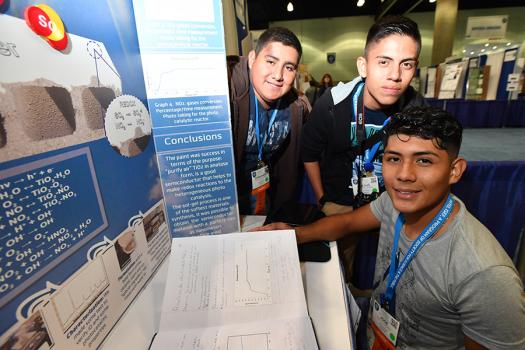
Project CHEM059T: Photocatalytic Ceramic Paint to Purify Air
Fernando Miguel Sanchez Villalobos Jesus Alfonso Martinez Aranda Jose Manuel Elizade Esparaza above: in Monterrey, Mexico
When not producing films, Diane, Laura and Melanie can be found promoting science in other ways.
Following his detention by Chinese authorities, outspoken artist/activist Ai Weiwei transformed the former island penitentiary of Alcatraz into an artistic platform. The exhibition engaged 900,000 visitors about the plight of prisoners of conscience around the world.
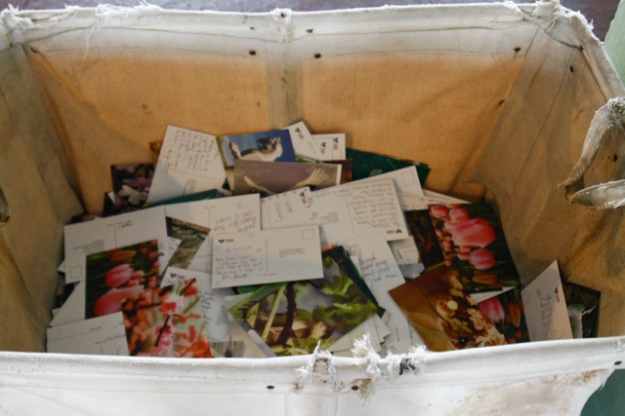
Yours Truly, a piece in the exhibit, invited visitors to compose messages of hope on postcards to prisoners incarcerated or exiled due to their beliefs, affiliations, and nonviolent expressions of dissent. The film follows these postcards around the globe as director Cheryl Haines meets with former prisoners of conscience and their families to discuss their impossible choices and the comfort they found in messages sent by people they would never meet. The film explores Ai Weiwei’s inspiration for the project. Interviews with the artist, his mother, and lifelong friends uncover the touching story of a childhood spent in exile. Ultimately, the film is a call to action, extending the reach of Ai Weiwei’s art by asking viewers to take to heart the issue of global human rights. In Mandarin and English with English subtitles.
More than 50,000 postcards were written by visitors and sent to prisoners of conscience, displaying the national flower or bird of their country.
Michael Kaufman is the co-founder of the WHITE RIBBON CAMPAIGN, the largest international effort of men working to end violence against women. He has worked across North America and in 50 countries with the United Nations, governments, NGOs and businesses, as an adviser and speaker. He is a senior fellow with Promundo, based in Washington, D. C. He is the author, or editor, of 8 books, including CRACKING THE ARMOUR: POWER, PAIN AND THE LIVES OF MEN, and BEYOND PATRIARCHY: ESSAYS BY MEN ON PLEASURE, POWER, AND CHANGE. His latest book is THE TIME HAS COME: WHY MEN MUST JOIN THE GENDER EQUALITY REVOLUTION, published by Counterpoint Press.
In addition we hear from Carey Gillam, author of WHITE WASH: THE STORY OF A WEED KILLER, CANCER, AND THE CORRUPTION OF SCIENCE, to report on the unanimous SF Federal Court jury verdict just yesterday afternoon, on March 19, 2019, determining that Monsanto’s glyphosate based weed-killer, Round-up, was a “substantial factor” in former Gualalla resident Edwin Hardeman’s developing Non-Hodgkins lymphoma.
David Treuer is Ojibwe from the Leech Lake Reservation in northern Minnesota. The author of four previous novels, most recently Prudence, and two books of nonfiction, he has also written for The New York Times, Los Angeles Times, Esquire, Slate, and The Washington Post, among others. He has a Ph.D. in anthropology and teaches literature and creative writing at the University of Southern California.
David Treuer’s latest book, THE HEARTBEAT OF WOUNDED KNEE: NATIVE AMERICA FROM 1890 TO THE PRESENT, is published by Riverhead Books.
Here is an edited extract from The Heartbeat at Wounded Knee: Native America from 1890 to the Present, referenced in this interview, which was published in The Guardian.
Julian Brave NoiseCat is an enrolled member of the Canim Lake Band Tsq’escen in British Columbia. He is a graduate of Columbia University, and received a Clarendon Scholarship to study global and imperial history at the University of Oxford. He was formerly the native issues fellow at The Huffington Post. He writes for The Guardian, The Nation, The Paris Review, CBC, Vice, Pacific Standard, Dissent, Jacobin, Fusion, Indian Country Today, Salon, High Country News, Canadian Geographic, Frontier Magazine, World Policy Journal as well as other publications.
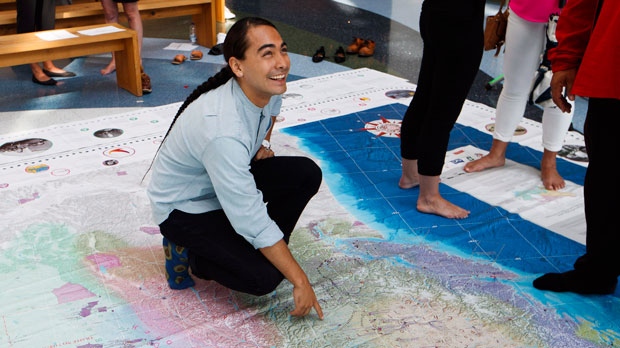
Julian Brave NoiseCat, a contributing editor of the newly unveiled Indigenous Peoples Atlas of Canada, points on a giant map at a launch event in Toronto, Wednesday August 29, 2018. The Indigenous Peoples Atlas of Canada includes a four volume print atlas, an online atlas, an app, and a giant floor map. (THE CANADIAN PRESS/Mark Blinch)









 In particular, Facebook and Google dominate the global internet, resisting meaningful regulation by government.
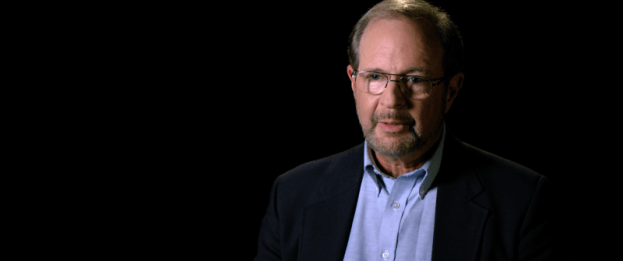 Dr. Robert Epstein had all of his Google apps from email to website abruptly blocked. He found that there was no service department to explain or remediate this violation. He has conducted numerous experiments demonstrating how platforms such as Google can change opinions of voters and consumers to astounding degrees.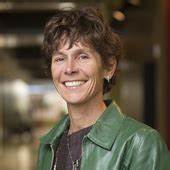
 Sefali is a Green Rhinos Youth Leader in Maipith, Sundarbans, India. After a devastating cyclone hit in 2009, she organized fellow students to plant trees around their homes and school.
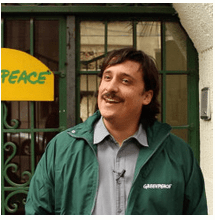 Matias Asun exchanged his job as Director of Greenpeace in Chile to become the Ambassador from the newly proclaimed Republica Glaciar after concluding that the Chilean government had abandoned glaciers. He lobbies the Legislature and pertinent boards to gain protection for them from mining companies and climate disruption.
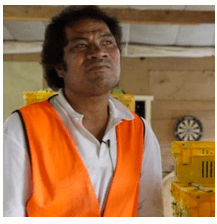 Ioane Teitiota of the island nation of Kiribati was the first person in the world to apply for climate refugee status in New Zealand. Although his island is expected to be completely inundated within 20 years, the Immigration Board ruled that he and his family were not in danger of dying, so they were sent back. Noting that if he were granted asylum on grounds of climate change it would open the floodgate for millions of others ironically confirmed his reason for being granted asylum.
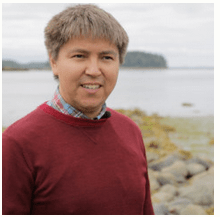 Will Nelson is a biologist and a member of the Metlakatla Stewardship Council. They are engaged in using helicopters to map inter-tidal archeological sites to document their heritage in present day British Columbia, which they have maintained for at least the past 14,000 years. Structures such as clam gardens and clam middens establish their long-standing claims to the land to protect sensitive coastal areas from development.



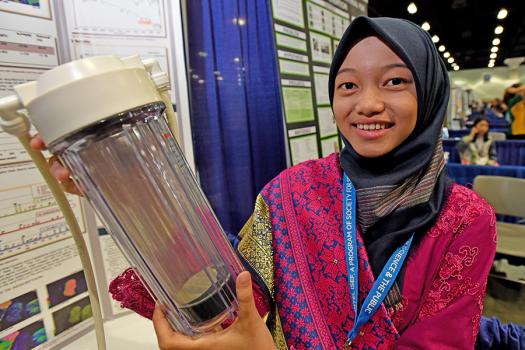 Project ENEV063T: Bangka’s Tin Sea Sand-Fe3O4 as a Removal of Heavy Metals in By-Product of Tin Ore Processing (above): Intan Utami Putri
Shofi Latifa Nuha Anfaresi
Banka, Indonesia
Project ENEV063T: Bangka’s Tin Sea Sand-Fe3O4 as a Removal of Heavy Metals in By-Product of Tin Ore Processing (above): Intan Utami Putri
Shofi Latifa Nuha Anfaresi
Banka, Indonesia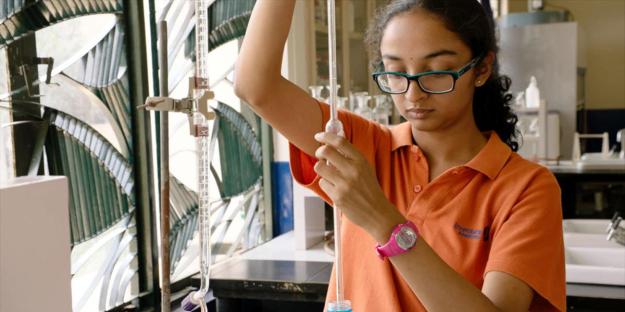
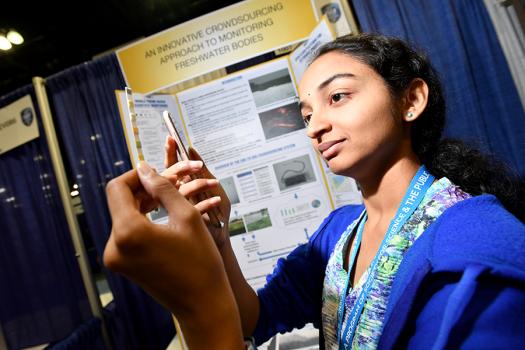 Project EAEV008 – An Innovative Crowdsourcing Approach to Monitoring Freshwater Bodies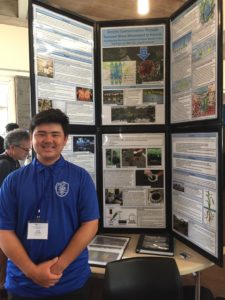
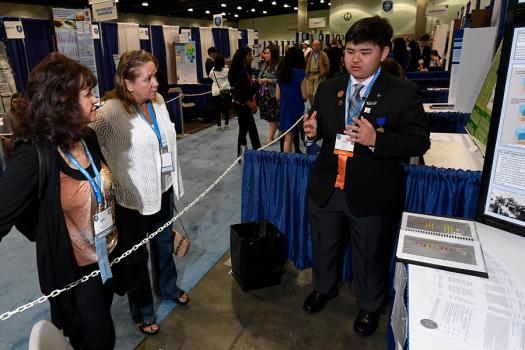 Project EAEV018 – Arsenic Contamination through Tsunami Wave Movement in Hawaii: Investigating the Concentration of Heavy Metals in the Soil from the 1960 Hilo, Hawaii Tsunami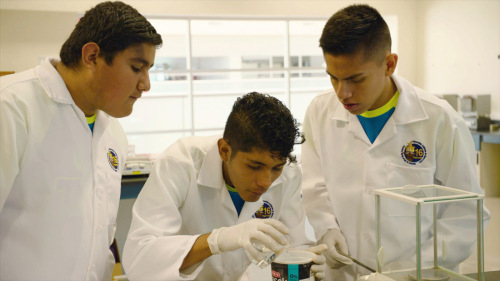










 Forthright Radio