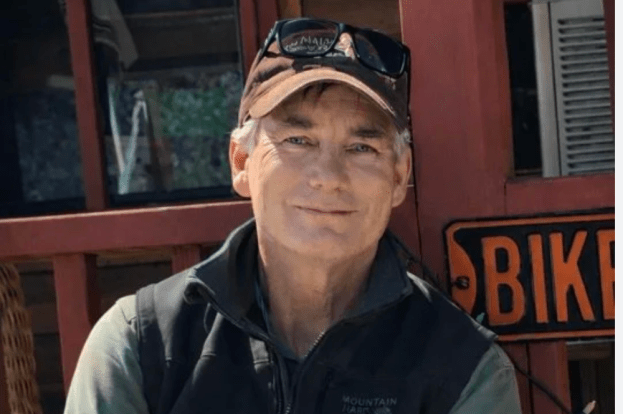
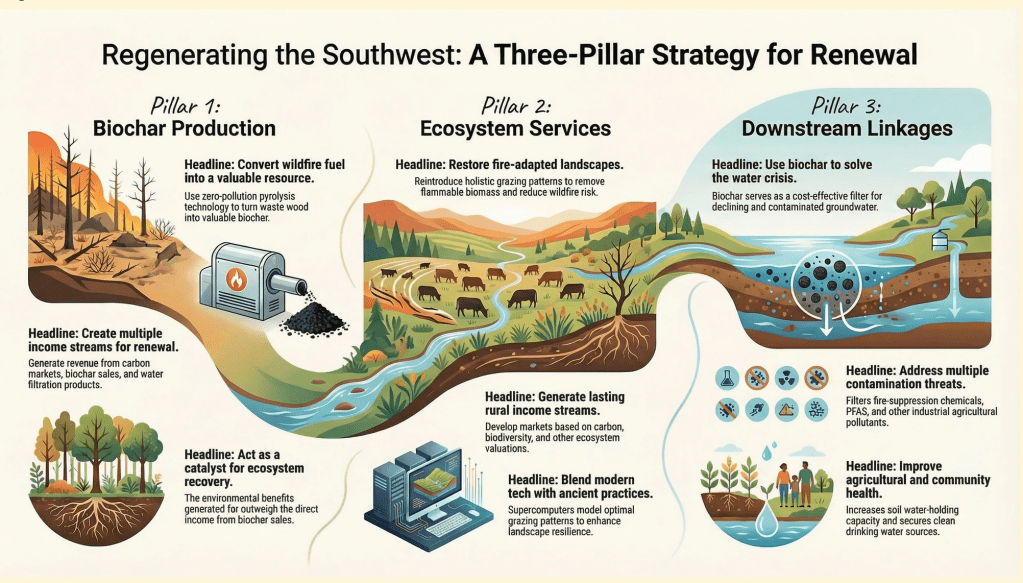
Dr. Charles G. Curtin is the director of Regenerative Conservation Design.
He is the author of The Science of Open Spaces: Theory and Practice for Conserving Large, Complex Systems and the coeditor of Complex Ecology: Foundational Perspectives on Dynamic Approaches to Ecology and Conservation. His latest book is PLACE-BASED SOLUTIONS: THE POWER OF REGENERATIVE THINKING IN THE FACE OF CRISIS, published by Johns Hopkins University Press. His books explore the intersection of ecology and culture and focus on how the word’s messiness leads to uncertainty and unexpected outcomes, and what to do about it.
Not merely a world renowned ecologist with conservation collaborations including cross-cultural conservation exchanges from the Middle East and Africa to the fisheries of Maine. His Two-Cowboys Project involves cross-continent learning networks between Maasai pastoralists in Kenya and US ranchers in the New Mexico/Arizona and Mexico borderlands, as well as Montana’s Blackfoot Challenge. The Crown of the Continent Partnership is a collaboration project on the borders of Montana, Alberta, British Columbia and the Salish and Kootnai Confederation. You can find out more about this ecosystem here: https://www.crownmanagers.org/about-the-crown
We spoke to him via Zoom from his home in Ranchos de Taos, NM on March 23, 2026.
Today’s show is in two parts. First, longtime friend of Forthright Radio, scholar, public intellectual, McMaster University Chair for Scholarship in the Public Interest, and The Paulo Freire Distinguished Scholar in Critical Pedagogy, Henry Giroux, joins us again to discuss many issues facing our nation and the world – from the increasing militarization of America at home and on the seas, to the young people he teaches who are rising to the challenges of becoming effective cultural producers in this era unlike any in human history.
In the last part of the show Nate Bellinger, Our Children’s Trust’s Supervising Senior Staff Attorney, shares with us about the latest in the recent federal district court decision that Federal District Dourt Judge Dana Christenson rendered on October 16, 2025, in the Lighthiser v Trump case, and their on-going legal efforts representing their youth plaintiffs suing for a livable climate.
In the KZYX pledge drive show, we read this poem by Yevgeny Yevtushenko:
Talk
You’re a brave man they tell me. I’m not. Courage has never been my quality. Only I thought it disproportionate so to degrade myself as others did. No foundations trembled. My voice no more than laughed at pompous falsity; I did no more than write, never denounced, I left out nothing I had thought about, defended who deserved it, put a brand on the untalented, the ersatz writers (doing what anyhow had to be done). And now they press to tell me that I’m brave. How sharply our children will be ashamed taking at last their vengeance for these horrors remembering how in so strange a time common integrity could look like courage.
by Yevgeny Yevtushenko Translated by Robin Milner-Galland and Peter Levi
Lately I have been thinking a lot about ecologist and one time presidential candidate, Barry Commoner, and his Four Laws of Ecology, which he enumerated in his 1971 book, THE CLOSING CIRCLE. They are:
Everything is connected to everything else. There is only one Ecosphere for all living organisms, and what affects one affects all.
Everything must go somewhere. There is no “waste” in Nature, and there is no “away” to which things can be thrown.
Nature knows best. Humankind has fashioned technology to improve upon Nature, but such change in a natural system is likely to be detrimental to that system.
There is no such thing as a free lunch. Exploitation of Nature will inevitably involve the conversion of resources from useful to useless forms.
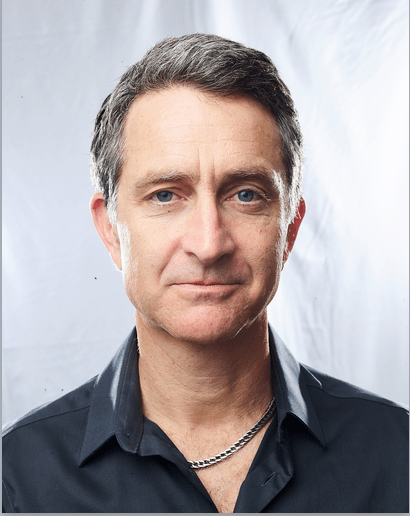
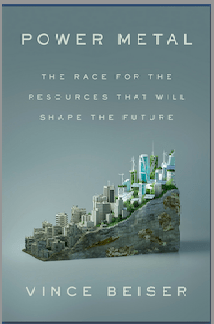
Our guest on this edition of Forthright Radio, award winning author and journalist, Vince Beiser, begins his latest book, POWER METAL: THE RACE FOR THE RESOURCES THAT WILL SHAPE THE FUTURE, with the statement, “There is no such thing as clean energy,” so I thought it would be good to find out more about his reporting from “over 100 countries, states, provinces, kingdoms, occupied territories, no man’s lands and disaster zones. He has exposed conditions in California’s harshest prisons, trained with US Army soldiers, ridden with the first responders to natural disasters, and hunted down other stories from around the world.”
His earlier book, The World in a Grain: The Story of Sand and How It Transformed Civilization, was a finalist for the PEN/E. O. Wilson Literary Science Writing Award. As well as A California Book Award. He has written for the Oakland Tribune, The LA Times, Village Voice, The Nation and Rolling Stone, as well as being the former senior editor of Mother Jones. We spoke with Vince Beiser from his home in Vancouver, British Columbia, via Skype.
POWER METAL: THE RACE FOR THE RESOURCES THAT WILL SHAPE THE FUTURE is published by Riverhead Books. Vince Beiser also writes on Substack, which you can access here: https://powermetal.substack.com
Due to time limitations, we were not able to discuss his chapter, “New Lives for Old Things,” on the Right to Repair movement. In it he writes about a couple of Cal Poly Tech students, who became so incensed at products designed to preclude owners from repairing them that they created a website iFixit, which hosts a free online repository of more than 103,000 do it yourself repair manuals for some 54,000 separate products. Here is a link: https://www.ifixit.com/
During the broadcast, I referred to the recent 5-2 Montana Supreme Court opinion, which upheld a permit the Montana Department of Natural Resources and Conservation issued to Tintina Montana Incorporated (now Sandfire Resources) to manipulate approximately 250 millions gallons of groundwater in pursuit of a 14 million-ton copper deposit in Meagher County, and which environmentalists fear will endanger the pristine Smith River. I misspoke, mentioning the transnational Rio Tinto mining company instead of Tintina Montana Incorporated.
On December 18, 2024 in a 6-1 ruling, The Montana Supreme Court upheld District Court Judge Kathy Seeley’s verdict in favor of the 16 Youth Plaintiffs in the Held v State of Montana case. They had sued the state for violations of their rights to a clean and healthful environment under the Montana State Constitution.
Melissa Hornbein Western Environmental Law Center
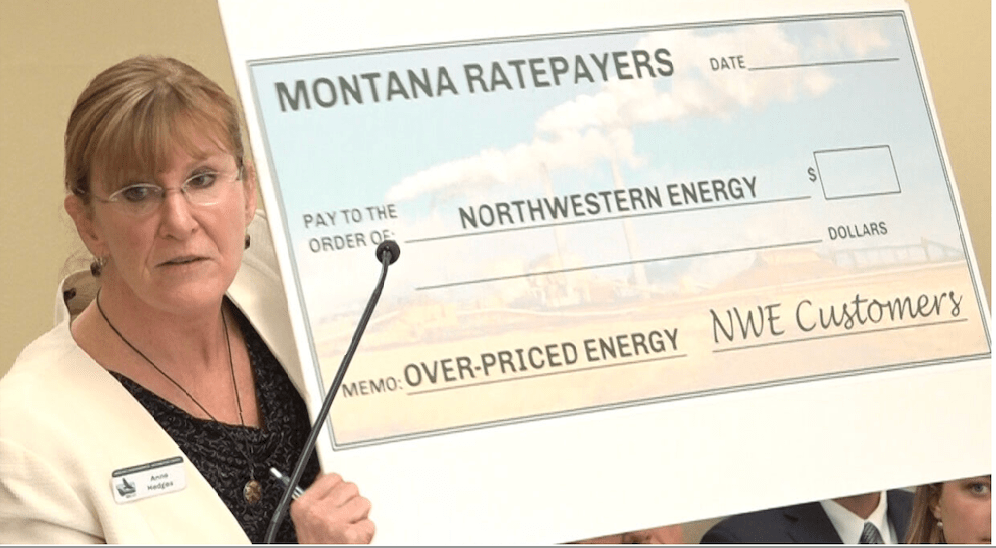
After the ruling, I invited Western Environmental Law Center attorney, Melissa Hornbein, a member of the plaintiffs’ legal team, and Anne Hedges of the Montana Environmental Information Center, whose lawsuits over the decades were cited by Chief Justice Mike McGrath’s opinion, and who had been an expert witness during the trail.
Anne Hedges Montana Environmental Information Center
Below are links to our coverage during the June 2023 trial, as well as other articles, etc. pertinent to the case and our interview.
This edition of Forthright Radio features two university professors whose books were published this month by the University of CA Press.
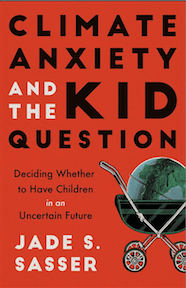
First, we hear from University of California Riverside’s Department of Gender and Sexuality Studies Professor, Jade Sasser, about her latest book, CLIMATE ANXIETY AND THE KID QUESTION: Deciding Whether to Have Children in an Uncertain Future. Her award-winning 2018 book, On Infertile Ground: Population Control and Women’s Rights in the Era of Climate Change, analyzed the shifting role of environmentalists in shaping activism and international policy advocacy focused on population, reproductive rights, and reproductive justice. In CLIMATE ANXIETY AND THE KID QUESTION, she investigates the impacts of climate change, racial injustice, and other existential threats, on reproductive decisions.
In our second half, we welcome back George Washington University’s Herbert S. Hadley Professor of Social Welfare, Mark Rank, whose book THE RANDOM FACTOR: How Chance and Luck Profoundly Shape Our Lives and the World Around Us, was published just this week. His research and teaching have focused on poverty, social welfare, economic inequality, and social policy.
The United States military has been aware of the escalating dangers of catastrophic climate disruption longer than most other branches of government. In spite of Donald Trump’s quick rescinding of Barack Obama’s Executive Order 13653, issued in 2013, “Preparing the US for the Impact of Climate Change,” the military has quietly continued to do just that.
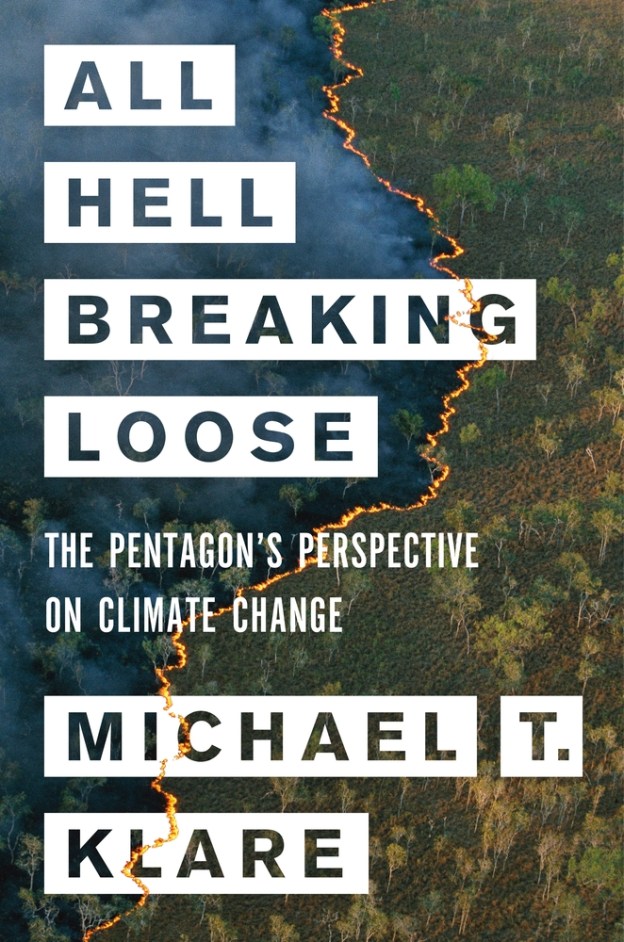
In his latest meticulously researched book, All Hell Breaking Loose: The Pentagon’s Perspective on Climate Change, the Five College Professor Emeritus of Peace and World Security Studies at Hampshire College and senior visitiing fellow at the Arms Control Association, Michael T. Klare, shows that the US military considers climate change a danger on several fronts at once.
With charts and maps he demonstrates that globally and nationally, we are vulnerable to increasing disruptions from climate change:
A map identifying military bases that have reported problems from heavy flooding, extreme temperatures, prolonged drought, and other climate impacts. (from All Hell Breaking Loose: The Pentagon’s Perspective on Climate Change Metropolitan Books)
Increasing water scarcity as the river systems sourced in the glaciers of the Himalayan watershed is a major concern affecting nuclear armed nations China, India and Pakistan. (from All Hell Breaking Loose: The Pentagon’s Perspective on Climate Change Metropolitan Books)
As the Arctic sea ice disappears the geopolitics of the region are in flux as never before in human history with potential of conflict among major powers such as Russia, China and the US. ((from All Hell Breaking Loose: The Pentagon’s Perspective on Climate Change Metropolitan Books)
Christopher Ketcham has been a freelance writer for more than 20 years. His articles have been published in Harper’s, CounterPunch, National Geographic, Hustler, Penthouse, the New York Times, Pacific Standard, Sierra, Earth Island Journal, Vanity Fair, The New Republic, Rolling Stone, Mother Jones, Salon, and many other websites and newspapers large and small. He was a Knight Science Journalism Fellow at MIT in 2015-16, and he is currently a MacDowell Colony writing fellow in New Hampshire, whence he spoke to us. THIS LAND: HOW COWBOYS, CAPITALISM, AND CORRUPTION ARE RUINING THE AMERICAN WEST, published by Viking, is his first book.
THIS LAND: HOW COWBOYS, CAPITALISM, AND CORRUPTION ARE RUINING THE AMERICAN WEST is a hard hitting look at the battle now raging over the fate of the public lands in the American West.
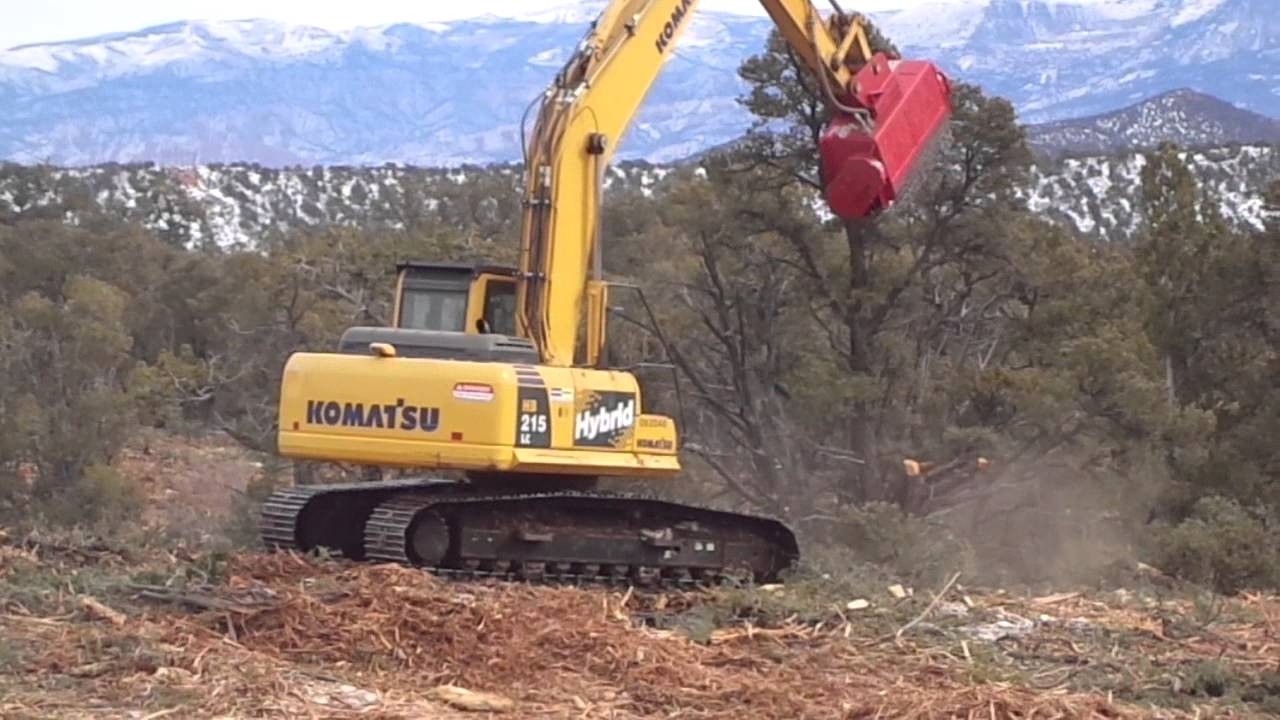
An area of ancient pinyon and juniper forests larger than the state of Vermont, adapted over eons to the arid lands of the west, is being destroyed by machines such as these – turned into mulch for the planting of seeds of invasive species for forage for the most destructive invasive specie, Bos taurus, cows.
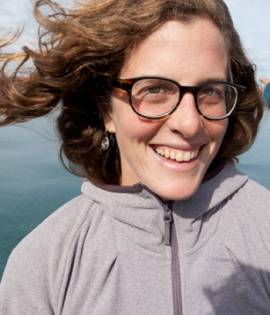
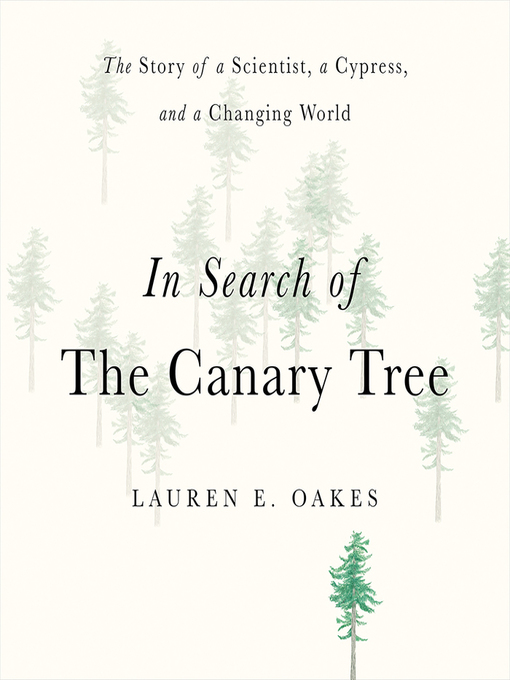
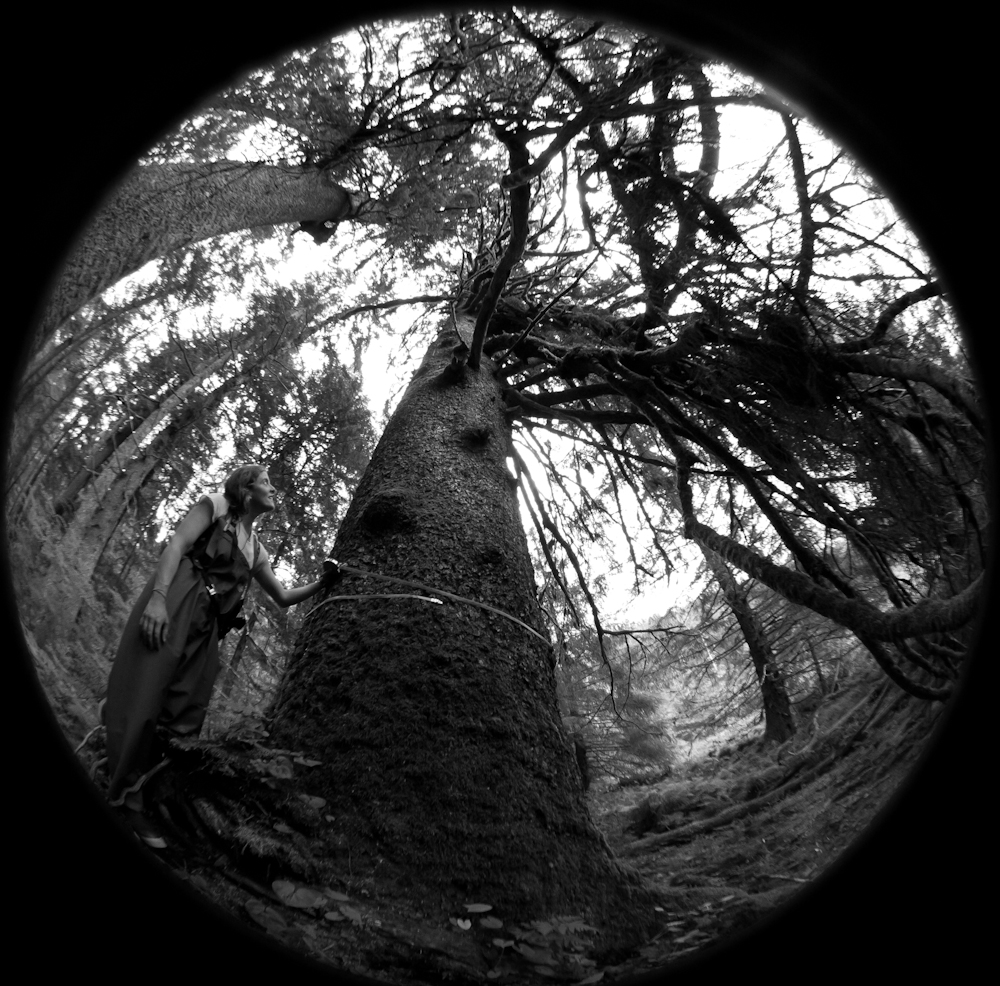
IN SEARCH OF THE CANARY TREE: THE STORY OF A SCIENTIST, A CYPRESS, AND A CHANGING WORLD, published by Basic Books, chronicles the six years Lauren E. Oakes, PhD, spent beginning in 2010, as a young Stanford University scientist, doing doctoral research in South East Alaska, studying the mysterious die-back of ancient yellow cedar trees. Hers was a multi-disciplinary approach. In addition to the grueling field work studying thousand of trees, and countless other plants in the changing forests, she also interviewed local folks, including native Tlingit weavers, timber operators, other scientists, and just regular folks who enjoy the forests for recreation. There were many surprises along the way, which she shares with us in this interview.
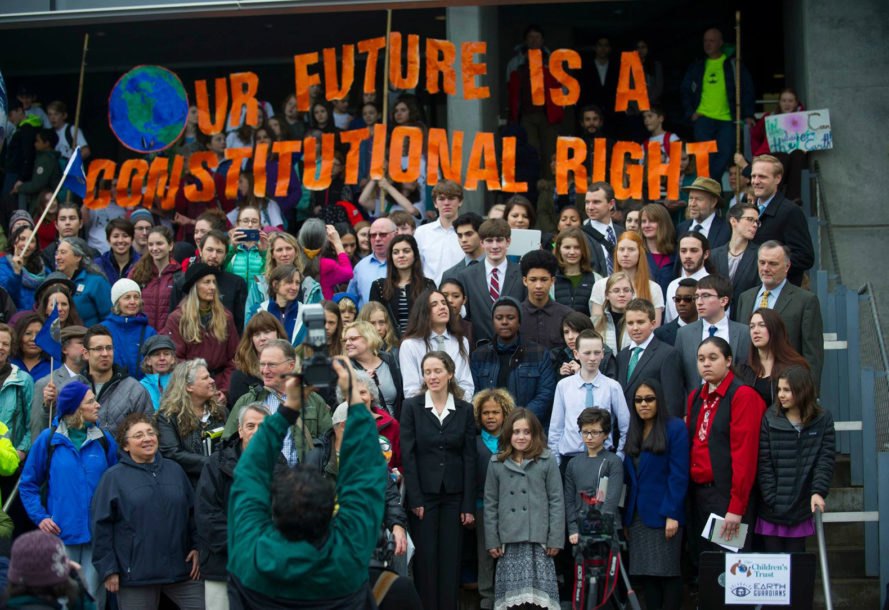
In this edition of Radio Goes to the Movies, we speak with Bozeman resident, Christi Cooper, about her years of work documenting the increasingly powerful movement of young people, who are challenging the U.S. Government and the fossil fuel industry for violation of their Constitutional rights under the Fifth Amendment to Life, Liberty and Property.
Her film, a work in progress, YOUTH V. GOV, screens at the BZN International Film Festival on June 9 at the Willson Auditorium at 7:45 p.m. Victoria Barrett, a 19-year-old college student from White Plains, NY, who is one of 21 youth plaintiffs suing the U.S. government in the landmark constitutional climate change lawsuit, will also be attending for a discussion afterwards.
In this groundbreaking civil rights lawsuit, guided by Julia Olson, their lead attorney, 21 American youth take the US government and the fossil fuel industry to court for creating a climate emergency that threatens the future of the youngest generations.
This is not the typical climate change film. YOUTH V GOV brings a new perspective not yet explored. And in the end, YOUTH V GOV will activate youth, millennials, and adults to engage as citizens and to lean heavily on the pillars of democracy that we rely on for the future of our country and the world.
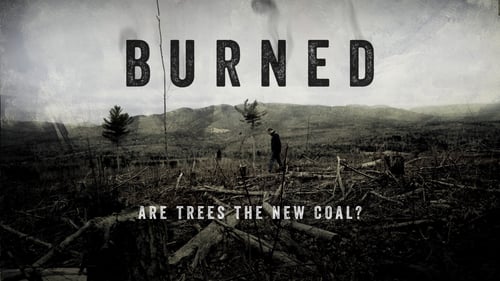
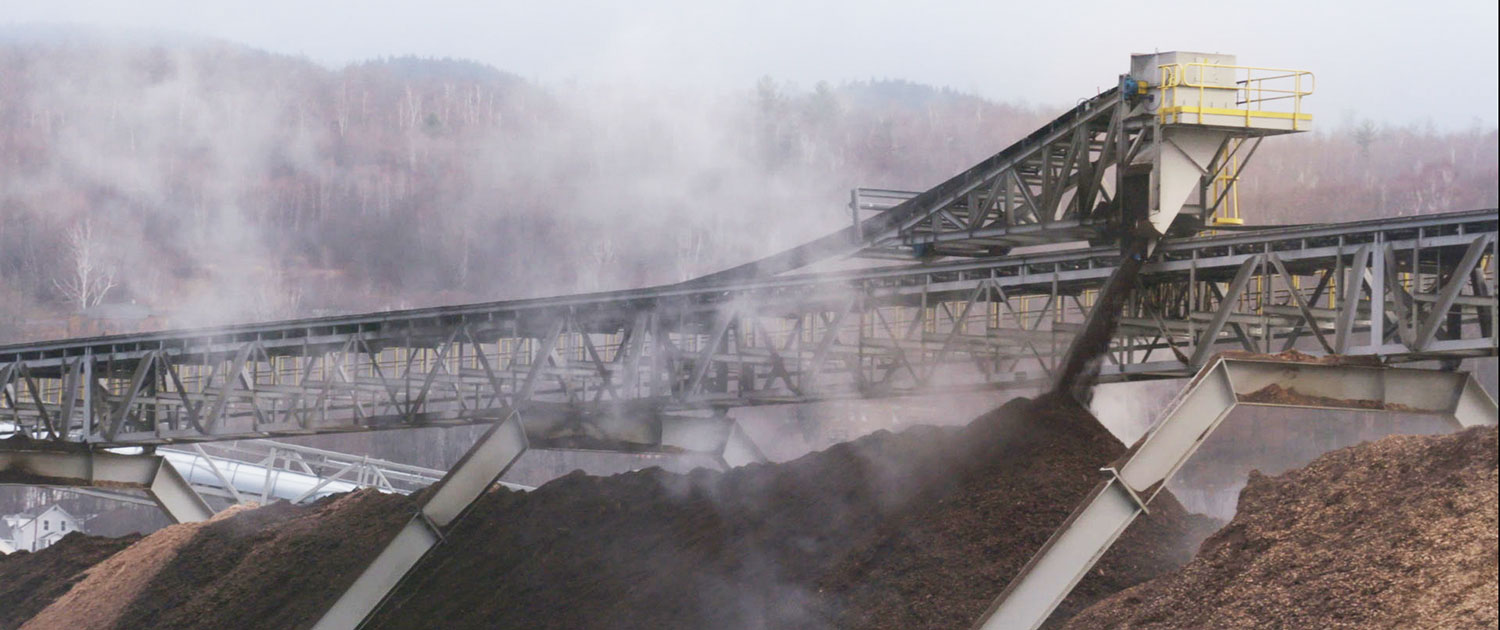
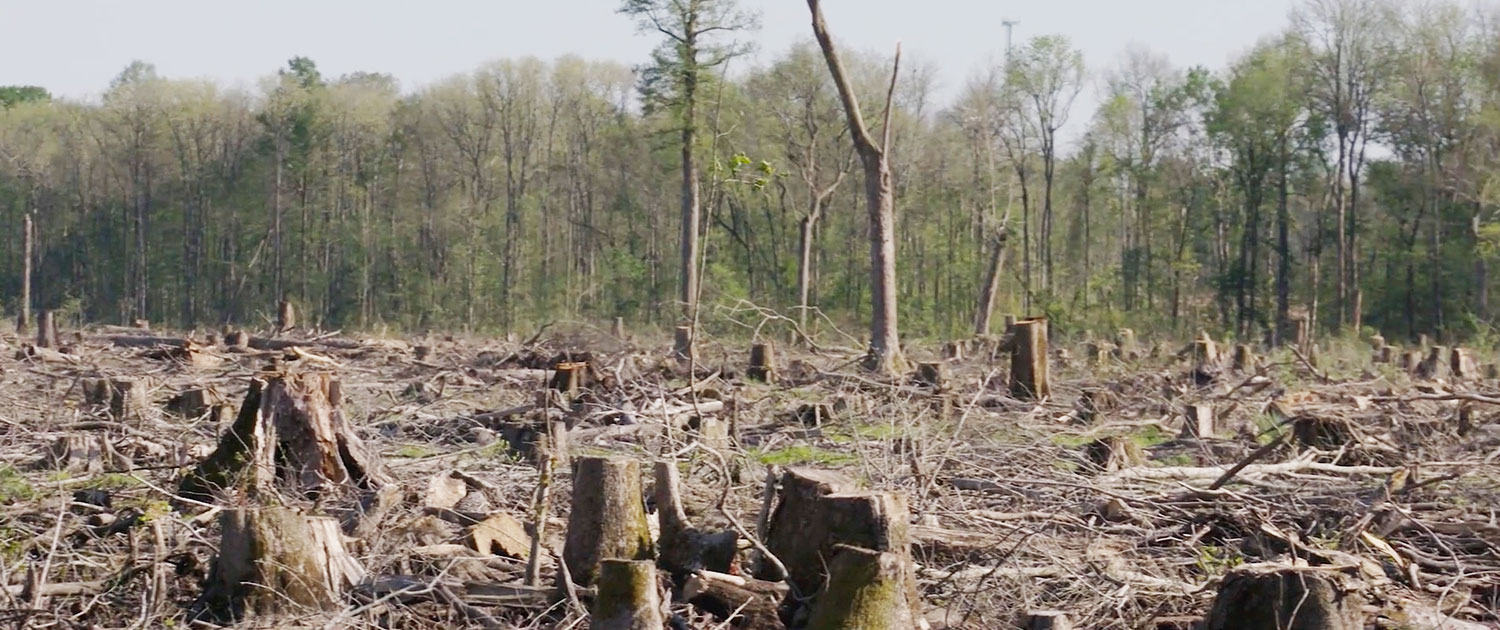
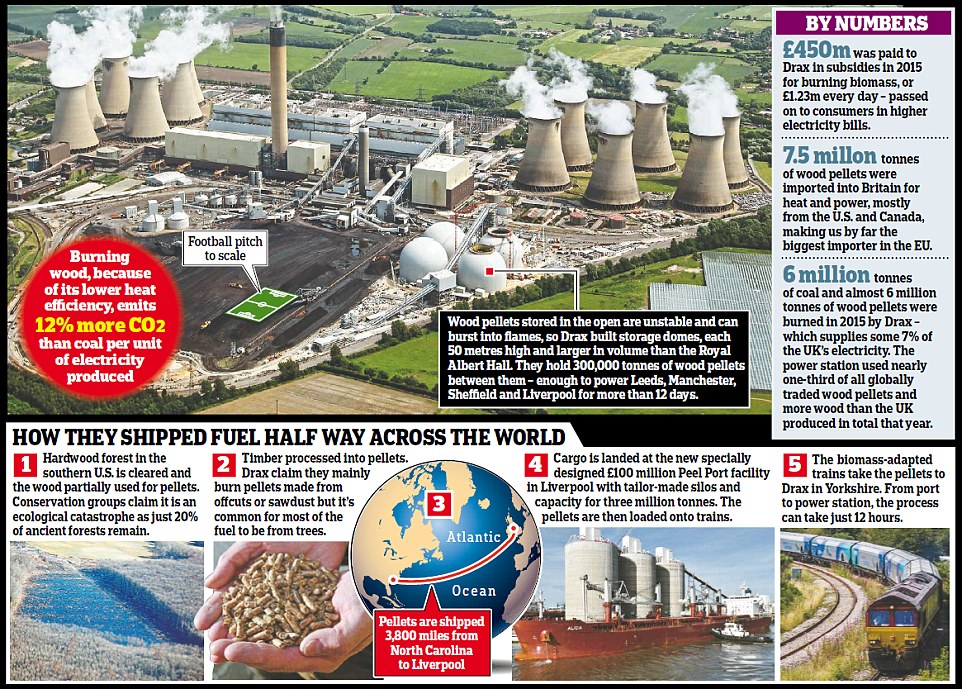
BURNED: ARE TREES THE NEW COAL? tells the little-known story of the accelerating destruction of our forests for fuel, and probes the policy loopholes, huge subsidies, and blatant green-washing of the burgeoning biomass power industry.
A dedicated group of forest activists, ecologists, carbon scientists, and concerned citizens fight to establish the enormous value of our forests, protect their communities, debunk this false solution to climate change, and alter energy policy both in the US and abroad. The directors/producers of BURNED, Alan Dater & Lisa Merton say, “It’s not too late.”
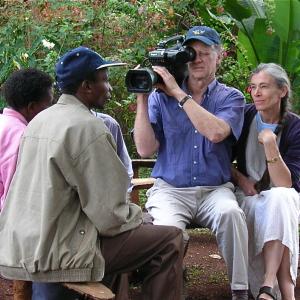
Alan Dater has decades long experience in many different aspects of film making, working on such films as “Johnny Cash! The Man, His World, His Music”; Emmy Award winning TV medical series, as well as National Geographic Specials. He moved to Vermont in the 1970s, where he started Marlboro Productions.
Lisa Merton joined him in 1989. Together, she & Alan have co-directed/produced such films as HOME TO TIBET, about a Tibetan refugee’s return to his homeland, and TAKING ROOT: THE VISION OF WANGARI MAATHAI, founder of the Green Belt Movement of Kenya, & the first environmentalist, as well as African woman, to win the Nobel Peace Prize. It won numerous international awards. Since 1996, Lisa has been a member of New Day Films, a documentary film collective.







 A map identifying military bases that have reported problems from heavy flooding, extreme temperatures, prolonged drought, and other climate impacts. (from All Hell Breaking Loose: The Pentagon’s Perspective on Climate Change Metropolitan Books)








 Forthright Radio