

Two judges… two tribes… one goal: restoring justice.

The Honorable Abby Abinanti
Abby Abinanti, Chief Judge of the Yurok Tribe on the North Coast of California, is the first Native American woman to pass the California bar exam. She established the first tribal-run clean slate program in the country to help members expunge criminal records, and focuses on keeping young people out of jail, in school and with their people. She has also served as Appellate Judge for the Colorado River Indian Tribe; Judge for the Hopi Tribal Court and Shoeshone-Bonnock Tribal Court; Chief Magistrate on the Court of Indian Offenses for the Hoopa Valley Tribal Court; and Tribal Courts Evaluator for the Indian Justice Center and the American Indian Justice Center.

The Honorable Claudette White
Judge White has served as Chief Judge for the Quechan Tribal Court since 2005. She also rides circuit, serving in tribal courts throughout Southern Arizona and California, including the Fort McDowell Indian Community, Ak-Chin Indian Community, Salt River Pima Maricopa Indian Community and Tonto Apache Tribal Courts. She is President of the Arizona Indian Judges Association, and is a member of the Arizona Tribal, State and Federal Court Forum and the newly formed California Tribal Court/State Court Forum. She works closely with families, state court judges, probation officers and social workers to ensure the best outcomes for families and children.
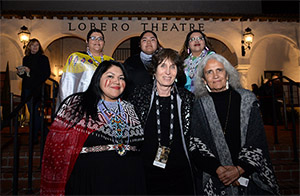
Anne Makepeace has been a writer, producer, and director of award-winning independent films for more three decades. Her new film, Tribal Justice, premiered at the Santa Barbara International Film Festival just this past February 2017. Her previous documentary, We Still Live Here: Âs Nutayuneân, about the return of the Wampanoag language, had its broadcast premiere on the PBS series Independent Lens in 2011. The film has won many awards, including the Full Frame Inspiration Award and the Moving Mountains Award at Telluride MountainFilm for the film most likely to effect important social change. The $3000 MountainFilm prize went directly to the Wampanoag Language Reclamation Project, enabling them to launch their first-ever language immersion camp for children. We Still Live Here was funded by ITVS, the Sundance Documentary Fund, the LEF Foundation, and the National Science Foundation, among others. Makepeace was able to complete the film with fellowships from the Guggenheim Foundation and the Radcliffe Institute for Advanced Study. Other recent films by Anne Makepeace include: I. M. PEI: Building China Modern ,(PBS broadcast on American Masters in 2010), and her Emmy nominated feature documentary Rain in a Dry Land (lead show on PBS P.O.V. 2007), which chronicled the journey and resettlement of two Somali Bantu refugee families from Africa through their first two years in America. She won a National Prime Time Emmy for her American Masters/PBS documentary Robert Capa in Love and War, which premiered at Sundance in 2003. Coming to Light, her documentary about Edward S. Curtis, also premiered at Sundance, was short-listed for an Academy Award in 2000, broadcast on American Masters in 2001, and won many prizes, including the O’Connor Award for Best Film from the American Historical Association, an Award of Excellence from the American Anthropological Association, a Gold Hugo from Chicago, Best Documentary at Telluride, and many others. Her first documentary, Baby It’s You, premiered at Sundance, was broadcast as the lead show on P.O.V. in 1998, and screened at the Whitney Biennial 2000.

Yurok Tribal Judge Abby Abinanti with Humboldt County Judge Christopher Wilson

Quechan Tribal Judge Claudette White & Imperial County Judge Juan Ulloa

Judge Abby Abinanti presiding in the Yurok Tribal Court.
“The tribal courts both incorporate traditional values and hold up an example to the nation about the possibilities of alternative dispute resolution. [They] have much to offer to the tribal communities, and much to teach the other court systems operating in the United States. ” —
The Honorable Sandra Day O’Connor, former Supreme Court Justice
A California Law School Reckons With the Shame of Native Massacres https://www.nytimes.com/2021/10/27/us/hastings-college-law-native-massacre.html




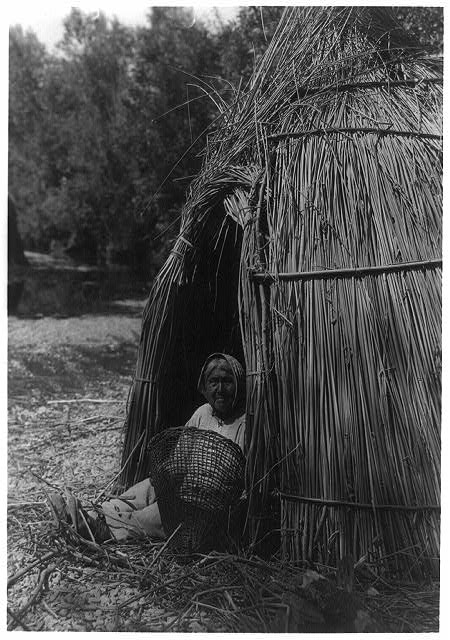
 The place we now call CA, was unknown to non-Indians until March 1543, when Spaniards first explored the coast, but it wasn’t until 226 years later, in 1769, that Spain sent soldiers and Franciscan missionaries north from Mexico to colonize it, to preempt British, Dutch and Russian expansion, and to protect northern Mexico’s silver mines. At that time, there were about 310,000 native people living there, which seems small compared to California’s current population of almost 40 million, but he writes that it was actually the densest native population north of Mexico in North America. We began by discussing this pre-European CA population, and how they lived on the land.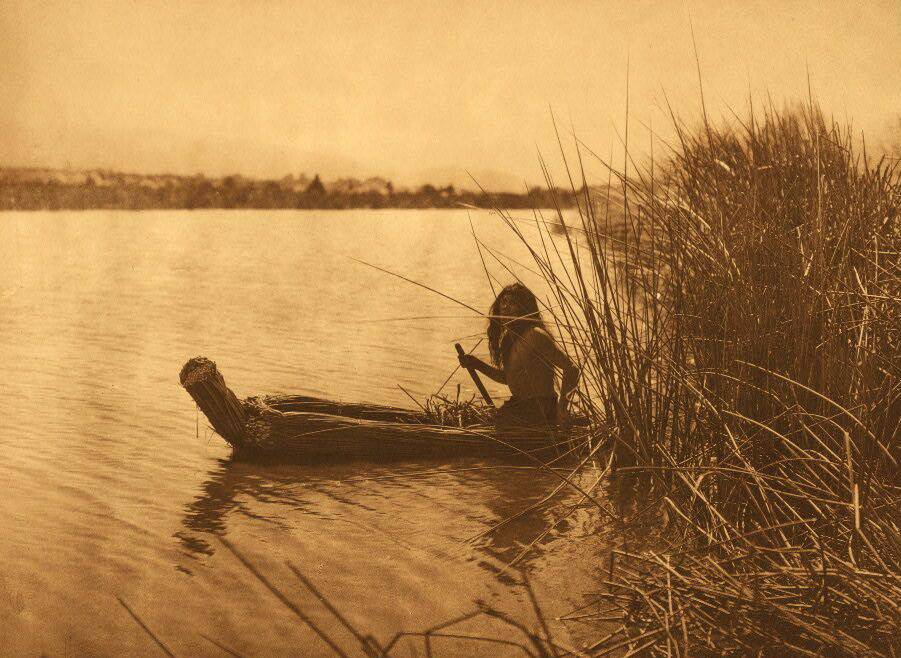
 The Mendocino Indian Reservation was discontinued in March 1866 and the land opened for settlement 3 years later.

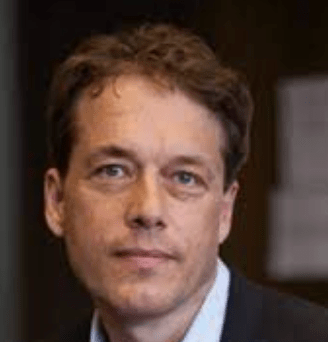

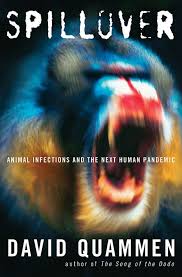
 Among the questions he investigates are: Why do new diseases emerge when they do, where they do, as they do, and not elsewhere, other ways, at other times? Is it happening more now than in the past? And perhaps the biggest question: What sort of deadly bug, with what unforeseen origins and what inexorable impacts, will emerge next?


 Forthright Radio