This edition of Forthright Radio was originally broadcast on October 4, 2017, the 60th anniversary of the launching by the Soviet Union of Sputnik 1, the first artificial Earth satellite, which triggered the Space Race.
Our guest today, Professor Alfred McCoy, writes of this and much more about the history for global dominance in his latest book, IN THE SHADOWS OF THE AMERICAN CENTURY: THE RISE AND DECLINE OF US GLOBAL POWER, just published by Haymarket Books.
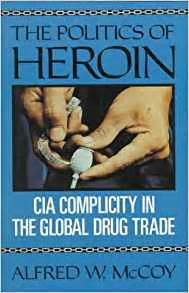
Alfred McCoy, who holds the Harrington Chair in History at the University of Wisconsin – Madison, has been shaking up our understanding and beliefs about the role of the United States in the world since 1970, when he co-edited LAOS: WAR AND REVOLUTION .
His research led him to publish THE POLITICS OF HEROIN IN SOUTHEAST ASIA, in 1972, which led to his testifying before the foreign operations subcommittee of the Senate Appropriations Committee in June of that year about the role of the CIA in the production and distribution of heroin. Among his numerous other books are POLICING AMERICA’S EMPIRE: THE UNITED STATES, THE PHILIPINES AND THE RISE OF THE SURVEILLANCE STATE; A QUESTION OF TORTURE: CIA INTERROGATION, FROM THE COLD WAR TO THE WAR ON TERROR. In 2012 Yale University awarded him the Wilbur Cross Medal for work as “one of the world’s leading historians of Southeast Asia and an expert on … international political surveillance.”
In this interview, we discuss the geopolitics of global dominance; the covert netherworld of U.S. government agencies colluding with international drug cartels at the same time the military ineffectively attempts to eradicate opium production in Afghanistan; the rapid rise of China as a dominant force; cyberwarfare; the vulnerability of our and much more.
Our guest is Professor Nancy MacLean. We discuss her latest book, DEMOCRACY IN CHAINS: THE DEEP HISTORY OF THE RADICAL RIGHT’S STEALTH PLAN FOR AMERICA, published by Viking Press. It is a thoroughly researched, to my mind shocking, exposé of the man and the ideas behind the billionaire-funded, relentless campaign to suppress voting, privatize everything from education, prisons, social security and Medicare, eliminate unions, curb democratic majority rule and change the US Constitution in order to make democracy safe for capitalism and plutocracy. Most reporting of the rise of the extreme right focuses on the Koch brothers and their money – but who created the blue print for their decades long, stealth campaign that has been all too successful – at least so far? Our guest, Nancy MacLean, has spent a decade investigating the origins, tactics, strategies and goals, of that campaign, that have brought us to this crisis point in our history.
Nancy MacLean is the William Chafe Professor of History and Public Policy at Duke University. She is the award winning author of BEHIND THE MASK OF CHIVALRY: THE MAKING OF THE SECOND KU KLUX KLAN and FREEDOM IS NOT ENOUGH: THE OPENING OF THE AMERICAN WORKPLACE. Professor MacLean’s scholarship has received more than a dozen prizes and awards. In 2010, she was elected a fellow of the Society of American Historians.
White supremacists clash with counter-protesters in Charlottesville, Virginia, August 12, 2017. (Sipa via AP Images)
The first recording above is from our interview with Mark Bray from 2017. The second recording is from October 19, 2025 after he and his family fled the United States to Spain after receiving credible death threats.
As we reported last week , Rutgers University Professor Mark Bray was attempting to leave the US out of fear for his and his family’s lives after receiving numerous death threats, when their reservations were mysteriously cancelled at the gate to their flight at the Newark International Airport. They are now safely in Spain.
We spoke with Mark Bray in mid September 2017, soon after the Charlottesville white supremacist rally, when his book, Antifa: The Antifascist Handbook was published. We share that interview with you now, but first excerpts from The Democracy Now interview with him from October 15, 2025.
You will notice the difference in pronunciation of the term. Professor Bray and I use the pronunciation ANTI-fa, because it stands for ANTI fascism. An-TI– fa obscures that meaning, and sounds vaguely and perhaps ominously foreign, even un-American. But too many American lives were lost fighting fascism in the 20th century both in World War Two, and in the 1930s, when American anti-fascists organized themselves into the Abraham Lincoln Brigade to fight the anti-Republican, fascist Franco forces, for us to betray their memory and sacrifices now. Those who survived and returned to the US were labeled premature antifascists.
With us for the hour is Mark Bray, whose book, ANITFA: THE ANTI-FASCIST HANDBOOK, published by Melville House Publishing, came out on August 22, 2017 – one week after the incidents in Charlottesville, VA, in which Neo-Nazis, KKK, and other white supremacists, wreaked havoc, including the death of Heather Heyer and the injury of 19 others, when one of them drove his car into a crowd of counter demonstrators at high speed. White nationalist demonstrators use shields as they guard the entrance to Lee Park in Charlottesville, Virginia. Photograph: Steve Helber/AP
As has been happening since the inauguration of Donald Trump in January, 2017, media attention has been focusing on a formerly obscure network, Anti-fa, or Anti-fascist Action, and in particular their tactics of property damage, physical violence and what some consider un-American interference with free speech on college campuses. But beyond the sound bites, disturbing photos and videos taken out of any meaningful historical context, just what IS Anti-fa?
Neo-Nazis and white supremacists march in Charlottesville on 11 August. The rally and subsequent death of a counter-protester were decried as real-world consequences of far-right online movements. Photograph: Samuel Corum/Anadolu Agency/Getty Images
Mark Bray is an historian of human rights, terrorism, and political radicalism in Modern Europe. He completed his PhD in Modern European and Women’s and Gender History at Rutgers University in 2016, and is currently finishing his manuscript “The Anarchist Inquisition: Terrorism and the Ethics of Modernity in Spain, 1893-1909.” “The Anarchist Inquisition” explores the emergence of groundbreaking human rights campaigns across Europe and the Americas in response to the Spanish state’s brutal repression of dissent in the wake of anarchist bombings and assassinations. He teaches at Dartmouth College, where his recent statements about Anti-fa have generated a good deal of controversy, with Dartmouth’s president denouncing them and more than 100 professors denouncing the denouncing. Mark Bray is the author of Antifa: The Anti-Fascist Handbook (Melville House, 2017) and Translating Anarchy: The Anarchism of Occupy Wall Street (Zero Books, 2013), as well as the co-editor of the forthcoming Francisco Ferrer and the Modern School (PM Press, 2018).
From left: Rev. Osagyefo Sekou, Lisa Sharon Harper, Rev. Carlton Smith, Cornel West, and others (including Seth Wispelwey wearing a white robe and red stole) protesting white supremacy in Charlottesville. CREDIT: Heather Wilson, @aNomadPhotog / Dust & Light Photo
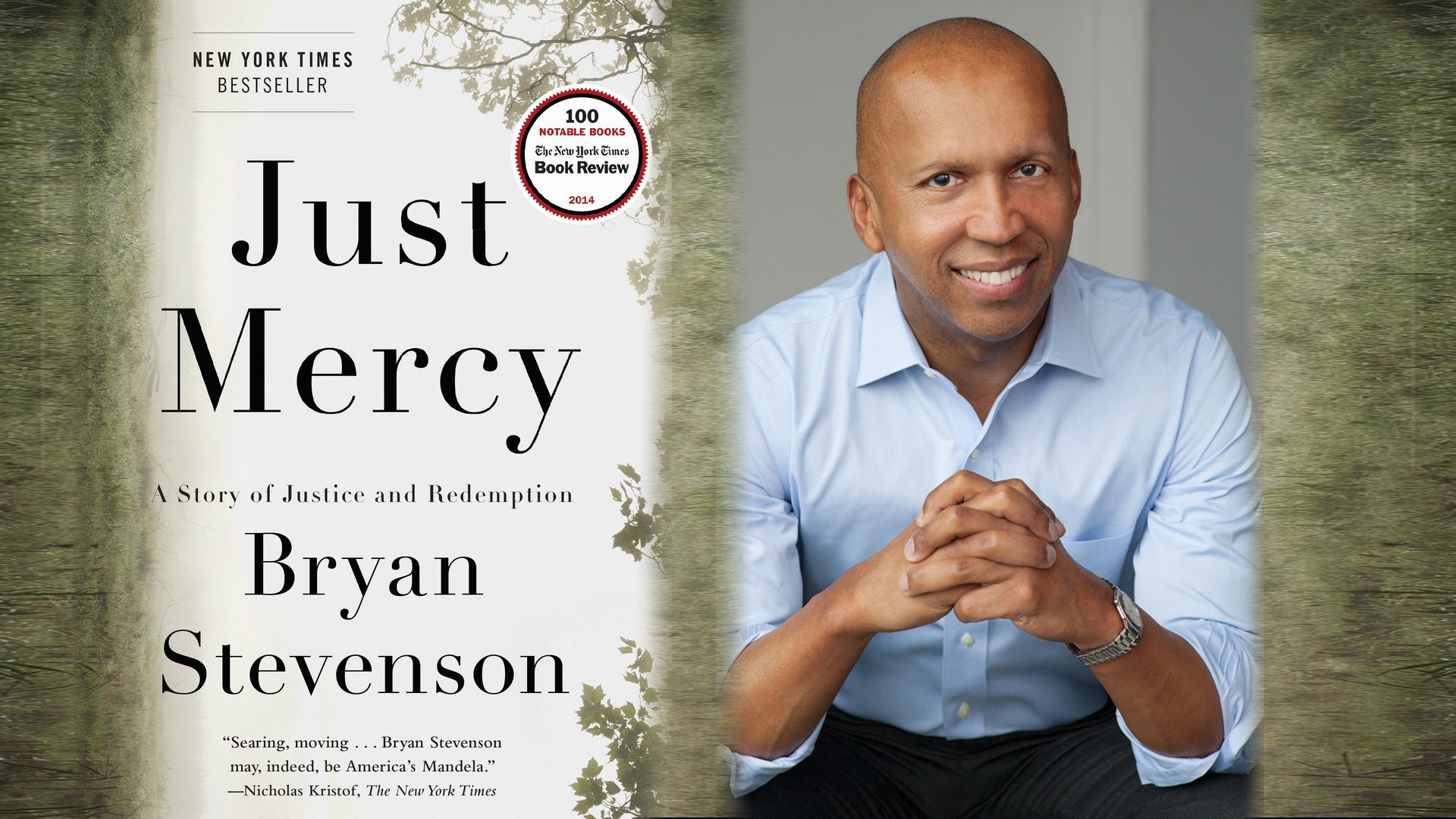
BRYAN STEVENSON is the executive director of the Equal Justice Initiative in Montgomery, Alabama, and a professor of law at New York University School of Law. He has won relief for dozens of condemned prisoners, argued five times before the US Supreme Court , and won national acclaim for his work challenging bias against the poor and people of color. He has received numerous awards, including the MacArthur Foundation “Genius” Grant.
He will be delivering the Convocation Speech to the incoming Freshman Class at MSU Bozeman on August 24, 2017.
Great-grandson of slaves, he attended “colored” schools. As a young attorney, he created The Equal Justice Initiative to address the hierarchies of inequality in the criminal justice system. He says, “America is a post-genocide society.” “The great evil of American slavery was not the involuntary servitude and forced labor, the great evil was how we created this ideology of white supremacy.”
Professor MARC BEKOFF
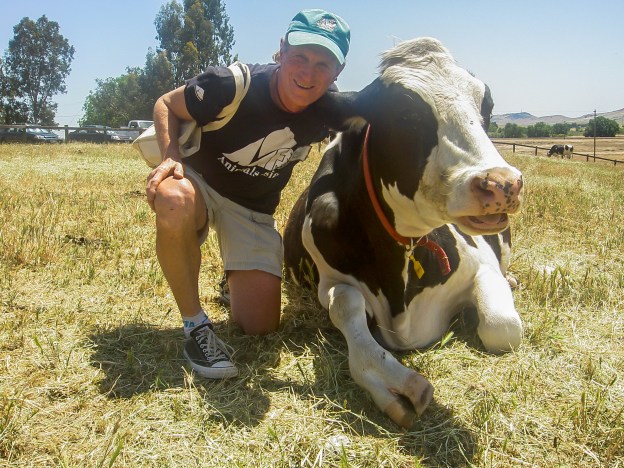
Marc Bekoff is professor emeritus of Ecology and Evolutionary Biology at the University of Colorado, Boulder, and co-founder with Jane Goodall of Ethologists for the Ethical Treatment of Animals. He has published more than 1000 essays (popular, scientific, and book chapters), 30 books, and has edited three encyclopedias. His latest book is THE ANIMALS’ AGENDA: FREEDOM, COMPASSION AND COEXISTENCE IN THE HUMAN AGE, co-written with Jessica Pierce, and published by Beacon Press (2017). http://www.beacon.org/The-Animals-Agenda-P1250.aspx
This interview was prompted by his recent interview with Brooks Fahy of Predator Defense (predatordefense.org), whose investigative work exposes shocking activity at the US Dept of Agriculture, as well as the complicity of wildlife organizations, such as Defenders of Wildlife and The Humane Society of the US, in the “Administrative Removal”, i.e. killing, of wolves in national forests.
There is a separate posting for our full interview with only Professor Bekoff and more specific citations referenced here:
Marc Bekoff is professor emeritus of Ecology and Evolutionary Biology at the University of Colorado, Boulder, and co-founder with Jane Goodall of Ethologists for the Ethical Treatment of Animals. He has published more than 1000 essays (popular, scientific, and book chapters), 30 books, and has edited three encyclopedias. His latest book is THE ANIMALS’ AGENDA: FREEDOM, COMPASSION AND COEXISTENCE IN THE HUMAN AGE, co-written with Jessica Pierce, and published by Beacon Press (2017). http://www.beacon.org/The-Animals-Agenda-P1250.aspx
This interview was prompted by his recent interview with Brooks Fahy of Predator Defense (predatordefense.org), whose investigative work exposes shocking activity at the US Dept of Agriculture, as well as the complicity of wildlife organizations, such as Defenders of Wildlife and The Humane Society of the US, in the “Administrative Removal”, i.e. killing, of wolves innational forests. (See below.)
Some of Professor Bekoff’s articles referenced in the interview can be found here:
Not only does science show that killing wolves increases attacks on cattle, but Washington experienced this phenomenon first-hand when they tried to stop wolves in the Profanity Peak Pack from killing a rancher’s cattle in pristine Colville National Forest in 2016. The more wolves they killed, the more cows were attacked, and they ended up destroying the pack. Tragically, they didn’t learn, and they resumed this slaughter in July 2017 by targeting the Smackout Pack for death.
To put their upside-down values in perspective, keep in mind that Washington has over a 1,000,000 cows and only around 120 wolves. And wolves increasingly appear to have no place to live in peace, not even pristine forested public land.
In the award-winning documentary three former federal agents and a prominent Congressman blow the whistle on the strategically misnamed program within the USDA called Wildlife Services. They go on the record showing Wildlife Services for what it really is—a barbaric, unaccountable, out-of-control, wildlife killing machine that acts at the bidding of corporate agriculture and the hunting lobby, all with taxpayer dollars
“Poisons banned since the 1970s, that the official record said didn’t exist, were being bought from the Wyoming Dept. of Ag. to sell to ranchers and predator boards.” REX SHADDOX – Former Wildlife Services trapper & special investigator for Wyoming Sting operation
“Government employees shouldn’t be breaking the law [on the job]. And the federal government should not be in the business of predator control on taxpayer dollars.” GARY STRADER – Former police officer & Wildlife Services trapper
“Wildlife Services is one of the most opaque and least accountable agencies I know of. It is not capable of reforming itself. They need a mandate for reform… it’s going to have to be imposed on them.” REP. PETER DEFAZIO
Senior U.S. Congressman (D-OR)
William Hogeland has written about the American Revolution era in three previous books, THE WHISKEY REBELLION, DECLARATION, AND FOUNDING FINANCE. His latest book, THE AUTUMN OF THE BLACK SNAKE: THE CREATION OF THE U.S. ARMY AND THE INVASION THAT OPENED THE WEST, published by Farrar, Strouse, Giroux in 2017, goes in depth into the history surrounding the American Revolution, and particularly a major defeat of the new United States, in fact the greatest defeat effected by North American indigenous peoples in the history of this continent. But few have heard about it, much less the individuals who made it happen. William Hogeland, is determined to remedy this.
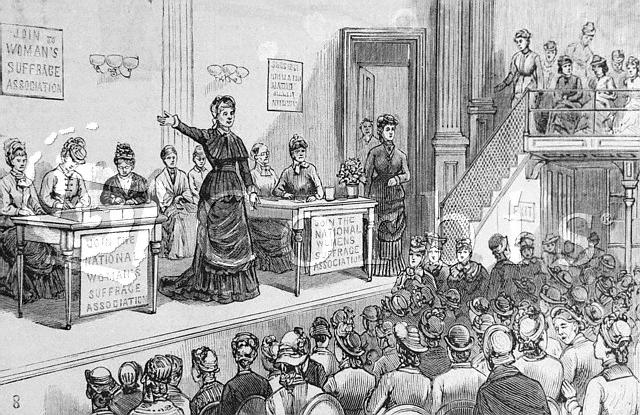
First a bit of history: On this date, July 19th, in 1848, the Seneca Falls Convention was convened. It was the first women’s rights convention, eventually leading after more than 7 decades to, among other things, the 19th Amendment granting women’s right to vote in the U.S.
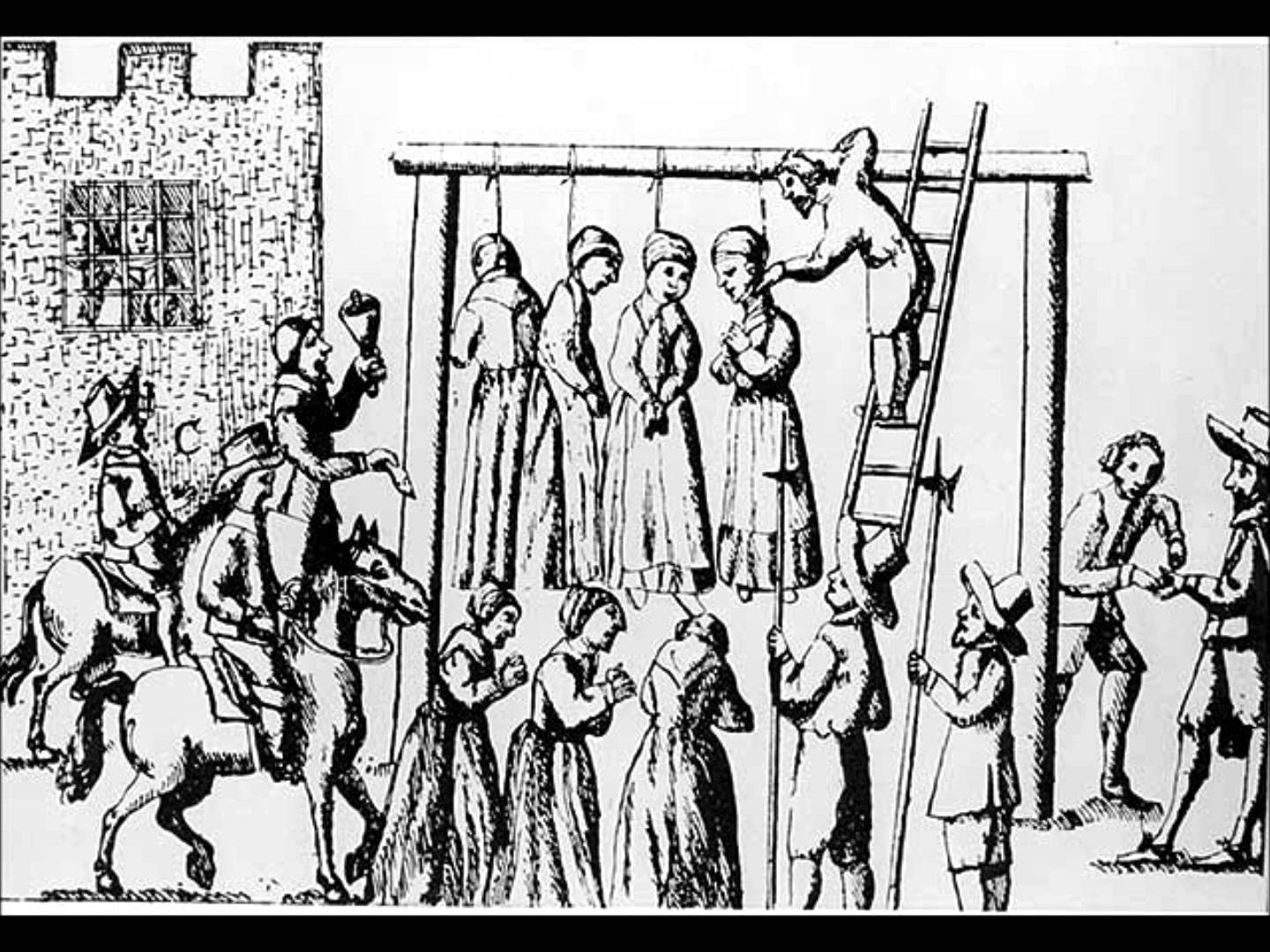
And on July 19th 1692, 8 people were found guilty of witchcraft and hanged in Salem, Mass., including Rev. George Burroughs, the only minister to be executed.
But now, we’ll fast forward a hundred years to “more enlightened times,” when the American Revolution had been won, and the power elites of that era were looking West across the Appalachian Mountains to so-called “vacant lands” for speculation and expansion. With only one problem, that being the people who had been living there for millennia didn’t agree that it was vacant.
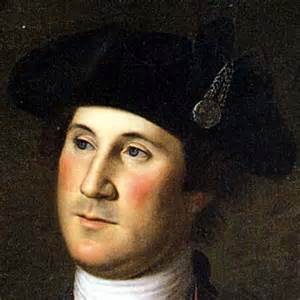
A young George Washington explored, surveyed and speculated in lands west of the Appalachians, in the process becoming one of the causes of the Seven Years War – the first global war, causing over a million casualties – and also enhancing his own career and making his fortune. The tobacco export business required ever more new lands for planting, due to severe, rapid depletion of the soil, hence the lust for more and more new land to plant.
Thomas Jefferson provided an evolving legal theory of Free Holding, dating back to the Anglo Saxon invasion of England, and disavowing the right of kings to grant tenure of lands, which had begun with the Norman Invasion. He believed anyone could take and hold any land without the permission of a sovereign, i.e Direct Ownership, as long as it was “vacant” .
His advice to farmers concerning tobacco’s soil depletion: “Better to move than manure.”
Blue Jacket, a Shawnee leader, rallied his people to resist American Westward expansion.
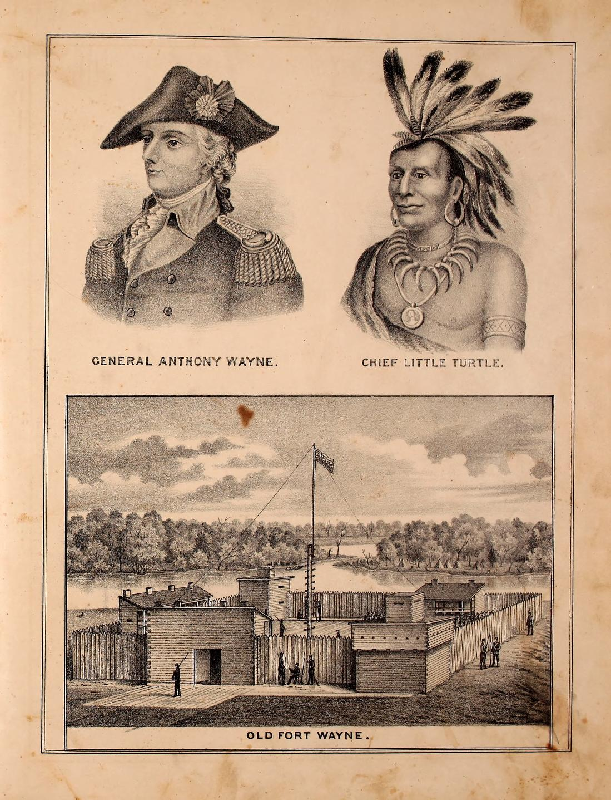
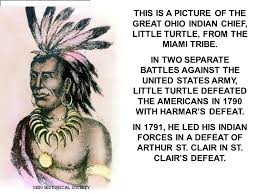
Unlike Blue Jacket, Little Turtle believed that without British armaments, the Americans could not be decisively defeated. His efforts to procure them were unsuccessful.
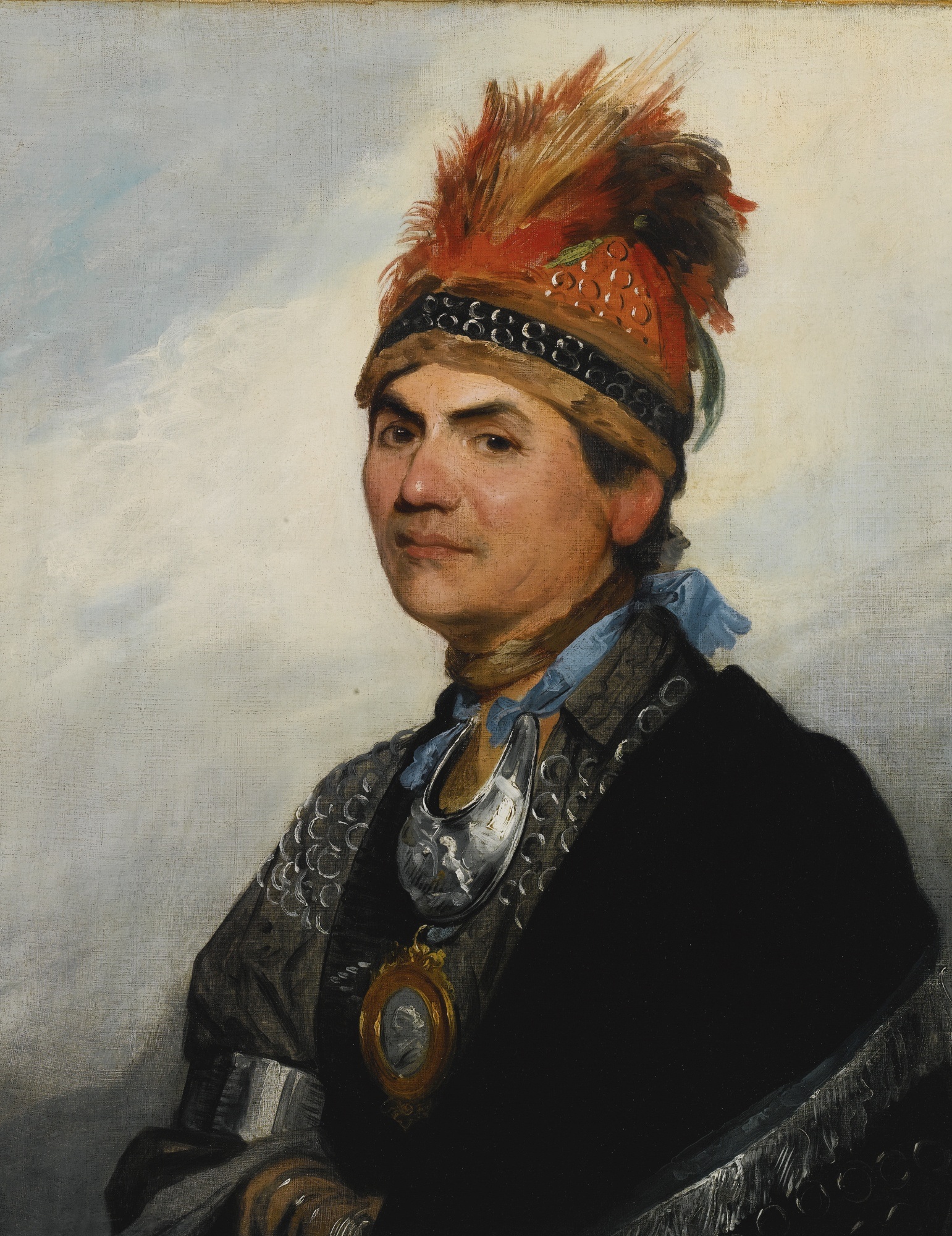
Joseph Brant, a member of the Six Nation Iroquois Confederacy tried to be a diplomat and go-between among the warring factions – American, Indian and British. His efforts only resulted in ever diminishing trust and respect on all sides.
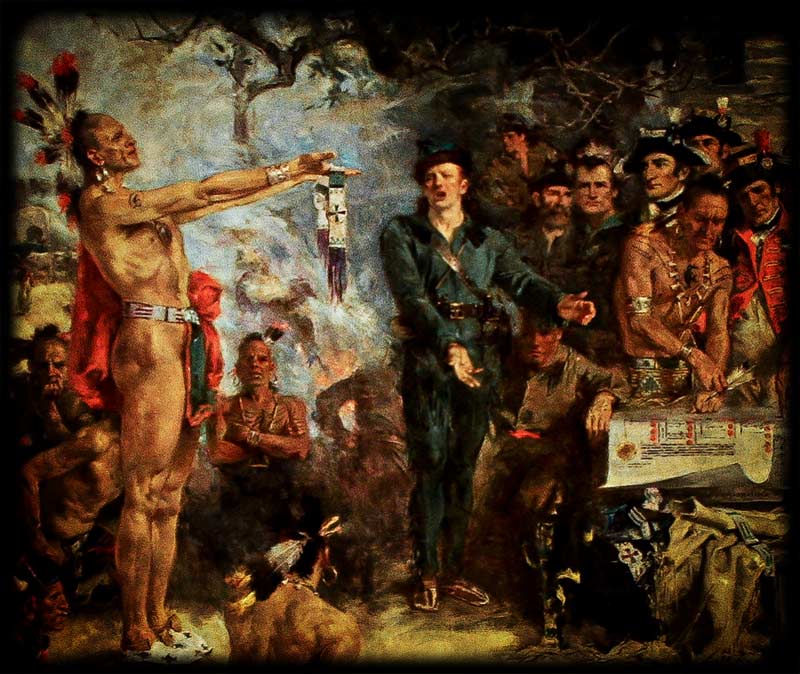
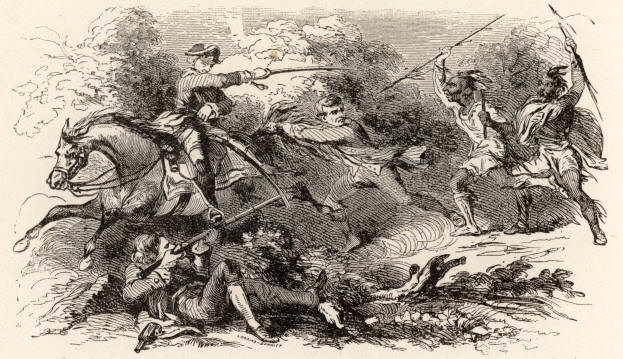
One treaty after another was made and broken by the Americans, although for the most part honored by the Indians. As westward encroachment increased – 10,000 immigrants coming down the Ohio River per month – war was inevitable.
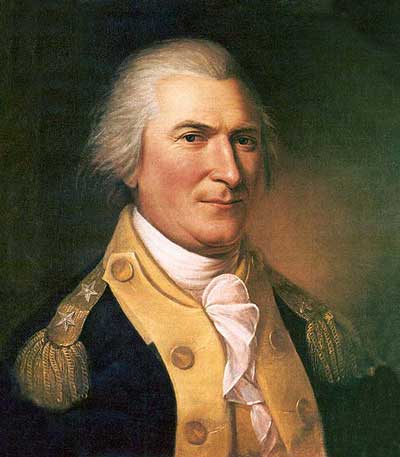
General Arthur St. Clair, who suffered the greatest defeat by Indians in U.S. history, when as many as 1,200 men, women and children – out of 1,500 – were killed, including most of the officers of the U.S. military.
St. Clair’s defeat by the Miami Indians at the Battle of the Wabash River Nov. 4, 1791.
Exact numbers are impossible to determine, but according to David Johnson in Fort Amanda – A Historical Redress (1790-1815):
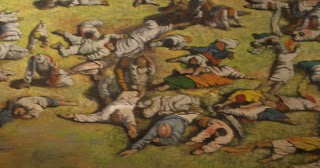
In a 3 hour battle, of 982 soldiers and 250 civilians, 757 were killed, 413 wounded, 34 unwounded, a Total Casualty Rate of 95%. Placed head to toe, the bodies of those killed at St Clair’s Defeat would measure approximately 4,400 feet.
If the design of corporate capitalism is unable to sustain values of equality, genuine democracy, liberty, and ecological sustainability as a matter of inherent systemic architecture, what systemic ‘design’ might ultimately achieve and sustain these values? and
How specifically might it be possible to move forward, especially in difficult political times, to lay foundations for a transformation in the direction of a serious new systemic answer?
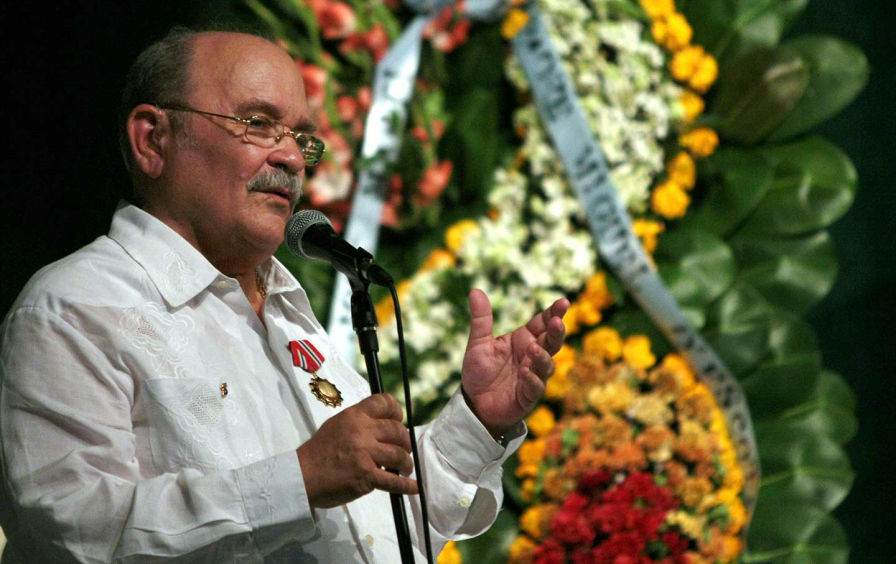
But before we ask Gar Alperovitz what answers he has explored to these questions, we take a moment to remember the passing earlier this month of Father Miguel d’Escoto Brockman, the Nicaraguan Maryknoll priest, and practitioner of Liberation Theology, who was his country’s foreign minister under the Sandanista government during the 1980s. In 2008, he was elected to head the United Nations General Assembly, just before Israel’s Operation Cast Lead began, which resulted in the deaths of over a thousand in Gaza, more than a third of whom were children. In his defense of Palestine throughout those weeks of war, and in his later commitment to forcing the UN to take environmental justice seriously, he aimed to transform the General Assembly into a potent force for global justice. His wisdom and perseverance in the pursuit of justice from a place of love, serve as a beacon in a world too often bent on mindless destruction. To honor him, we share this poignant song written by Nicaraguan song writer, Luis Mejia Godoy, based on a poem by Nicaraguan revolutionary, Tomás Borge, co-founder of the SNLF, The Sandinista National Liberation Front, who had been brutally tortured during the Somosa regime. It’s called,My Personal Revenge, here performed by Jackson Browne.
Professor Gar Alperovitz has had a distinguished career as an historian, political economist, activist, writer and government official. He is a professor emeritus of political economy at the University of MD, as well as a former fellow of Kings College, Cambridge University; Harvard’s Institute of Politics; the Institute for Policy Studies; and the Brookings Institution.
He is the author of books on the atomic bomb and atomic diplomacy, THE DECISION TO USE THE ATOMIC BOMB: AND THE ARCHITECTURE OF AN AMERICAN MYTH;as well as WHAT THEN MUST WE DO: STRAIGHT TALK ABOUT THE NEXT AMERICAN REVOLUTION; and AMERICA BEYOND CAPITALISM: RECLAIMING OUR WEALTH, OUR LIBERTY, AND OUR DEMOCRACY. Gar Alperovitz is the president of the National Center for Economic and Security Alternatives and is a co-founder of the Democracy Collaborative, a research institution developing practical, policy-focused, and systematic paths towards ecologically sustainable, community-oriented change, and the democratization of wealth. He is also the co-chair of the Next System Project, a project of the Democracy Collaborative.
thenextsystem.org
I began by asking him about the Next System Project and their document, PRINCIPLES OF A PLURALIST COMMONWEALTH, and to explain what is meant by a pluralist commonwealth and what are the structural principles of what it requires?
In this archived edition of Forthright Radio from Oct. 21, 2015, we spoke with Professor Sven Beckert about his book, EMPIRE OF COTTON: A GLOBAL HISTORY, and the astounding role that cotton has had over the past 5 or 6 centuries, not just in the Southern United States, but around the entire globe.
This edition of Forthright Radio from November 11, 2012 came up in conversation (12-11-17), so we thought it might be of interest to our web listeners, as well.
As the nights grow longer, and the season approaches of long winter naps, it seems like a good time to discuss one of the inevitable aspects of life – sleep. And this seemingly simple topic is not so simple for more and more people in the modern world. And it really is quite mysterious. Neither doctors nor scientists can even tell us what sleep IS, much less what natural sleep might be. And then, there are the effects of capitalism on sleep.
To discuss these things and more, we have with us Matthew Wolf-Meyer, who was (then) a Professor of Anthropology, at UC Santa Cruz. Matthew Wolf-Meyer received his Ph.D. from the Department of Anthropology at the University of Minnesota, specializing in medical anthropology, and the social study of science and technology. He holds previous degrees in Literature, Science Fiction Studies, and American Cultural Studies.
In January, 2016, he joined the faculty of the Anthropology Dept. at SUNY Binghamton. His work focuses on medicine, science and media in the United States to make sense of major modern-era shifts in the expert practices of science and medicine and popular representations of health. His book The Slumbering Masses: Sleep, Medicine and Modern American Life, published by The University of Minnesota Press, was the first book-length social scientific study of sleep in the United States and won the New Millennium book prize in 2013. It offers insights into the complex lived realities of disorderly sleepers, the long history of sleep science, and the global impacts of the exportation of American sleep.
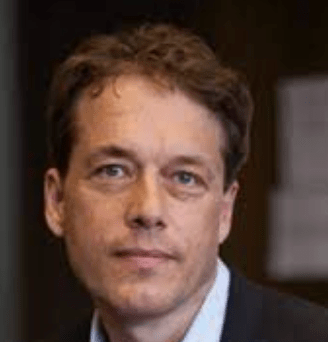
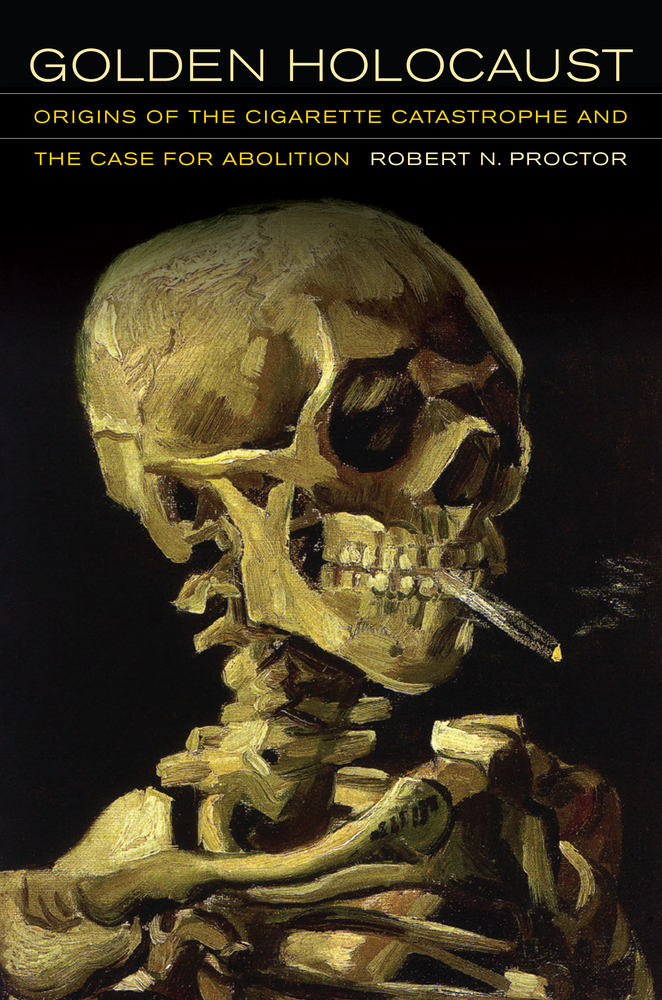
Professor Robert Proctor specializes in 20th century science, technology, and medicine, especially the history of controversy in those fields, and projects on scientific rhetoric, the cultural production of ignorance (agnotology), and the history of expert witnessing. He also does work on human origins–including changing notions of the oldest tools, art and fire; changing body imagery, the history of molecular anthropology, changing archaeological techniques and images of “humaness,” etc. the history of global creationism and of Evo Devo, catastrophic geology, global climate change and environmental policy.
Some of his earlier books include RACIAL HYGIENE: MEDICINE UNDER THE NAZIS; CANCER WARS: HOW POLITICS SHAPES WHAT WE KNOW AND DON’T KNOW ABOUT CANCER; and VALUE-FREE SCIENCE? PURITY AND POWER IN MODERN KNOWLEDGE. He is a fellow of the American Academy of Arts and Sciences, and he was a senior scholar in residence at the U.S. Holocaust Research Institute.
This interview was originally broadcast on February 15, 2012.
Articles referred to or pertinent to this interview:






 White supremacists clash with counter-protesters in Charlottesville, Virginia, August 12, 2017. (Sipa via AP Images)
 White nationalist demonstrators use shields as they guard the entrance to Lee Park in Charlottesville, Virginia. Photograph: Steve Helber/AP
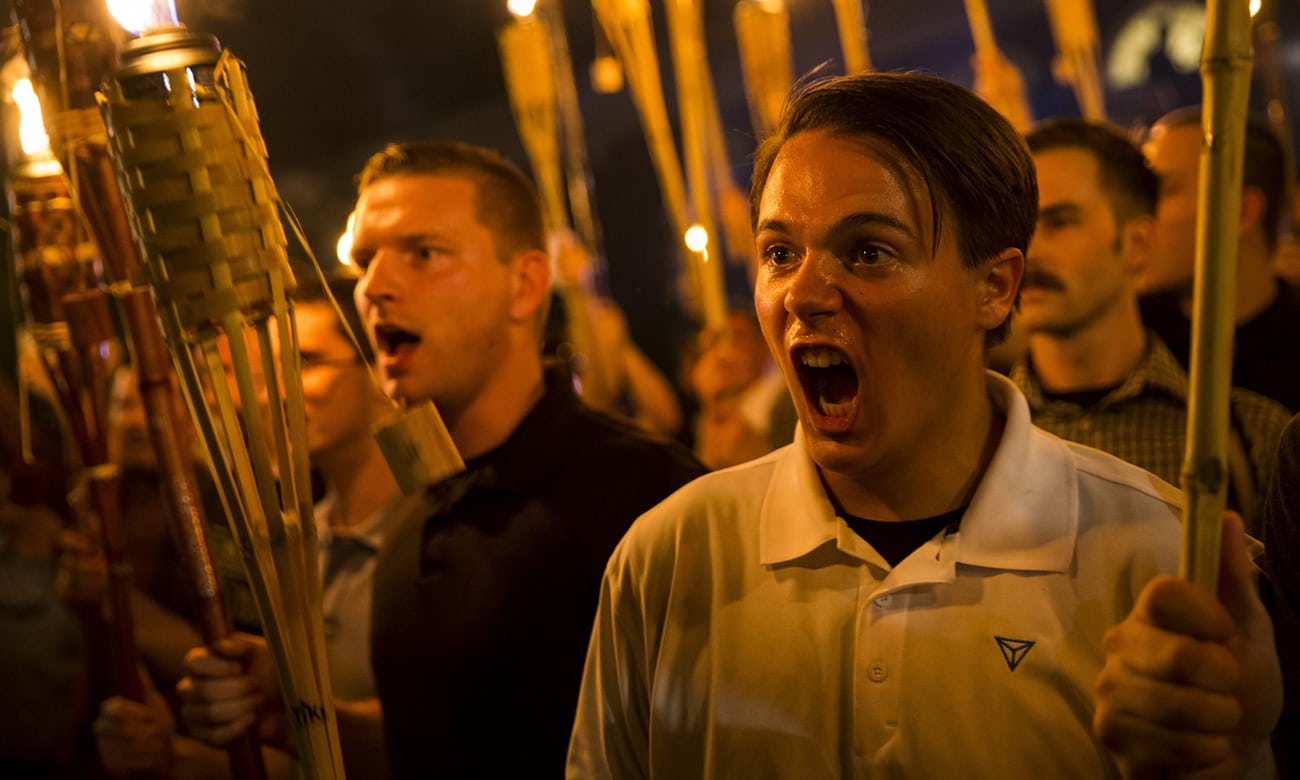 Neo-Nazis and white supremacists march in Charlottesville on 11 August. The rally and subsequent death of a counter-protester were decried as real-world consequences of far-right online movements. Photograph: Samuel Corum/Anadolu Agency/Getty Images
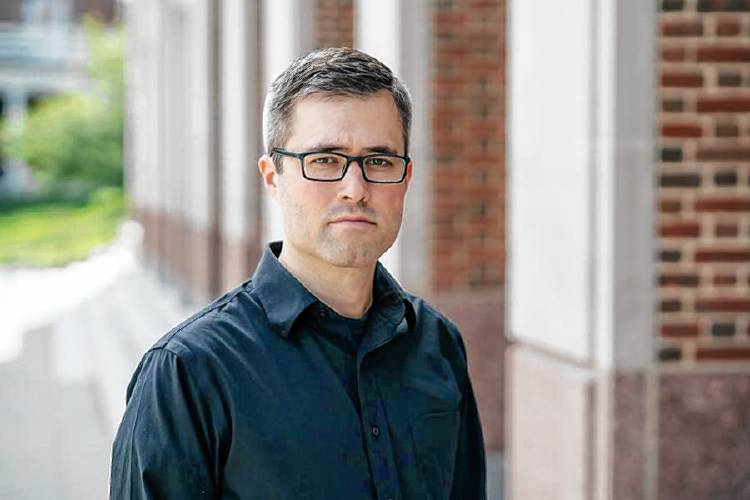 Mark Bray is an historian of human rights, terrorism, and political radicalism in Modern Europe. He completed his PhD in Modern European and Women’s and Gender History at Rutgers University in 2016, and is currently finishing his manuscript “The Anarchist Inquisition: Terrorism and the Ethics of Modernity in Spain, 1893-1909.” “The Anarchist Inquisition” explores the emergence of groundbreaking human rights campaigns across Europe and the Americas in response to the Spanish state’s brutal repression of dissent in the wake of anarchist bombings and assassinations. He teaches at Dartmouth College, where his recent statements about Anti-fa have generated a good deal of controversy, with Dartmouth’s president denouncing them and more than 100 professors denouncing the denouncing. Mark Bray is the author of Antifa: The Anti-Fascist Handbook (Melville House, 2017) and Translating Anarchy: The Anarchism of Occupy Wall Street (Zero Books, 2013), as well as the co-editor of the forthcoming Francisco Ferrer and the Modern School (PM Press, 2018).
 From left: Rev. Osagyefo Sekou, Lisa Sharon Harper, Rev. Carlton Smith, Cornel West, and others (including Seth Wispelwey wearing a white robe and red stole) protesting white supremacy in Charlottesville. CREDIT: Heather Wilson, @aNomadPhotog / Dust & Light Photo




 Troy’s wolf
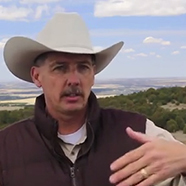 “Poisons banned since the 1970s, that the official record said didn’t exist, were being bought from the Wyoming Dept. of Ag. to sell to ranchers and predator boards.” REX SHADDOX – Former Wildlife Services trapper & special investigator for Wyoming Sting operation
 “Government employees shouldn’t be breaking the law [on the job]. And the federal government should not be in the business of predator control on taxpayer dollars.” GARY STRADER – Former police officer & Wildlife Services trapper
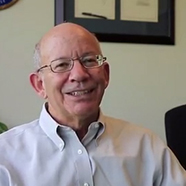 “Wildlife Services is one of the most opaque and least accountable agencies I know of. It is not capable of reforming itself. They need a mandate for reform… it’s going to have to be imposed on them.” REP. PETER DEFAZIO
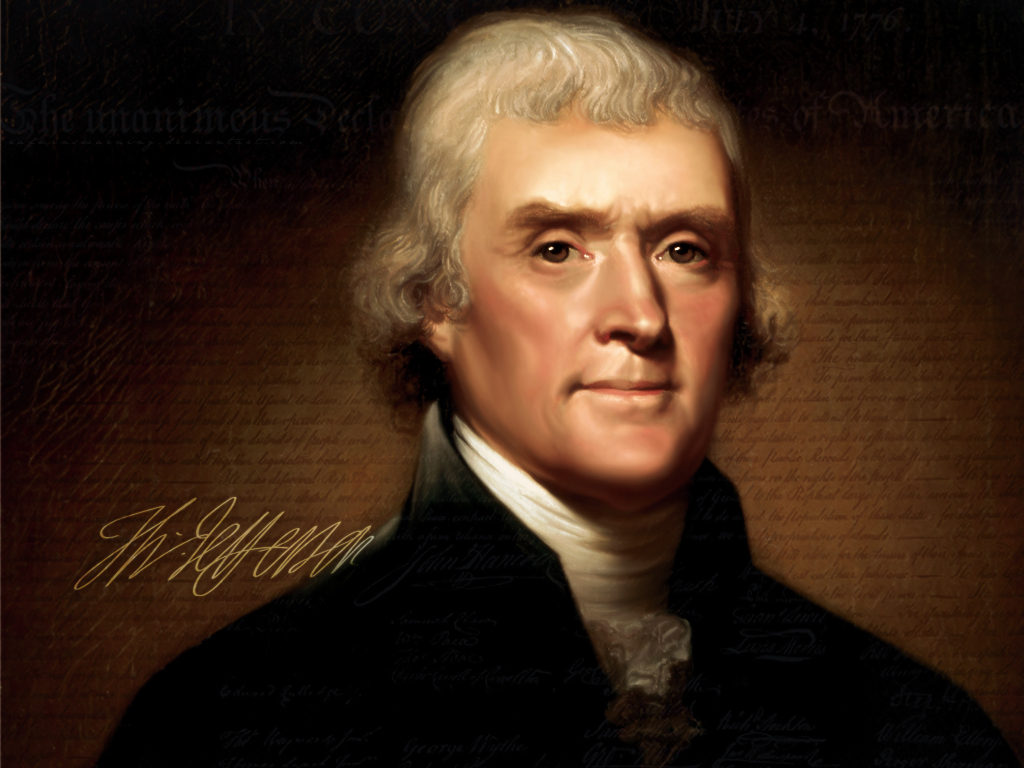 Thomas Jefferson provided an evolving legal theory of Free Holding, dating back to the Anglo Saxon invasion of England, and disavowing the right of kings to grant tenure of lands, which had begun with the Norman Invasion. He believed anyone could take and hold any land without the permission of a sovereign, i.e Direct Ownership, as long as it was “vacant” .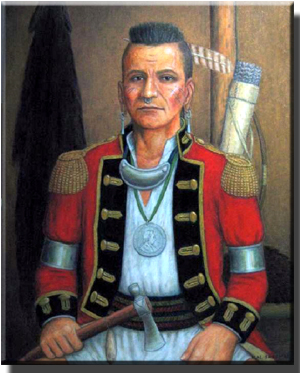

 thenextsystem.org