
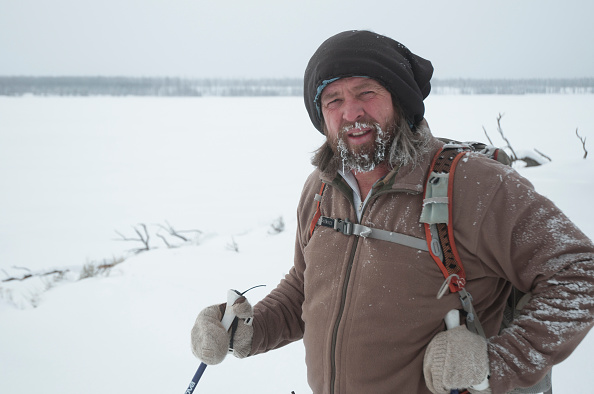
In this edition of Forthright Radio, we bring you a recording of a panel discussion from the 2019 BZN International Film Festival, featuring Mike Mease, co-founder of Buffalo Field Campaign, and Doug Peacock, writer, naturalist, filmmaker and Green Beret combat medic, who is founder of Save The Yellowstone Grizzly.
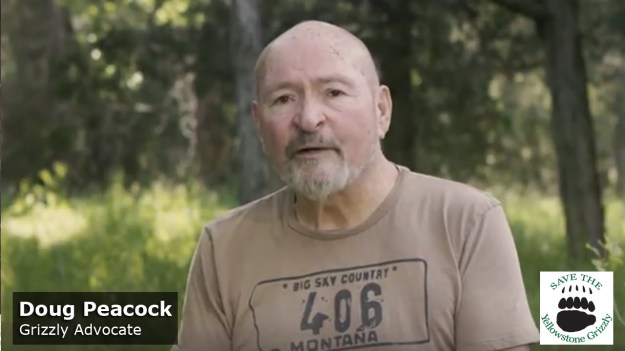
It was recorded in the Hager Auditorium of the Museum of the Rockies on June 8, 2019.
 According to their website (https://buffalofieldcampaign.org):
Buffalo Field Campaign (BFC) is the only group working both in the field and in the policy arenas to stop the harassment and slaughter of America’s last wild buffalo.
Formalized as a 501(c)(3) nonprofit in 1997, we also protect the natural habitat of wild free-roaming bison and other native wildlife, and stand with First Nations to honor the sacredness of wild buffalo.
Our primary goal is to create permanent year-round protection for bison and the ecosystem they depend on—including respect for the migratory needs of this long-exploited and clearly endangered species.
 According to their website (https://savetheyellowstonegrizzly.org/):
Save the Yellowstone Grizzly (STYG) was founded by Doug Peacock in 2016 as a response to the U.S. Fish and Wildlife Service (FWS) statement published in the Federal Register on March 3, 2016, recommending the removal of grizzly bears in the Yellowstone ecosystem from their “threatened” status under the Endangered Species Act.
On June 3, 2016, Peacock drafted a letter to President Barack Obama which emphasized the FWS’s tragic dismissal of the importance of climate change: In the last decade, climate change has decimated the Yellowstone grizzly’s most important food, the white bark pine nut.
Today, all grizzlies south of Canada are threatened by global warming, which has already decimated the Yellowstone grizzly’s most important food source, the whitebark pine nut. In August 2018, Save the Yellowstone Grizzly filed an amicus brief to address the most crucial issue and deficiency in the government’s case, climate change. Judge Christensen accepted the brief on August 29, the day before the federal hearing on delisting.
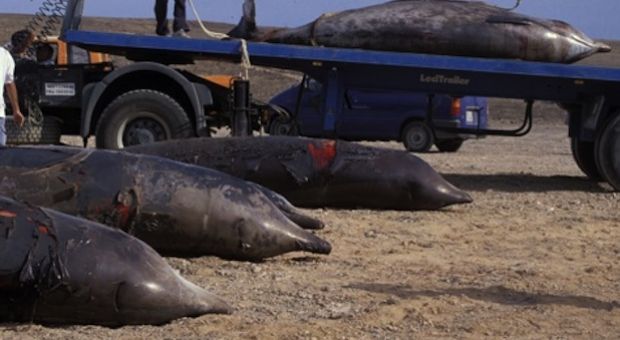
 The Navy is seeking Federal Regulatory Permits under the Marine Mammal Protection Act (MMPA) and the Endangered Species Act (ESA) to do weapons testing off the Mendocino coast, requesting a seven year permit to do the testing and training 12 miles offshore.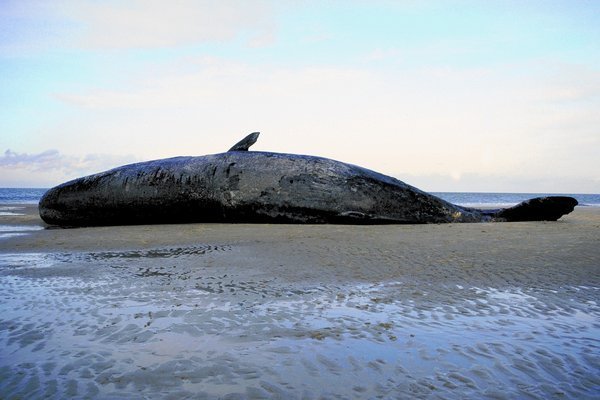



 Sefali is a Green Rhinos Youth Leader in Maipith, Sundarbans, India. After a devastating cyclone hit in 2009, she organized fellow students to plant trees around their homes and school.
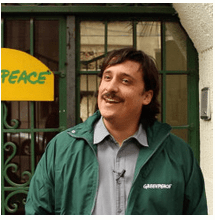 Matias Asun exchanged his job as Director of Greenpeace in Chile to become the Ambassador from the newly proclaimed Republica Glaciar after concluding that the Chilean government had abandoned glaciers. He lobbies the Legislature and pertinent boards to gain protection for them from mining companies and climate disruption.
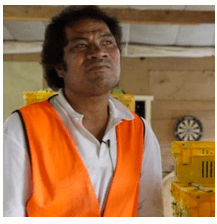 Ioane Teitiota of the island nation of Kiribati was the first person in the world to apply for climate refugee status in New Zealand. Although his island is expected to be completely inundated within 20 years, the Immigration Board ruled that he and his family were not in danger of dying, so they were sent back. Noting that if he were granted asylum on grounds of climate change it would open the floodgate for millions of others ironically confirmed his reason for being granted asylum.
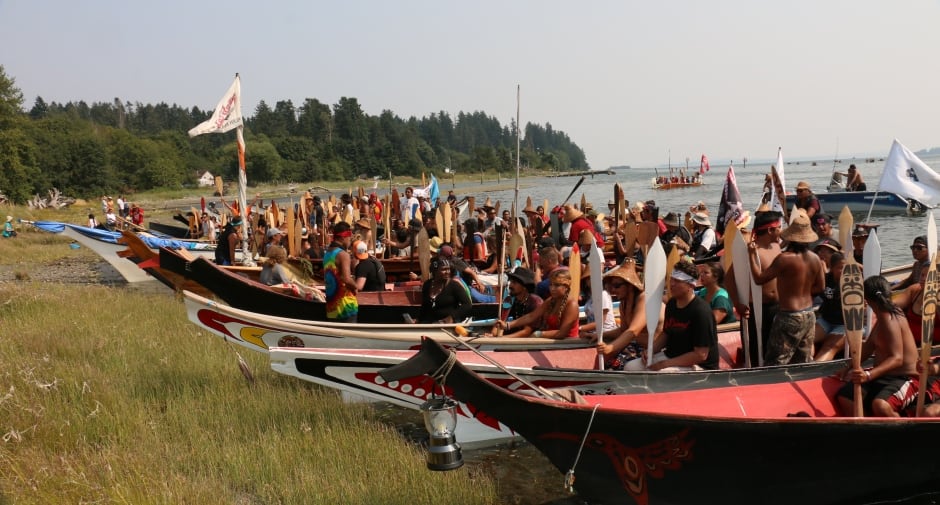
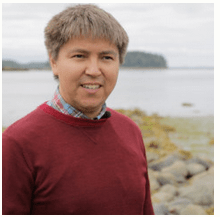 Will Nelson is a biologist and a member of the Metlakatla Stewardship Council. They are engaged in using helicopters to map inter-tidal archeological sites to document their heritage in present day British Columbia, which they have maintained for at least the past 14,000 years. Structures such as clam gardens and clam middens establish their long-standing claims to the land to protect sensitive coastal areas from development.



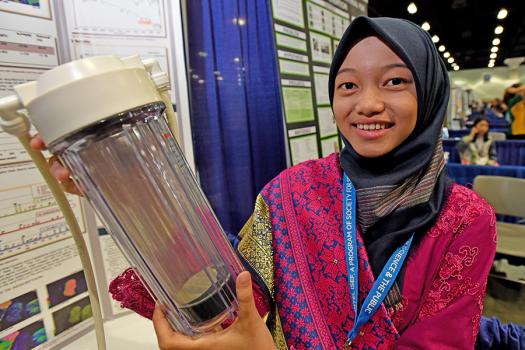 Project ENEV063T: Bangka’s Tin Sea Sand-Fe3O4 as a Removal of Heavy Metals in By-Product of Tin Ore Processing (above): Intan Utami Putri
Shofi Latifa Nuha Anfaresi
Banka, Indonesia
Project ENEV063T: Bangka’s Tin Sea Sand-Fe3O4 as a Removal of Heavy Metals in By-Product of Tin Ore Processing (above): Intan Utami Putri
Shofi Latifa Nuha Anfaresi
Banka, Indonesia
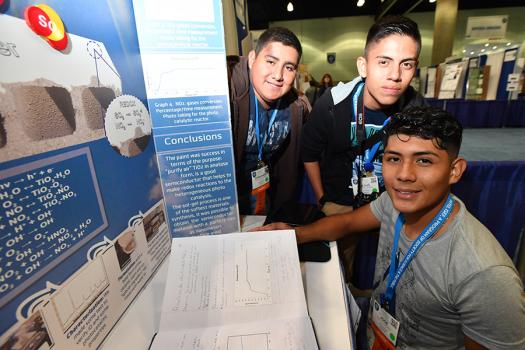
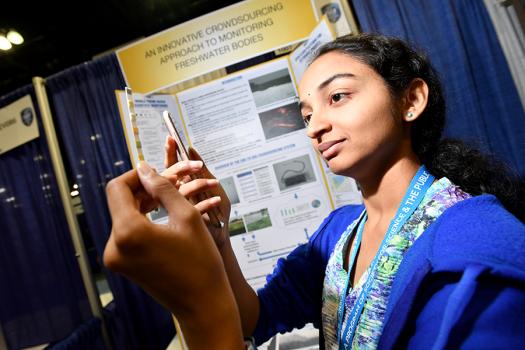 Project EAEV008 – An Innovative Crowdsourcing Approach to Monitoring Freshwater Bodies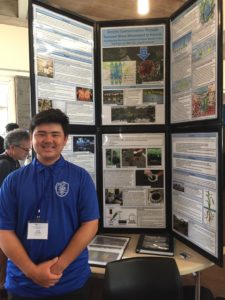
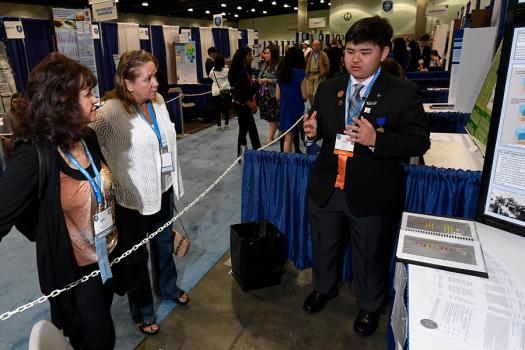 Project EAEV018 – Arsenic Contamination through Tsunami Wave Movement in Hawaii: Investigating the Concentration of Heavy Metals in the Soil from the 1960 Hilo, Hawaii Tsunami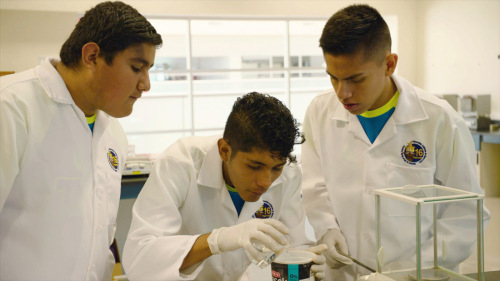












 Forthright Radio