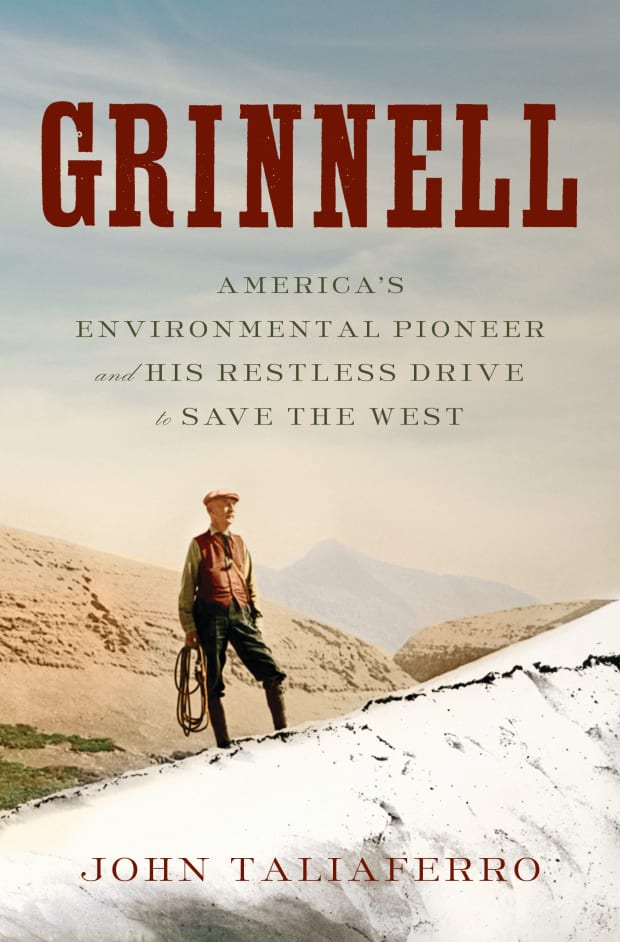
In this interview recorded on July 25, 2019, John Taliaferro discusses the extraordinary life of George Bird Grinnell, largely forgotten to conservation history. His book, Grinnell: America’s Environmental Pioneer & His Restless Drive to Save the West, is published by Liveright Publishing, a division of W. W. Norton.
Grinnell is credited with being the first person of European descent to explore what is today Glacier National Park, as well as being instrumental in its creation
He was a founder of the Audubon Society and published The Audubon Magazine.
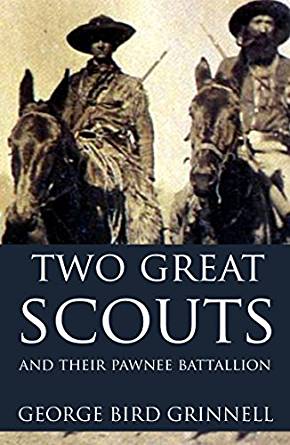
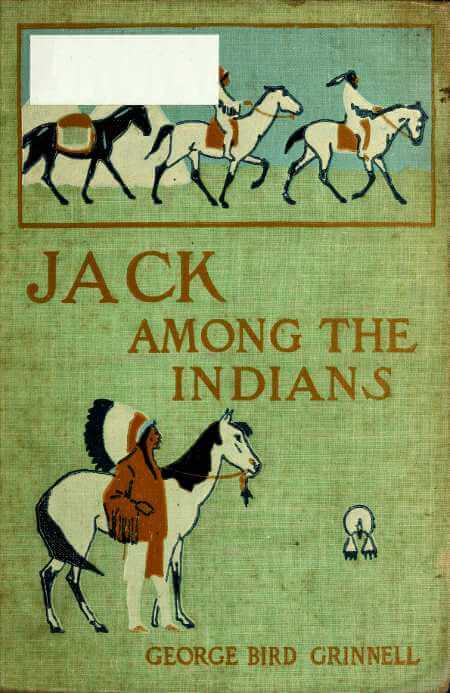
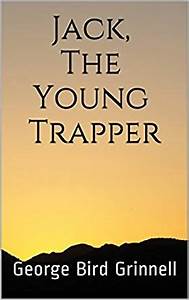
Grinnell was a prolific writer on many topics, including hunting, conservation, the ethnology of numerous Native American tribes, and novels about Jack, a Western boy.
Childless himself, he wrote the “Jack” books for his nephews:
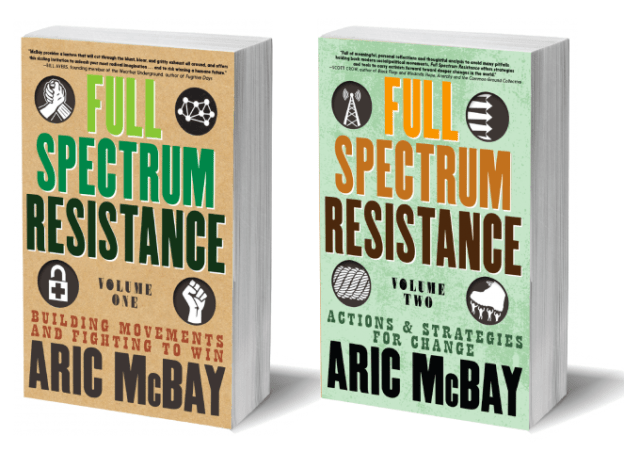
Aric McBay is an organizer, farmer, and author of four books. He writes and speaks about effective social movements, and has organized campaigns around prison justice, Indigenous solidarity, pipelines, unionization, and other causes. His books include Deep Green Resistance: Strategy to Save the Planet(with Lierre Keith & Derrick Jensen), What We Leave Behind (also with Derrick Jensen) and PEAK OIL SURVIVAL, which is the rewritten version of Tools for Gridcrash.. Today, we’ll be focusing on his latest publication, the two volume, FULL SPECTRUM RESISTANCE. Volume One is BUILDING MOVEMENTS AND FIGHTING TO WIN. Volume Two is ACTIONS AND STRATEGIES FOR CHANGE, just published by Seven Stories Press.
Aric McBay lives and farms near Kingston, Ontario, on traditional Anishinaabe and Haudenosaunee territory.
We will have a second interview with Aric on July 3, 2019.
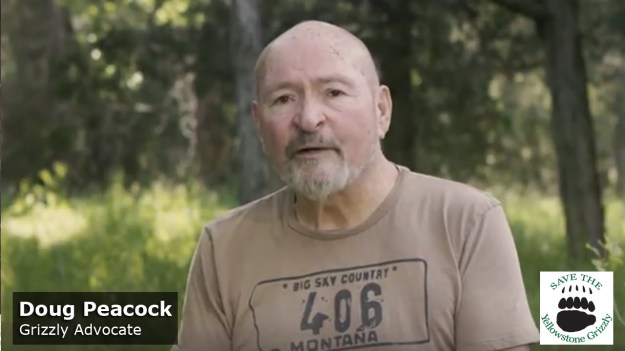
In this edition of Forthright Radio, we bring you a recording of a panel discussion from the 2019 BZN International Film Festival, featuring Mike Mease, co-founder of Buffalo Field Campaign, and Doug Peacock, writer, naturalist, filmmaker and Green Beret combat medic, who is founder of Save The Yellowstone Grizzly.
It was recorded in the Hager Auditorium of the Museum of the Rockies on June 8, 2019.
Buffalo Field Campaign (BFC) is the only group working both in the field and in the policy arenas to stop the harassment and slaughter of America’s last wild buffalo.
Formalized as a 501(c)(3) nonprofit in 1997, we also protect the natural habitat of wild free-roaming bison and other native wildlife, and stand with First Nations to honor the sacredness of wild buffalo.
Our primary goal is to create permanent year-round protection for bison and the ecosystem they depend on—including respect for the migratory needs of this long-exploited and clearly endangered species.
Save the Yellowstone Grizzly (STYG) was founded by Doug Peacock in 2016 as a response to the U.S. Fish and Wildlife Service (FWS) statement published in the Federal Register on March 3, 2016, recommending the removal of grizzly bears in the Yellowstone ecosystem from their “threatened” status under the Endangered Species Act.
On June 3, 2016, Peacock drafted a letter to President Barack Obama which emphasized the FWS’s tragic dismissal of the importance of climate change: In the last decade, climate change has decimated the Yellowstone grizzly’s most important food, the white bark pine nut.
Today, all grizzlies south of Canada are threatened by global warming, which has already decimated the Yellowstone grizzly’s most important food source, the whitebark pine nut. In August 2018, Save the Yellowstone Grizzly filed an amicus brief to address the most crucial issue and deficiency in the government’s case, climate change. Judge Christensen accepted the brief on August 29, the day before the federal hearing on delisting.
The Navy is seeking Federal Regulatory Permits under the Marine Mammal Protection Act (MMPA) and the Endangered Species Act (ESA) to do weapons testing off the Mendocino coast, requesting a seven year permit to do the testing and training 12 miles offshore.
This is part of the larger Northwest Navy Training and Testing from Alaska to Northern California. The coast of Mendocino is a major migration route for gray whales and humpbacks.
The Navy is proposing activities that include anti-submarine warfare exercises involving tracking aircraft and sonar; surface-to-air gunnery and missile exercises; air-to-surface bombing exercises; and extensive testing for several new weapons systems.
U.S. Navy training exercises in the Pacific Ocean could kill, injure, or harm dozens of protected species of marine mammals — Southern Resident killer whales, blue whales, humpback whales, dolphins, and porpoises — through the use of high-intensity, mid-frequency sonar harass whales, dolphins and other marine mammals 12.5 million times over the next five years.
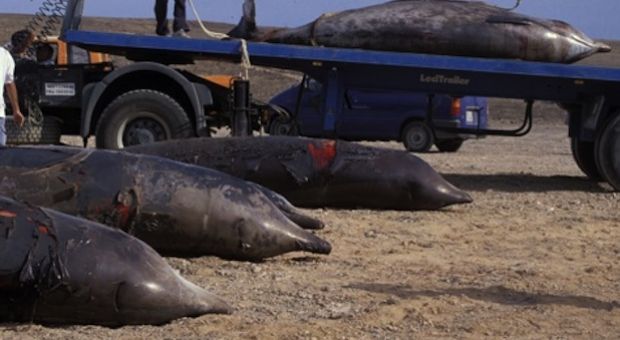
The use of sonar has been directly connected to many instances of beached whales, that have died from erupting lungs, ruptured ear drums and organ damage after military sonar exercises. Sonar exercises have also been found to cause mass strandings of whales.
Thaïs Mazur explains what’s involved and what the public can do.
Should you wish to find out more or to make a comment, you can do so at this link:
We speak with Courtney Quirin, whose film, Guardian, won the JURY PRIZE for BEST DOCUMENTARY FEATURE at this year’s SF IndieFest. Guardian will be screened at the Mendocino Film Festival this Saturday, June 1 at 5:30 in Crown Hall. It has been described as a cautionary tale about the role of science in environmental decision-making and the repercussions of its censorship. But that is totally inadequate to describe the human focus, the magnificent cinematography and the emotional impact the film has.
Courtney Quirin’s background includes a Master’s Degree in Wildlife Management from U of Otago in New Zealand, which included going to the highlands of Ethiopia to identify the nature and extent of farmer-primate conflict. Then, on to Ohio State U. to investigate urban coyotes for her PhD, but just shy of 2 years into that degree, she realized that her true passions lie within documentary film and investigative journalism. So she earned her Master’s in Journalism and Documentary Film from the U.C. Berkeley Graduate School of Journalism. She has reported for the Associated Press in South Africa, Al Jazeera, Bay Nature Magazine and Mission Local in California.
Doug Stewart has been a Guardian in the Great Bear Rainforest since 1977, living on the Surfbird with his wife, Carol, & monitoring over 129 creeks & streams.
After Doug, Stan Hutchings is the 2nd oldest Guardian. He began as a teenager in 1979.
After the interview with Courtney, we reported on the US Navy’s proposed Training & Testing, reading a PSA from Thaïs Mazur:
The Navy is seeking Federal Regulatory Permits under the Marine Mammal Protection Act (MMPA) and the Endangered Species Act (ESA) to do weapons testing off the Mendocino coast, requesting a seven year permit to do the testing and training 12 miles offshore.
This is part of the larger Northwest Navy Training and Testing from Alaska to Northern California. The coast of Mendocino is a major migration route for gray whales and humpbacks.
The Navy is proposing activities that include anti-submarine warfare exercises involving tracking aircraft and sonar; surface-to-air gunnery and missile exercises; air-to-surface bombing exercises; and extensive testing for several new weapons systems.
U.S. Navy training exercises in the Pacific Ocean could kill, injure, or harm dozens of protected species of marine mammals — Southern Resident killer whales, blue whales, humpback whales, dolphins, and porpoises — through the use of high-intensity, mid-frequency sonar, which harass whales, dolphins and other marine mammals, 12.5 million times over the next five years. The use of sonar has been directly connected to many instances of beached whales, that have died from erupting lungs, ruptured ear drums and organ damage after military sonar exercises. Sonar exercises have also been found to cause mass strandings of whales.
The Navy is accepting comments on the DRAFT Supplemental EIS through June 12, 2019. Here is the link: https://www.nwtteis.com/PublicInvolvement/Public-Comment
Liz Miller is a documentary maker and professor interested in new approaches to community collaborations and documentary as a way to connect personal stories to larger social concerns. She is a Full Professor in Communications Studies at Concordia University in Montreal and teaches courses in media production, methods in co-creation/ research-creation, Latin American film, Media-and-the-Environment, Food Systems and more. Her films/educational campaigns on timely issues such as water privatization, immigration, refugee rights and the environment have won international awards, been integrated into educational curricula and influenced decision makers. Liz Miller’s The Shoreline Project, which in a series of 2 dozen short films takes us around the world to meet people from myriad cultures and backgrounds, creatively responding to increasing realities of climate disruption, will be at this year’s Mendocino Film Festival in two formats: The film collection, The Shore Line, will screen at the Matheson this coming Saturday June – 1 at12:30 pm. The full interactive exhibit of The Shoreline Project, will be on display at the Festival Headquarters in Odd Fellows Hall, during the entire festival.
Sefali is a Green Rhinos Youth Leader in Maipith, Sundarbans, India. After a devastating cyclone hit in 2009, she organized fellow students to plant trees around their homes and school.
Matias Asun exchanged his job as Director of Greenpeace in Chile to become the Ambassador from the newly proclaimed Republica Glaciar after concluding that the Chilean government had abandoned glaciers. He lobbies the Legislature and pertinent boards to gain protection for them from mining companies and climate disruption.
Ioane Teitiota of the island nation of Kiribati was the first person in the world to apply for climate refugee status in New Zealand. Although his island is expected to be completely inundated within 20 years, the Immigration Board ruled that he and his family were not in danger of dying, so they were sent back. Noting that if he were granted asylum on grounds of climate change it would open the floodgate for millions of others ironically confirmed his reason for being granted asylum.
Will Nelson is a biologist and a member of the Metlakatla Stewardship Council. They are engaged in using helicopters to map inter-tidal archeological sites to document their heritage in present day British Columbia, which they have maintained for at least the past 14,000 years. Structures such as clam gardens and clam middens establish their long-standing claims to the land to protect sensitive coastal areas from development.
After the interview with Liz Miller, we reported on the US Navy’s proposed Training & Testing, reading a PSA from Thaïs Mazur:
The Navy is seeking Federal Regulatory Permits under the Marine Mammal Protection Act (MMPA) and the Endangered Species Act (ESA) to do weapons testing off the Mendocino coast, requesting a seven year permit to do the testing and training 12 miles offshore.
This is part of the larger Northwest Navy Training and Testing from Alaska to Northern California. The coast of Mendocino is a major migration route for gray whales and humpbacks.
The Navy is proposing activities that include anti-submarine warfare exercises involving tracking aircraft and sonar; surface-to-air gunnery and missile exercises; air-to-surface bombing exercises; and extensive testing for several new weapons systems.
U.S. Navy training exercises in the Pacific Ocean could kill, injure, or harm dozens of protected species of marine mammals — Southern Resident killer whales, blue whales, humpback whales, dolphins, and porpoises — through the use of high-intensity, mid-frequency sonar, which harass whales, dolphins and other marine mammals, 12.5 million times over the next five years. The use of sonar has been directly connected to many instances of beached whales, that have died from erupting lungs, ruptured ear drums and organ damage after military sonar exercises. Sonar exercises have also been found to cause mass strandings of whales.
The Navy is accepting comments on the DRAFT Supplemental EIS through June 12, 2019. Here is the link: https://www.nwtteis.com/PublicInvolvement/Public-Comment
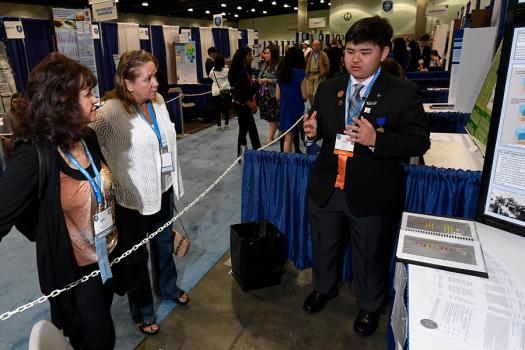
In this edition, recorded on May 16, 2018, we interview three of the producers of INVENTING TOMORROW, an inspiring documentary that features six passionate teenage scientists from Indonesia, Hawaii, India and Mexico, creating cutting-edge solutions to the world’s environmental threats-right in their own backyards. It follows them, as they eventually journey to compete at the Intel International Science and Engineering Fair in Los Angeles. It premiered at the Sundance Film Festival in 2018.
(L-R) Producer Diane Becker, director Laura Nix and producer Melanie Miller
Laura Nix is known for her films The Yes Men Are Revolting (2014) as well as The Yes Men Fix the World (2009), The Light In Her Eyes (2011) about Houda al-Habash, a conservative Muslim preacher, founded a Qur’an school for girls in Damascus, Syria when she was just 17 years old. Her work in film goes back to 1997.
Melanie Miller is known for her work on Detour (2013), and Alaska Is a Drag (2017). Her film work goes all the way back to 2001 as associate producer on the Liars Club
Diane Becker has films going back to 2006, including Five Came Back(2017), Homegrown: The Counter-Terror Dilemma (2016), Legion of Brothers (2017), Jaco (2015) and many more.
(L-R) Melanie Miller, Laura Nix, Jose Manuel Elizade Esparanza, Fernando Miguel Sanchez Villalobos, Sahithi Pingali, Shofi Latifa Nuha Anfaresi, Jared Goodwin, Diane Becker, Jesus Alfonso Martinez Aranda
Project ENEV063T: Bangka’s Tin Sea Sand-Fe3O4 as a Removal of Heavy Metals in By-Product of Tin Ore Processing (above): Intan Utami Putri Shofi Latifa Nuha Anfaresi Banka, Indonesia
Project EAEV008 – An Innovative Crowdsourcing Approach to Monitoring Freshwater Bodies
above: Sahithi Pingali in Bangalore, India
Project EAEV018 – Arsenic Contamination through Tsunami Wave Movement in Hawaii: Investigating the Concentration of Heavy Metals in the Soil from the 1960 Hilo, Hawaii Tsunami
Jared Goodwin is from Hilo, Hawaii
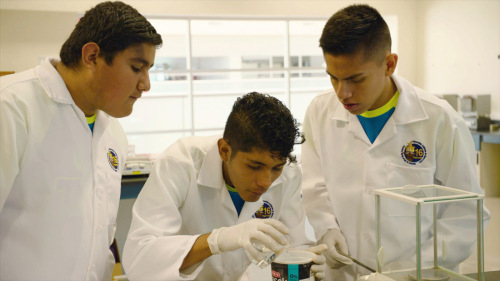
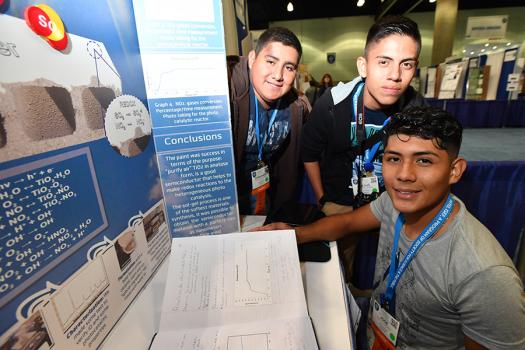
Project CHEM059T: Photocatalytic Ceramic Paint to Purify Air
Fernando Miguel Sanchez Villalobos Jesus Alfonso Martinez Aranda Jose Manuel Elizade Esparaza above: in Monterrey, Mexico
When not producing films, Diane, Laura and Melanie can be found promoting science in other ways.
After 10 years of research, Adam Higginbotham’s book, MIDNIGHT IN CHERNOBYL: The Untold Story of the World’s Greatest Nuclear Disaster,provides the first complete account of the catastrophe that encircled the world and helped precipitate the fall of the USSR. It is published by Simon & Schuster.
Some articles referring to the event can be found here:
Since the explosion at the Chernobyl nuclear power plant in 1986, an area of more than 4,000 square kilometres has been abandoned. That could be about to change, as Victoria Gill discovered during a week-long trip to the exclusion zone.
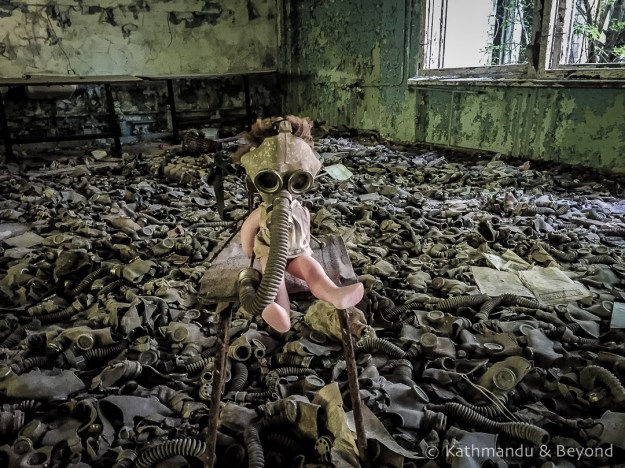
On April 26, 1986, technicians conducting a test inadvertently caused the fourth reactor to explode. Several hundred staff members and firefighters then tackled a blaze that burned for 10 days and sent a plume of radiation around the world in the worst-ever civil nuclear disaster. More than 50 reactor and emergency workers were killed at the time. Authorities evacuated 120,000 people from the area, including 43,000 from the city of Pripyat. Below, recent images from Chernobyl and nearby ghost towns within the exclusion zone, as well as memorials held in Ukraine and Russia.
More than ten years ago, scientists at North Carolina State University dared to go where few had gone before. They began to explore the biodiversity of backyards, bedrooms, belly buttons, and more. But they didn’t do it alone. The work required the collaboration of scientists at many other universities, as well as that of thousands of non-scientists around the world, including children, who helped to take samples, ask questions and even to think about new kinds of analyses. NEVER HOME ALONE: FROM MICROBES TO MILLIPEDES, CAMEL CRICKETS, AND HONEYBEES, THE NATURAL HISTORY OF WHERE WE LIVE, published by Basic Books, tells the big story of the tens of thousands of species discovered in our homes. It argues that, as often as not, more biodiversity in your home ends up being better than less.
Rob Dunn is a biologist in the Department of Applied Ecology at North Carolina State University. Central to all of his work is the sense that big discoveries lurk not only in faraway tropical forests, but also in our homes and neighborhoods. His books include, EVERY LIVING THING; THE WILDLIFE OF OUR BODIES: PREDATORS, PARASITES AND PARTNERS THAT SHAPE WHO WE ARE TODAY; THE MAN WHO TOUCHED HIS OWN HEART; and NEVER OUT OF SEASON.

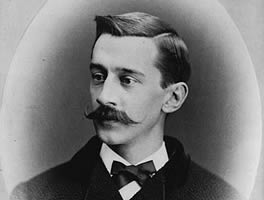
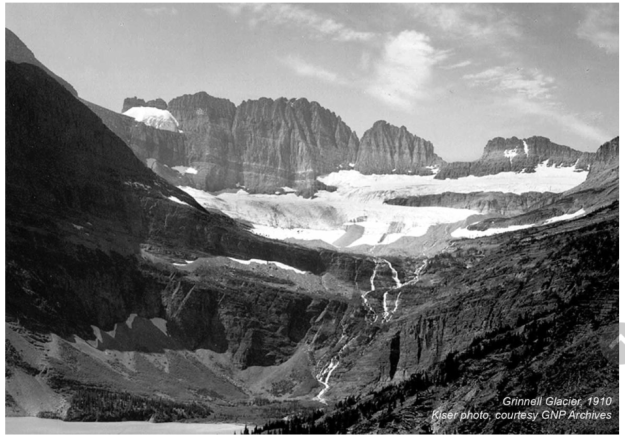

 He was a founder of the Audubon Society and published The Audubon Magazine.








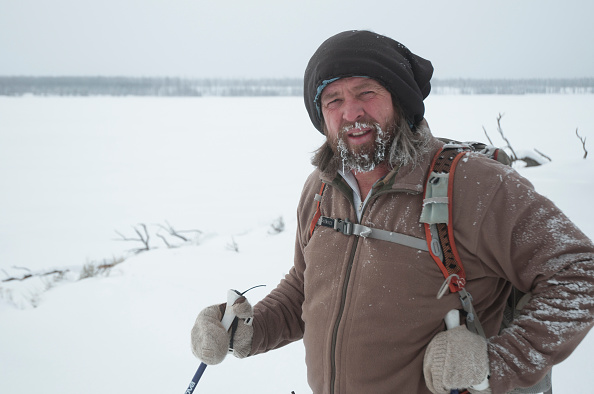
 According to their website (
 According to their website (
 The Navy is seeking Federal Regulatory Permits under the Marine Mammal Protection Act (MMPA) and the Endangered Species Act (ESA) to do weapons testing off the Mendocino coast, requesting a seven year permit to do the testing and training 12 miles offshore.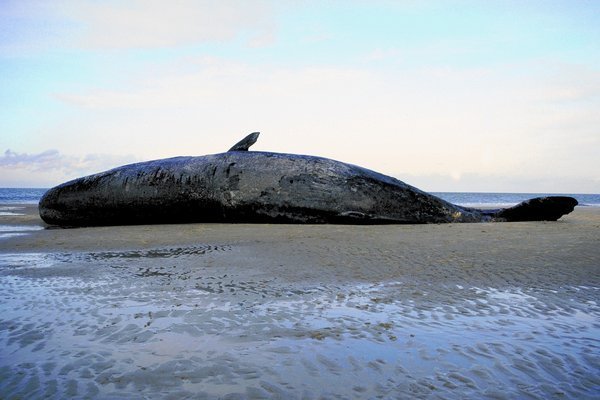


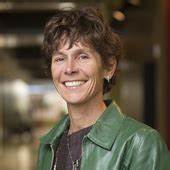
 Sefali is a Green Rhinos Youth Leader in Maipith, Sundarbans, India. After a devastating cyclone hit in 2009, she organized fellow students to plant trees around their homes and school.
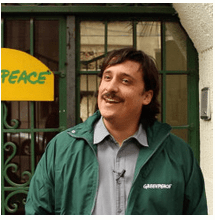 Matias Asun exchanged his job as Director of Greenpeace in Chile to become the Ambassador from the newly proclaimed Republica Glaciar after concluding that the Chilean government had abandoned glaciers. He lobbies the Legislature and pertinent boards to gain protection for them from mining companies and climate disruption.
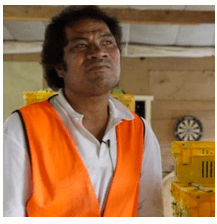 Ioane Teitiota of the island nation of Kiribati was the first person in the world to apply for climate refugee status in New Zealand. Although his island is expected to be completely inundated within 20 years, the Immigration Board ruled that he and his family were not in danger of dying, so they were sent back. Noting that if he were granted asylum on grounds of climate change it would open the floodgate for millions of others ironically confirmed his reason for being granted asylum.
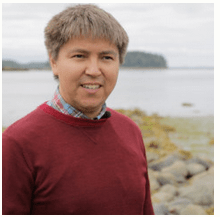 Will Nelson is a biologist and a member of the Metlakatla Stewardship Council. They are engaged in using helicopters to map inter-tidal archeological sites to document their heritage in present day British Columbia, which they have maintained for at least the past 14,000 years. Structures such as clam gardens and clam middens establish their long-standing claims to the land to protect sensitive coastal areas from development.


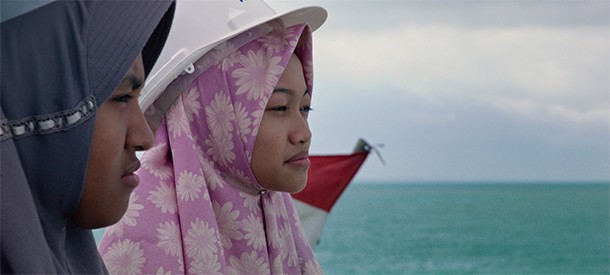
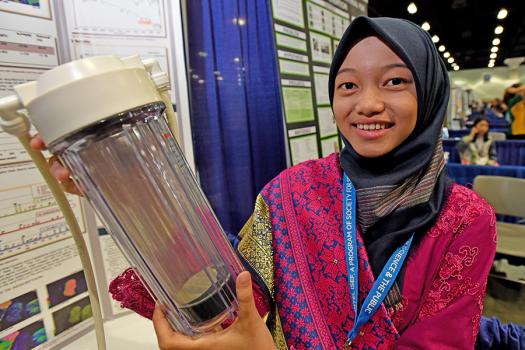 Project ENEV063T: Bangka’s Tin Sea Sand-Fe3O4 as a Removal of Heavy Metals in By-Product of Tin Ore Processing (above): Intan Utami Putri
Shofi Latifa Nuha Anfaresi
Banka, Indonesia
Project ENEV063T: Bangka’s Tin Sea Sand-Fe3O4 as a Removal of Heavy Metals in By-Product of Tin Ore Processing (above): Intan Utami Putri
Shofi Latifa Nuha Anfaresi
Banka, Indonesia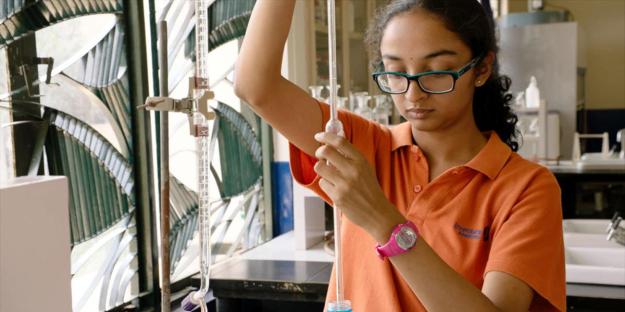
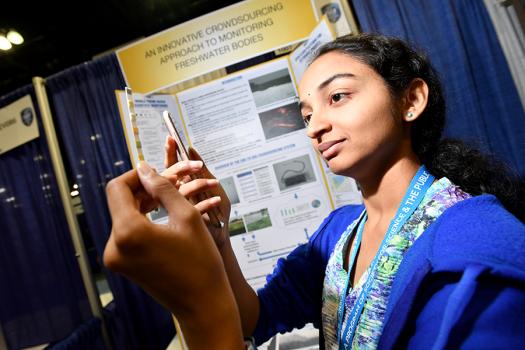 Project EAEV008 – An Innovative Crowdsourcing Approach to Monitoring Freshwater Bodies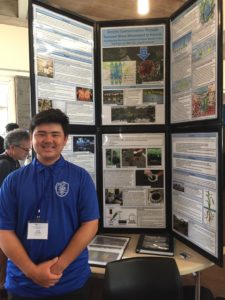
 Project EAEV018 – Arsenic Contamination through Tsunami Wave Movement in Hawaii: Investigating the Concentration of Heavy Metals in the Soil from the 1960 Hilo, Hawaii Tsunami