
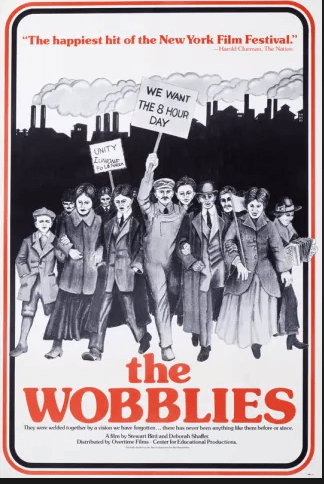
As more and more workers in the United States are organizing to create unions to represent their interests, and corporations are spending millions and millions of dollars to thwart their efforts, it is good to honor this International Workers Day, May Day, by celebrating the restoration and screening of the film, THE WOBBLIES. It was produced during the 1970s and premiered at the NY Film Festival in 1979, and has been recently restored to 4K digital format by the Museum of Modern Art, as well as being inducted into The National Film Registry of the Library of Congress in 2021, one of only 25 films added each year.
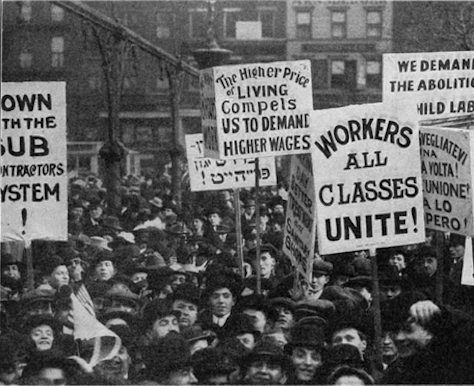
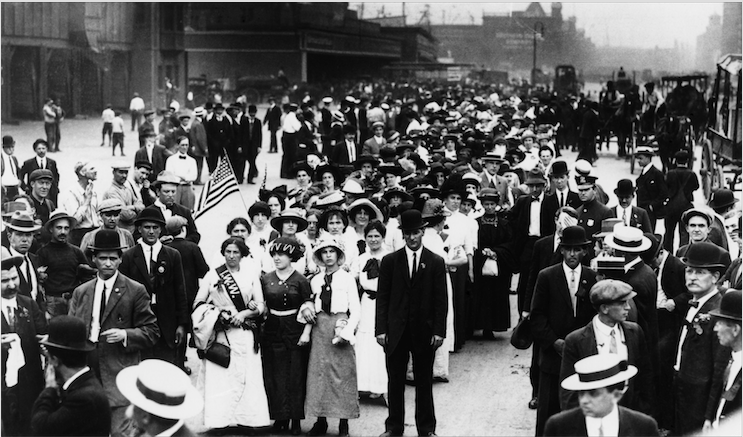
May 1st is celebrated in many countries around the world as a holiday to honor laborers. May 1st was chosen because it marked the day, May 1st, 1886, when a general strike began in the United States to campaign for an 8 hour work day. Four days later in the so-called Haymarket Affair in Chicago police arrived to disperse a packed public assembly in Haymarket Square in support of the general strike, when a person, never identified, threw a bomb. The police fired on the workers. In the ensuing melée seven police officers were killed, as well as at least four citizens. In addition, 60 police were injured as were at least 115 citizens. Hundreds of labor leaders and sympathizers were rounded-up and four were executed by hanging, after a trial that many historians consider a miscarriage of justice. On May 5, 1886 in Milwaukee, WI, the state militia fired on a crowd of strikers, killing seven, including a schoolboy and a man feeding his chickens in his own yard.
We interviewed filmmakers, Deborah Shaffer and Stewart Bird, about their film, THE WOBBLIES, about the period about 20 years after the deadly events during the General Strike of 1886, as a new effort to organize ALL the workers began. They state:
“When we started production on The Wobblies in 1977 our goal was to rescue and record an almost completely neglected chapter of American history as told by its elderly survivors. We never imagined then that the themes of labor exploitation, anti-immigrant legislation, and racial and gender discrimination would resonate as strongly today. We couldn’t be prouder to have the film included last year in the National Film Registry, and to have Kino Lorber present the new 4K MoMA restoration nationwide on International Workers Day.”
About Producer-Director Deborah Shaffer
Academy Award®-winning filmmaker Deborah Shaffer began making social issue documentaries as a member of the Newsreel Collective in the ‘70’s. She co-founded Pandora Films, one of the first women’s film companies, which produced several shorts. Her first feature documentary, The Wobblies, premiered at the prestigious New York Film Festival in 1979. During the ’80s Shaffer focused on human rights in Central America and Latin America, directing many films including Witness to War: Dr. Charlie Clements, which won the Academy Award® for Short Documentary in 1985, and Fire from the Mountain and Dance of Hope, which both played at the Sundance Film Festival. Shaffer directed one of the first post-September 11 films, From the Ashes: 10 Artists followed by From the Ashes: Epilogue, which premiered at the Sundance and Tribeca Film Festivals. She is also the Executive Producer of the Academy Award®-nominated short Asylum, and has directed numerous acclaimed public television programs on women and the arts. She directed and produced To Be Heard, which won awards at numerous festivals and aired nationwide on PBS. Her most recent film, Queen of Hearts: Audrey Flack premiered at DOC NYC and won the Audience Award at the Hamptons Documentary Film Festival. She has been awarded a Guggenheim Fellowship and the Irene Diamond Lifetime Achievement Award by the Human Rights Watch Film Festival.
About Producer-Director – Editor Stewart Bird
Stewart Bird is a Bronx-born writer and filmmaker. Murder at the Yeshiva is his first novel and he is presently writing his second NYPD homicide detective novel with Detective Mo Shuman. He wrote Solidarity Forever, an oral history of the I.W.W. (University of Minnesota Press) with Dan Georgakas and Deborah Shaffer. He also co-authored the play “The Wobblies: The U.S. vs. Wm. D. Haywood et. al.,” (with Peter Robilotta), which was performed at the Hudson Guild Theatre in New York and published by Smyrna Press. Bird wrote a one-hour story for PBS entitled “The Mighty Pawns” about a black inner-city chess team, which was shown nationally on Wonderworks and distributed nationally by Disney. As a writer/producer for Fox television’s Current Affair, he produced various segments: “Alan Berg,” “Elvis Presley,” “A Cycle of Justice,” and “The Night Natalie Died.” He worked as a writer/producer for CBS News’ 48 Hours and produced segments like “Another America,” “Underground,” “Stuck on Welfare,” and “Earth Wars.” He has produced numerous feature-length documentaries including “Finally Got the News,” about black auto workers in Detroit; “Retratos,” on the Puerto Rican community in New York; “Coming Home,” on Vietnam Veterans; “Building the American Dream: Levittown, NY” and The Wobblies (with Deborah Shaffer) focusing on the Industrial Workers of the World a turn-of-the-century labor union.

One can rent Wobblies via this link: https://kinonow.com/film/the-wobblies/624202eb7b0e1200011ce8c3
Right-wing snowflakes love to whine about free speech — this socialist went to jail for it https://www.salon.com/2022/05/29/right-wing-snowflakes-love-to-whine-about-free-speech–this-socialist-went-to-jail-for-it/



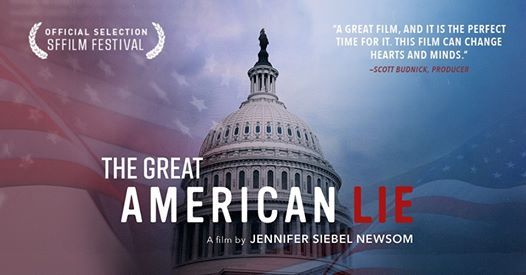
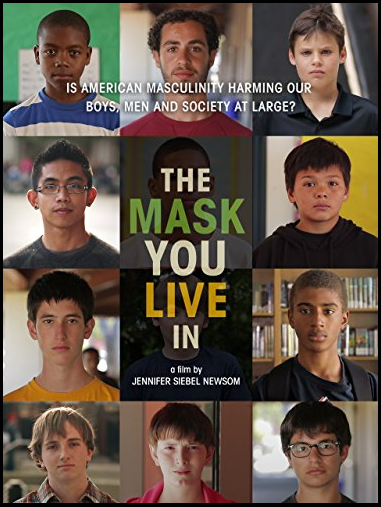
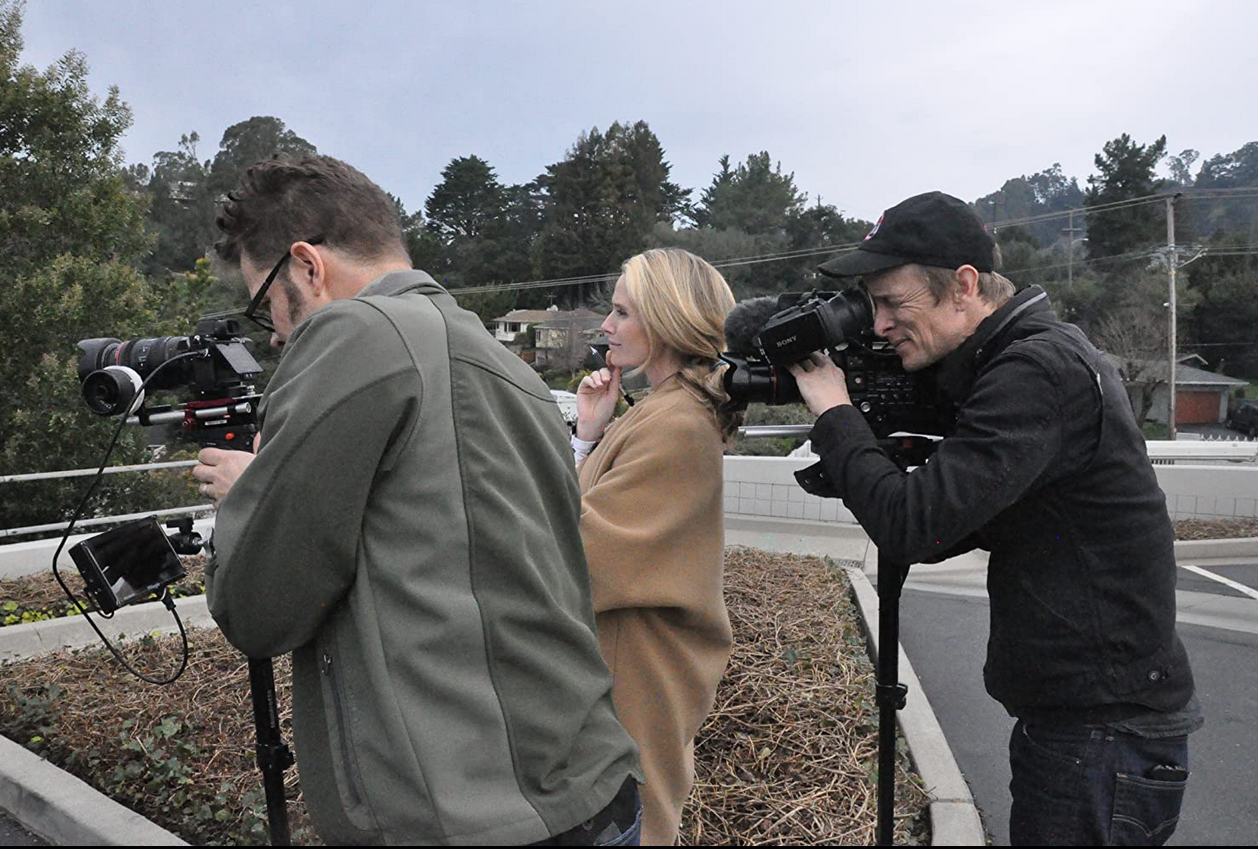 Emmy Award-winning filmmaker, and First Partner of California Jennifer Siebel Newsom’s newest documentary is The Great American Lie. The film exposes social and economic immobility, viewed through the lens of our gendered values.

 Newsome interviewing journalist Charles M. Blow for The Great American Lie
 “Veteran smokejumper Jack Elliot fells trees on a steep mountain slope high in the Montana wilderness. He’s one of a five-man crew harvesting beetle-infested pines. It’s a long road from the frenetic lifestyle of a smokejumper, but after losing most of his unit in a runaway backcountry fire, the tranquility of a quiet wood is a welcomed peace.
 His phone rings. Jack’s estranged ex-wife can’t pick up their teenage daughter from camp in Wyoming.
 After the fire, Jack lost himself, and consequently lost his family. He hasn’t seen either of them in five years. Hesitant at first, he agrees.
 When Jack arrives at Sky Camp, it’s not exactly what he was expecting. He pulls in on his ’98 Dyna, sleeping bags latched to the back, eating the dust of a black G-Wagon. When Hanna sees her Dad, out in the middle of nowhere, atop a twenty year old Harley, it’s not exactly what she’d had in mind, either. Reluctantly she gets on.
 Over the next four days, we watch these two strangers battle as they ride across the wild Montana landscape and sleep beneath her bounty of stars. Watching his baby grow into a young woman, and seeing her hero shrink to a man, a battle that starts off as face to face, slowly becomes back to back.
 But the mountains, the passersby, and the small seat of a motorcycle can only do so much to bring them together. The rest is up to them.” from the website,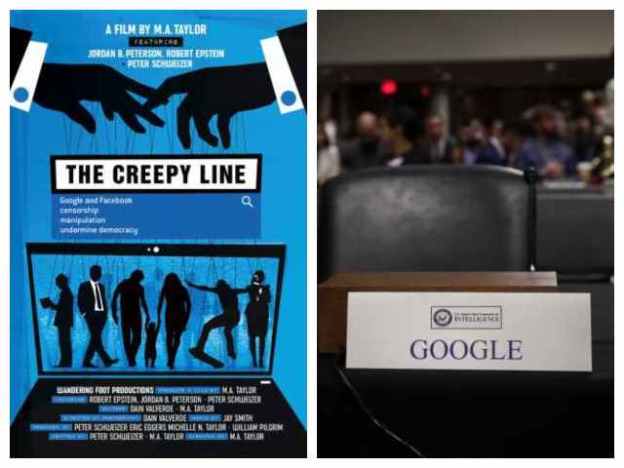

 In particular, Facebook and Google dominate the global internet, resisting meaningful regulation by government.

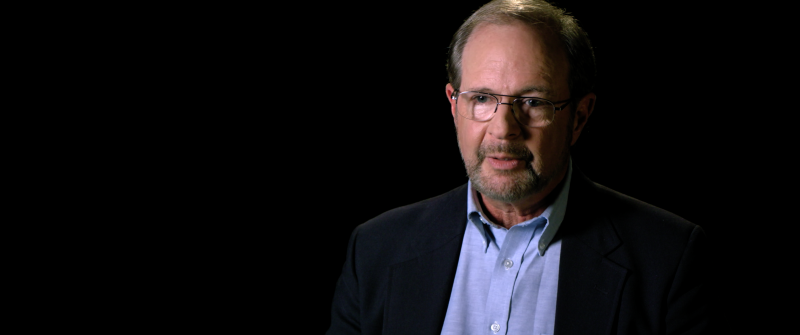 Dr. Robert Epstein had all of his Google apps from email to website abruptly blocked. He found that there was no service department to explain or remediate this violation. He has conducted numerous experiments demonstrating how platforms such as Google can change opinions of voters and consumers to astounding degrees.


 Sefali is a Green Rhinos Youth Leader in Maipith, Sundarbans, India. After a devastating cyclone hit in 2009, she organized fellow students to plant trees around their homes and school.
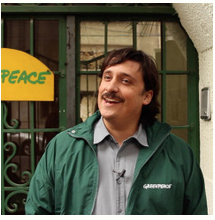 Matias Asun exchanged his job as Director of Greenpeace in Chile to become the Ambassador from the newly proclaimed Republica Glaciar after concluding that the Chilean government had abandoned glaciers. He lobbies the Legislature and pertinent boards to gain protection for them from mining companies and climate disruption.
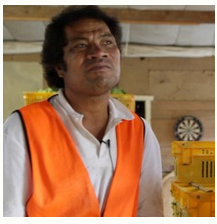 Ioane Teitiota of the island nation of Kiribati was the first person in the world to apply for climate refugee status in New Zealand. Although his island is expected to be completely inundated within 20 years, the Immigration Board ruled that he and his family were not in danger of dying, so they were sent back. Noting that if he were granted asylum on grounds of climate change it would open the floodgate for millions of others ironically confirmed his reason for being granted asylum.
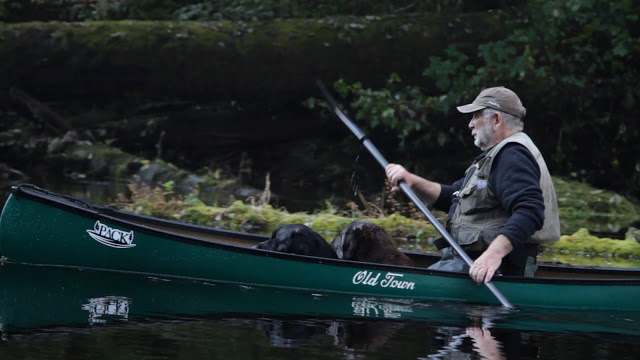
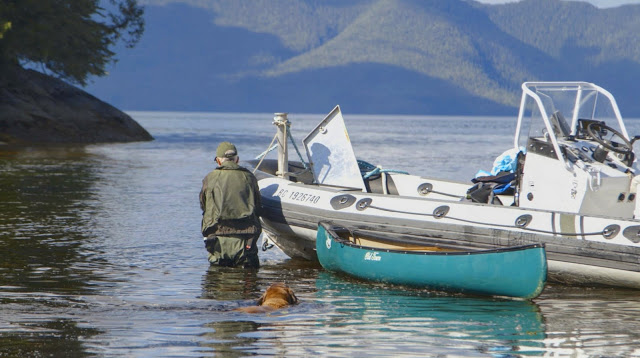
 Will Nelson is a biologist and a member of the Metlakatla Stewardship Council. They are engaged in using helicopters to map inter-tidal archeological sites to document their heritage in present day British Columbia, which they have maintained for at least the past 14,000 years. Structures such as clam gardens and clam middens establish their long-standing claims to the land to protect sensitive coastal areas from development.
 Brothers Parker and Graham Phillips co-wrote, co-directed, and co-produced a magnificent contemporary Western, THE BYGONE, which tackles difficult issues such as sex trafficking, missing and murdered Indigenous women, the decline of ranching, and the corrupting influence attending resource extraction.
 When a young rancher, Kip Summer, played by Graham Parker, crosses paths and falls in love with a Lakota girl, Waniya, from a nearby reservation, her mysterious disappearance sparks a search that uncovers a harrowing past and hints at a dire future.
 The awful realities of sex trafficking among the man camps and bars in fracking site boom towns, and the inability of overwhelmed local law enforcement to cope leads to a dramatic series of show downs and shoot-outs in the best Western tradition.
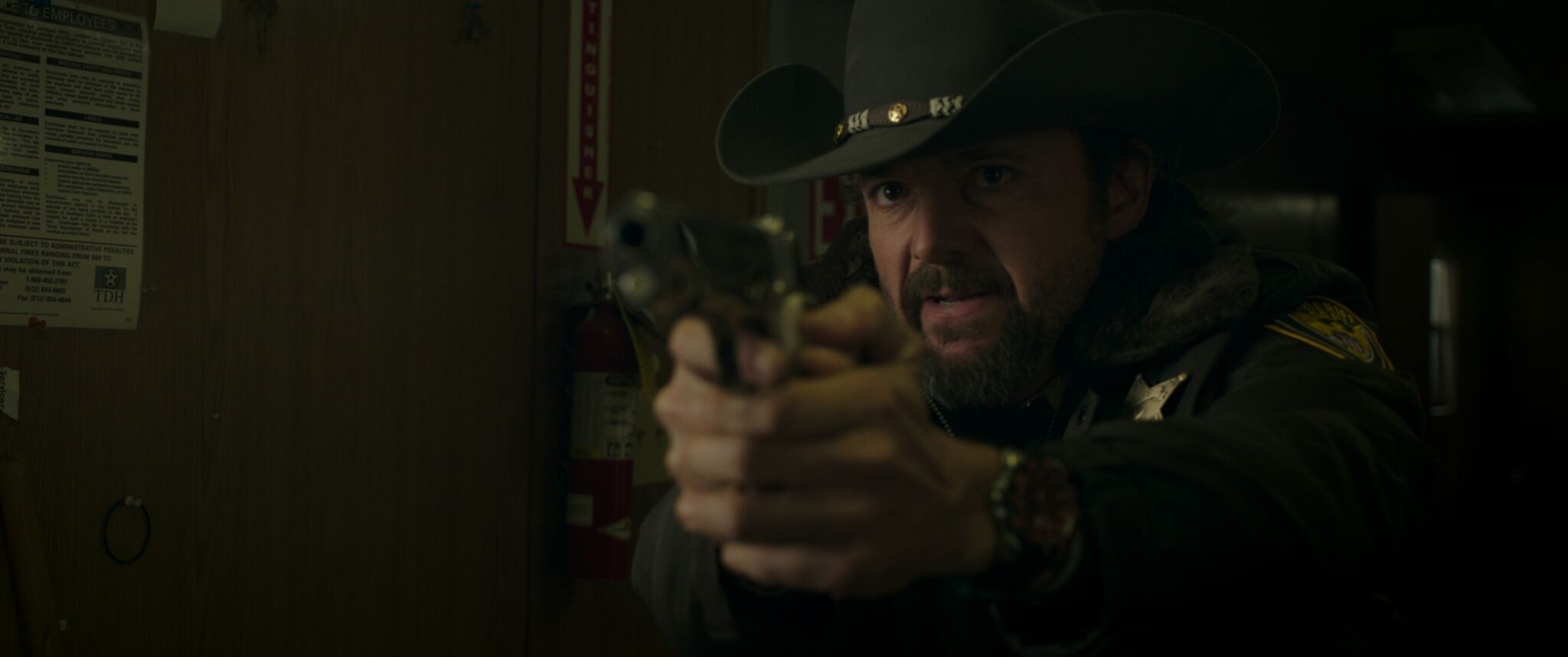 The well researched screenplay is rich with symbols and informed with a sensitivity to historic and current inequities between Indigenous and Anglo cultures, as well as the conflicts between ranching and fracking. The ensemble cast was clearly dedicated to portraying each character’s role with utter conviction.
 The cinematography serves the action far better than the normal Western and is deserving of its own award.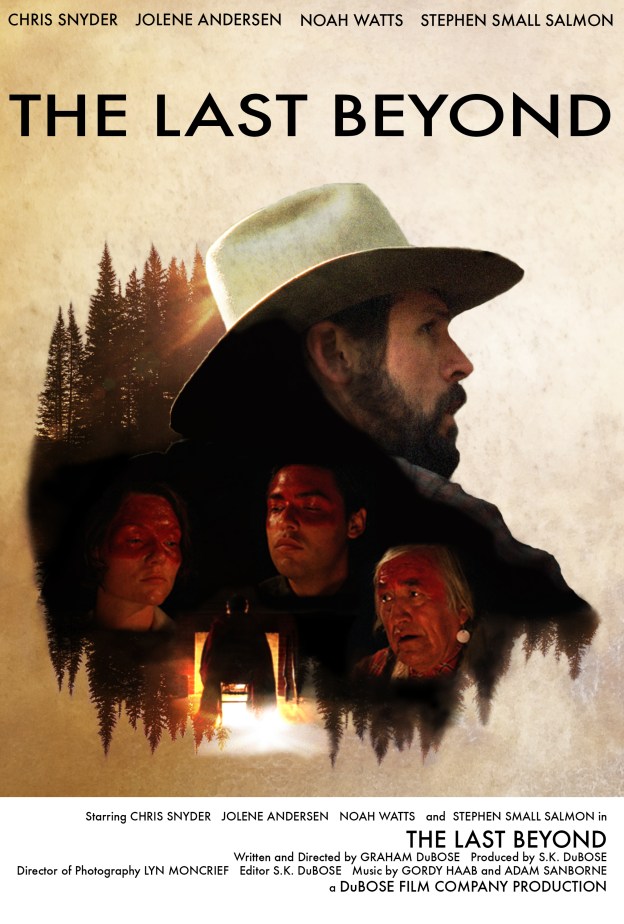
 THE LAST BEYOND is an intimate western set in Montana during the Great Depression about death, love, and rebirth. It follows a rancher named Stratton Eiseley who loses his father to illness and his ranch to foreclosure setting him adrift.
  Shortly after he meets three people and they change each other’s lives. Joe Running Elk and his grandfather, Flying Bear, are Pend o’Reille Indians who like Stratton feel like they’re living in a world that has left them behind. They become fugitives from twentieth century America and take to the mountains to make whiskey and restore their connection to the land.
  Noah Watts, who plays Joe Running Elk, is a member of the Crow and Blackfeet tribes and grew up in Bozeman, MT.
 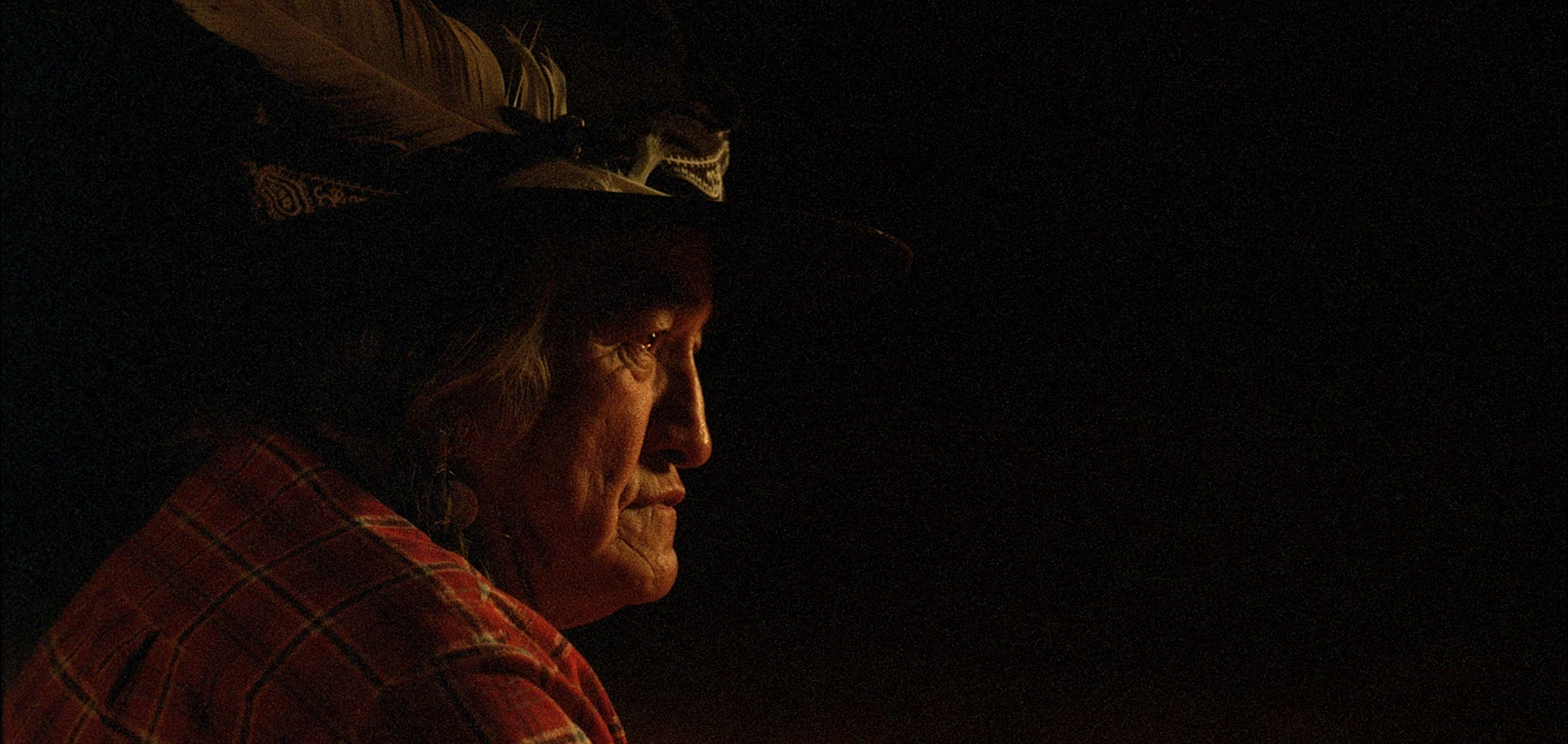 Stephen Small Salmon, who plays Flying Bear, is a Pend d’Oreille elder from the Salish-Kootenai Reservation. They converse in Salish with English subtitles.
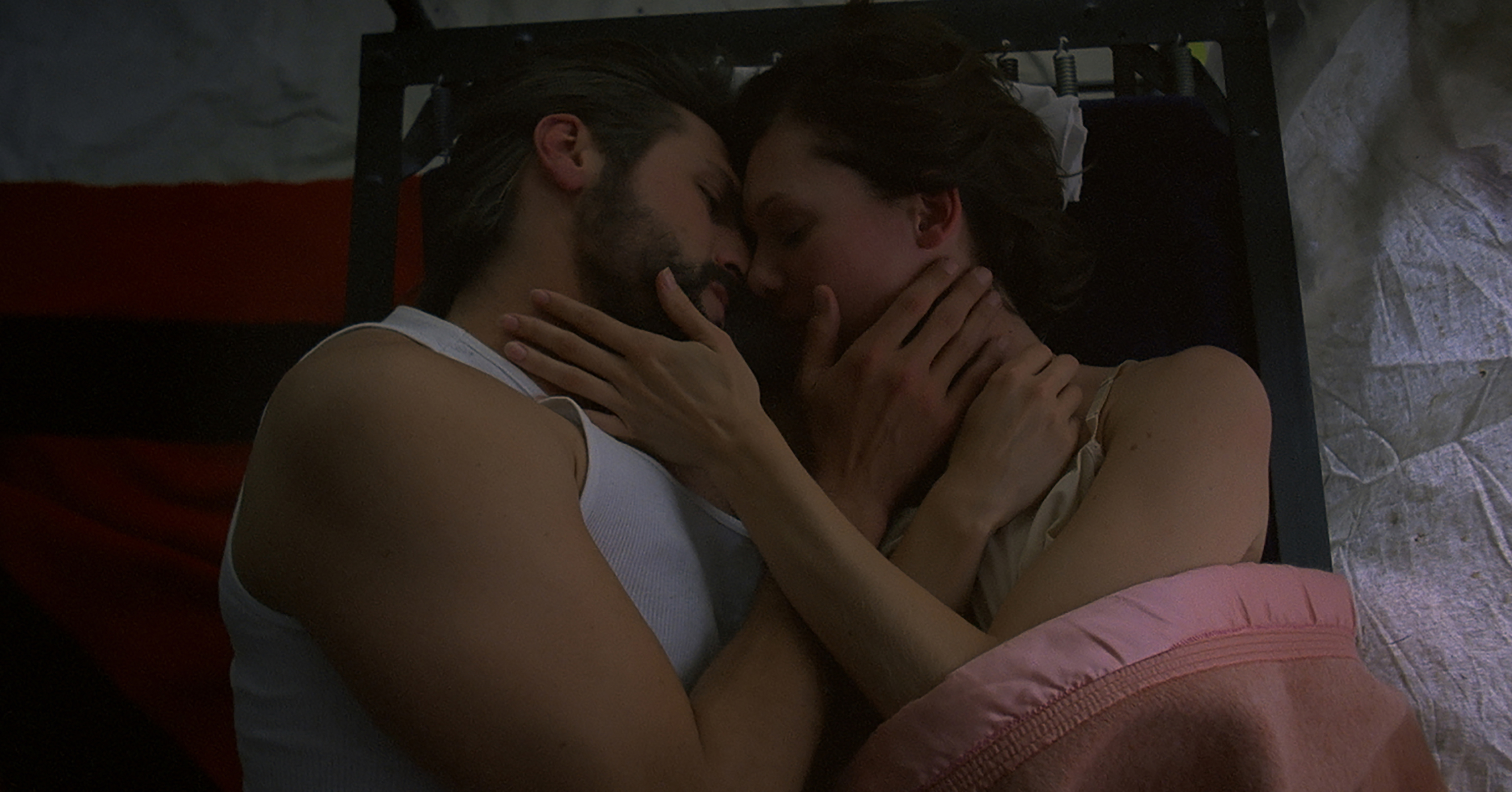 As Stratton falls in love with a writer named Gracie Loren it seems that their lives are improving, but trouble follows them.
 THE LAST BEYOND was filmed in Livingston, the Gallatin National Forest, Paradise Valley and other locations familiar to the Gallatin Valley community.
  Husband and wife filmmakers, writer/director, Graham DuBose, and editor/producer, S.K. DuBose, will be attending the screening of THE LAST BEYOND, which will be having its premiere at the upcoming BZN International Film Festival on June 7, 2019 at 3pm in the Rialto Black Box.
 Forthright Radio