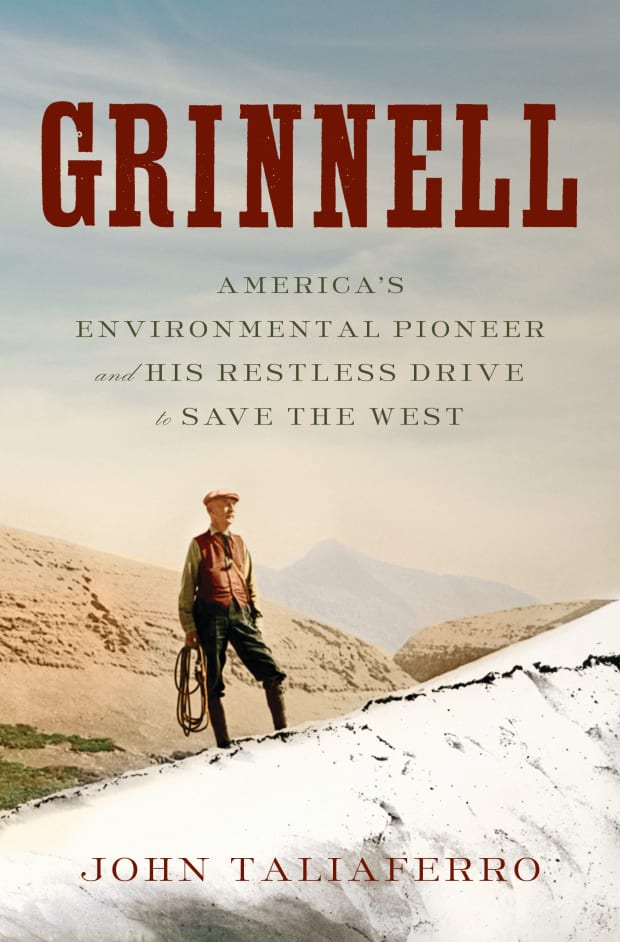
In this interview recorded on July 25, 2019, John Taliaferro discusses the extraordinary life of George Bird Grinnell, largely forgotten to conservation history. His book, Grinnell: America’s Environmental Pioneer & His Restless Drive to Save the West, is published by Liveright Publishing, a division of W. W. Norton.
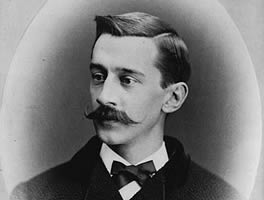
Grinnell is credited with being the first person of European descent to explore what is today Glacier National Park, as well as being instrumental in its creation
He was a founder of the Audubon Society and published The Audubon Magazine.
Grinnell was a prolific writer on many topics, including hunting, conservation, the ethnology of numerous Native American tribes, and novels about Jack, a Western boy.
Childless himself, he wrote the “Jack” books for his nephews:
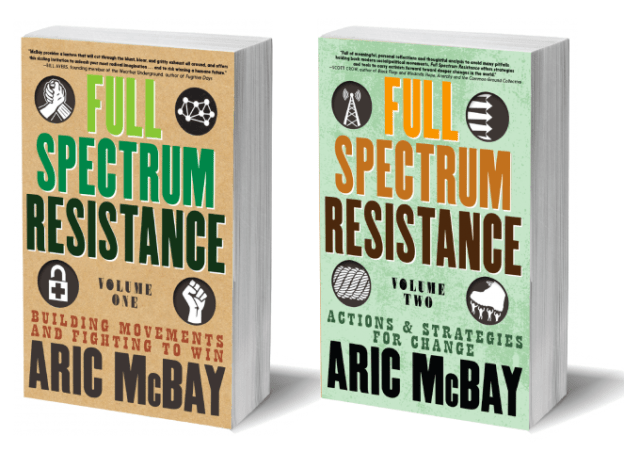
Aric McBay is an organizer, farmer, and author of four books. He writes and speaks about effective social movements, and has organized campaigns around prison justice, Indigenous solidarity, pipelines, unionization, and other causes. His books include Deep Green Resistance: Strategy to Save the Planet(with Lierre Keith & Derrick Jensen), What We Leave Behind (also with Derrick Jensen) and PEAK OIL SURVIVAL, which is the rewritten version of Tools for Gridcrash.. Today, we’ll be focusing on his latest publication, the two volume, FULL SPECTRUM RESISTANCE. Volume One is BUILDING MOVEMENTS AND FIGHTING TO WIN. Volume Two is ACTIONS AND STRATEGIES FOR CHANGE, just published by Seven Stories Press.
Aric McBay lives and farms near Kingston, Ontario, on traditional Anishinaabe and Haudenosaunee territory.
We will have a second interview with Aric on July 3, 2019.
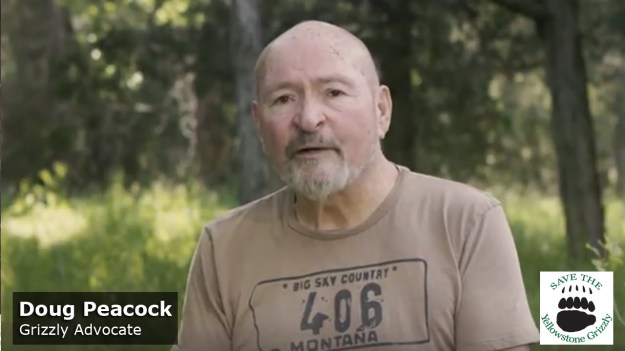
In this edition of Forthright Radio, we bring you a recording of a panel discussion from the 2019 BZN International Film Festival, featuring Mike Mease, co-founder of Buffalo Field Campaign, and Doug Peacock, writer, naturalist, filmmaker and Green Beret combat medic, who is founder of Save The Yellowstone Grizzly.
It was recorded in the Hager Auditorium of the Museum of the Rockies on June 8, 2019.
Buffalo Field Campaign (BFC) is the only group working both in the field and in the policy arenas to stop the harassment and slaughter of America’s last wild buffalo.
Formalized as a 501(c)(3) nonprofit in 1997, we also protect the natural habitat of wild free-roaming bison and other native wildlife, and stand with First Nations to honor the sacredness of wild buffalo.
Our primary goal is to create permanent year-round protection for bison and the ecosystem they depend on—including respect for the migratory needs of this long-exploited and clearly endangered species.
Save the Yellowstone Grizzly (STYG) was founded by Doug Peacock in 2016 as a response to the U.S. Fish and Wildlife Service (FWS) statement published in the Federal Register on March 3, 2016, recommending the removal of grizzly bears in the Yellowstone ecosystem from their “threatened” status under the Endangered Species Act.
On June 3, 2016, Peacock drafted a letter to President Barack Obama which emphasized the FWS’s tragic dismissal of the importance of climate change: In the last decade, climate change has decimated the Yellowstone grizzly’s most important food, the white bark pine nut.
Today, all grizzlies south of Canada are threatened by global warming, which has already decimated the Yellowstone grizzly’s most important food source, the whitebark pine nut. In August 2018, Save the Yellowstone Grizzly filed an amicus brief to address the most crucial issue and deficiency in the government’s case, climate change. Judge Christensen accepted the brief on August 29, the day before the federal hearing on delisting.
Liz Miller is a documentary maker and professor interested in new approaches to community collaborations and documentary as a way to connect personal stories to larger social concerns. She is a Full Professor in Communications Studies at Concordia University in Montreal and teaches courses in media production, methods in co-creation/ research-creation, Latin American film, Media-and-the-Environment, Food Systems and more. Her films/educational campaigns on timely issues such as water privatization, immigration, refugee rights and the environment have won international awards, been integrated into educational curricula and influenced decision makers. Liz Miller’s The Shoreline Project, which in a series of 2 dozen short films takes us around the world to meet people from myriad cultures and backgrounds, creatively responding to increasing realities of climate disruption, will be at this year’s Mendocino Film Festival in two formats: The film collection, The Shore Line, will screen at the Matheson this coming Saturday June – 1 at12:30 pm. The full interactive exhibit of The Shoreline Project, will be on display at the Festival Headquarters in Odd Fellows Hall, during the entire festival.
Sefali is a Green Rhinos Youth Leader in Maipith, Sundarbans, India. After a devastating cyclone hit in 2009, she organized fellow students to plant trees around their homes and school.
Matias Asun exchanged his job as Director of Greenpeace in Chile to become the Ambassador from the newly proclaimed Republica Glaciar after concluding that the Chilean government had abandoned glaciers. He lobbies the Legislature and pertinent boards to gain protection for them from mining companies and climate disruption.
Ioane Teitiota of the island nation of Kiribati was the first person in the world to apply for climate refugee status in New Zealand. Although his island is expected to be completely inundated within 20 years, the Immigration Board ruled that he and his family were not in danger of dying, so they were sent back. Noting that if he were granted asylum on grounds of climate change it would open the floodgate for millions of others ironically confirmed his reason for being granted asylum.
Will Nelson is a biologist and a member of the Metlakatla Stewardship Council. They are engaged in using helicopters to map inter-tidal archeological sites to document their heritage in present day British Columbia, which they have maintained for at least the past 14,000 years. Structures such as clam gardens and clam middens establish their long-standing claims to the land to protect sensitive coastal areas from development.
After the interview with Liz Miller, we reported on the US Navy’s proposed Training & Testing, reading a PSA from Thaïs Mazur:
The Navy is seeking Federal Regulatory Permits under the Marine Mammal Protection Act (MMPA) and the Endangered Species Act (ESA) to do weapons testing off the Mendocino coast, requesting a seven year permit to do the testing and training 12 miles offshore.
This is part of the larger Northwest Navy Training and Testing from Alaska to Northern California. The coast of Mendocino is a major migration route for gray whales and humpbacks.
The Navy is proposing activities that include anti-submarine warfare exercises involving tracking aircraft and sonar; surface-to-air gunnery and missile exercises; air-to-surface bombing exercises; and extensive testing for several new weapons systems.
U.S. Navy training exercises in the Pacific Ocean could kill, injure, or harm dozens of protected species of marine mammals — Southern Resident killer whales, blue whales, humpback whales, dolphins, and porpoises — through the use of high-intensity, mid-frequency sonar, which harass whales, dolphins and other marine mammals, 12.5 million times over the next five years. The use of sonar has been directly connected to many instances of beached whales, that have died from erupting lungs, ruptured ear drums and organ damage after military sonar exercises. Sonar exercises have also been found to cause mass strandings of whales.
The Navy is accepting comments on the DRAFT Supplemental EIS through June 12, 2019. Here is the link: https://www.nwtteis.com/PublicInvolvement/Public-Comment
Brothers Parker and Graham Phillips co-wrote, co-directed, and co-produced a magnificent contemporary Western, THE BYGONE, which tackles difficult issues such as sex trafficking, missing and murdered Indigenous women, the decline of ranching, and the corrupting influence attending resource extraction.When a young rancher, Kip Summer, played by Graham Parker, crosses paths and falls in love with a Lakota girl, Waniya, from a nearby reservation, her mysterious disappearance sparks a search that uncovers a harrowing past and hints at a dire future.The awful realities of sex trafficking among the man camps and bars in fracking site boom towns, and the inability of overwhelmed local law enforcement to cope leads to a dramatic series of show downs and shoot-outs in the best Western tradition.The well researched screenplay is rich with symbols and informed with a sensitivity to historic and current inequities between Indigenous and Anglo cultures, as well as the conflicts between ranching and fracking. The ensemble cast was clearly dedicated to portraying each character’s role with utter conviction.The cinematography serves the action far better than the normal Western and is deserving of its own award.
The Bygone will be having its premiere at the BZN International Film Festival on Friday, June 7 at 8pm in the Rialto Black Box. The filmmakers expect to attend for a Q&A.
For more information or to purchase tickets: bozemanfilmcelebration.com
THE LAST BEYOND is an intimate western set in Montana during the Great Depression about death, love, and rebirth. It follows a rancher named Stratton Eiseley who loses his father to illness and his ranch to foreclosure setting him adrift. Shortly after he meets three people and they change each other’s lives. Joe Running Elk and his grandfather, Flying Bear, are Pend o’Reille Indians who like Stratton feel like they’re living in a world that has left them behind. They become fugitives from twentieth century America and take to the mountains to make whiskey and restore their connection to the land. Noah Watts, who plays Joe Running Elk, is a member of the Crow and Blackfeet tribes and grew up in Bozeman, MT. Stephen Small Salmon, who plays Flying Bear, is a Pend d’Oreille elder from the Salish-Kootenai Reservation. They converse in Salish with English subtitles.As Stratton falls in love with a writer named Gracie Loren it seems that their lives are improving, but trouble follows them.THE LAST BEYOND was filmed in Livingston, the Gallatin National Forest, Paradise Valley and other locations familiar to the Gallatin Valley community. Husband and wife filmmakers, writer/director, Graham DuBose, and editor/producer, S.K. DuBose, will be attending the screening of THE LAST BEYOND, which will be having its premiere at the upcoming BZN International Film Festival on June 7, 2019 at 3pm in the Rialto Black Box.
For more information or to purchase passes: bozemanfilmcelebration.com
David Treuer is Ojibwe from the Leech Lake Reservation in northern Minnesota. The author of four previous novels, most recently Prudence, and two books of nonfiction, he has also written for The New York Times, Los Angeles Times, Esquire, Slate, and The Washington Post, among others. He has a Ph.D. in anthropology and teaches literature and creative writing at the University of Southern California.
David Treuer’s latest book, THE HEARTBEAT OF WOUNDED KNEE: NATIVE AMERICA FROM 1890 TO THE PRESENT, is published by Riverhead Books.
Here is an edited extract from The Heartbeat at Wounded Knee: Native America from 1890 to the Present, referenced in this interview, which was published in The Guardian.
Julian Brave NoiseCat is an enrolled member of the Canim Lake Band Tsq’escen in British Columbia. He is a graduate of Columbia University, and received a Clarendon Scholarship to study global and imperial history at the University of Oxford. He was formerly the native issues fellow at The Huffington Post. He writes for The Guardian, The Nation, The Paris Review, CBC, Vice, Pacific Standard, Dissent, Jacobin, Fusion, Indian Country Today, Salon, High Country News, Canadian Geographic, Frontier Magazine, World Policy Journal as well as other publications.
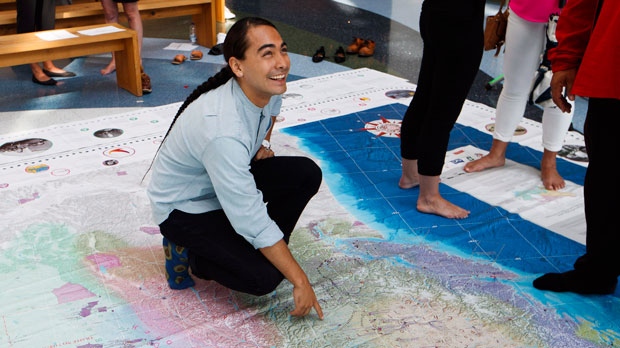
Julian Brave NoiseCat, a contributing editor of the newly unveiled Indigenous Peoples Atlas of Canada, points on a giant map at a launch event in Toronto, Wednesday August 29, 2018. The Indigenous Peoples Atlas of Canada includes a four volume print atlas, an online atlas, an app, and a giant floor map. (THE CANADIAN PRESS/Mark Blinch)
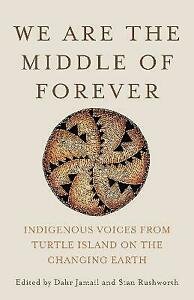
We first had Dahr Jamail on Forthright Radio in March, 2005 with Mark Manning, to discuss what was going on with the U.S.’s Second Siege of Fallujah, Iraq. He courageously went there un-embedded and defied the military information blockade to report what had actually happened there. Since then he has been our guest five times over the years.
For the past few years, he has been focusing on Climate Disruption in various journals, including truthout.org, where he had been publishing monthly Climate Dispatches.
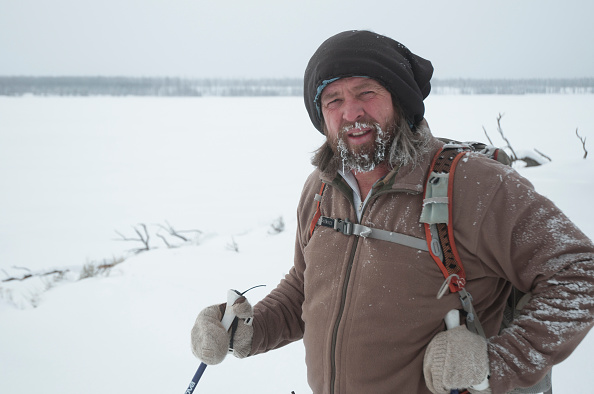
And now his book, THE END OF ICE: BEARING WITNESS AND FINDING MEANING IN THE PATH OF CLIMATE DISRUPTION has been published by The New Press. He goes to many places around the world and speaks with indigenous people and scientists on the front lines of what can only be described as an accelerating global disaster of human caused climate disruption, geological change and mass extinction. Unlike most other narratives of climate disruption, not only does he document the science, but he also addresses the emotional, psychological, philosophical and ethical dimensions.
I was struck by a simple observation he makes between the outlook of dominant settler colonialist cultures, which speak of rights, and of most indigenous cultures, which emphasize obligations. That lead to what one of your interviewees called “the con job of hope and hopelessness,” and what you say is “the necessity of unblocking grief.”
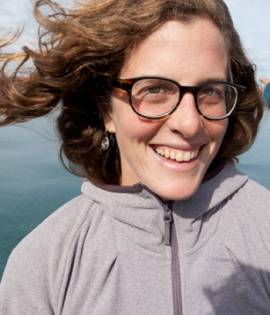
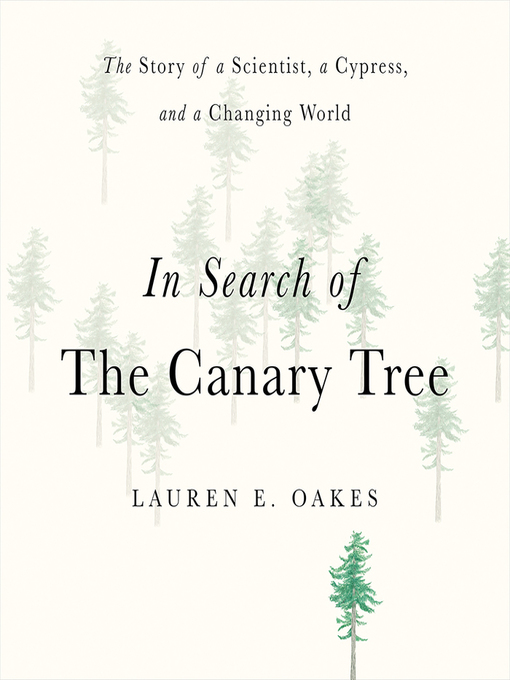
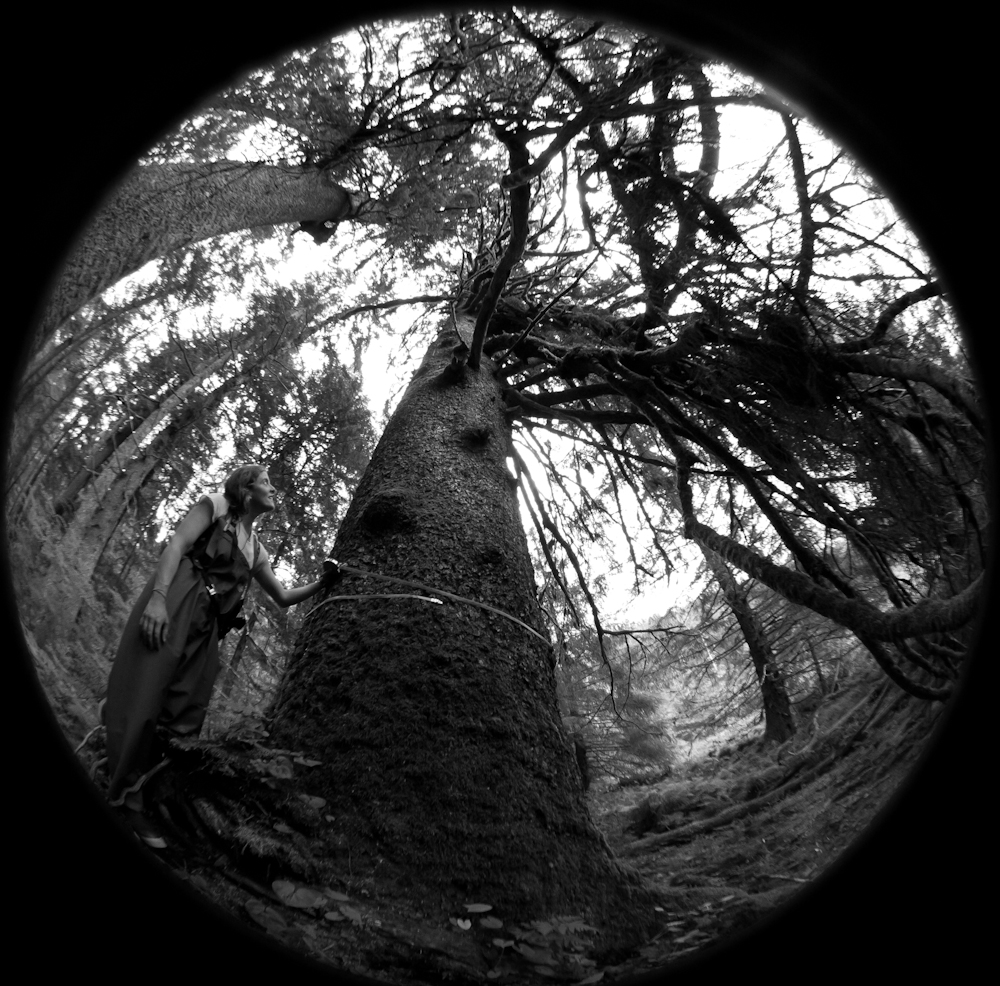
IN SEARCH OF THE CANARY TREE: THE STORY OF A SCIENTIST, A CYPRESS, AND A CHANGING WORLD, published by Basic Books, chronicles the six years Lauren E. Oakes, PhD, spent beginning in 2010, as a young Stanford University scientist, doing doctoral research in South East Alaska, studying the mysterious die-back of ancient yellow cedar trees. Hers was a multi-disciplinary approach. In addition to the grueling field work studying thousand of trees, and countless other plants in the changing forests, she also interviewed local folks, including native Tlingit weavers, timber operators, other scientists, and just regular folks who enjoy the forests for recreation. There were many surprises along the way, which she shares with us in this interview.

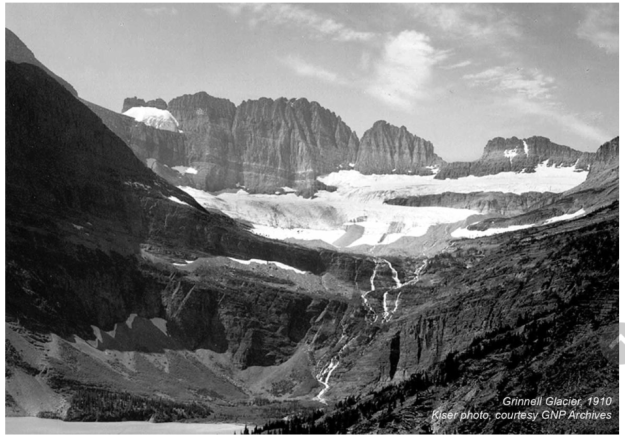

 He was a founder of the Audubon Society and published The Audubon Magazine.


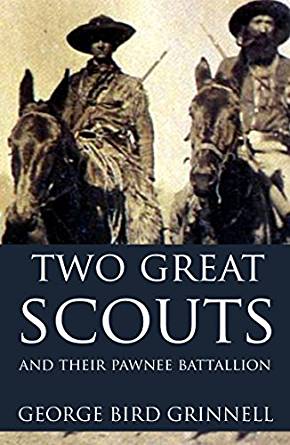


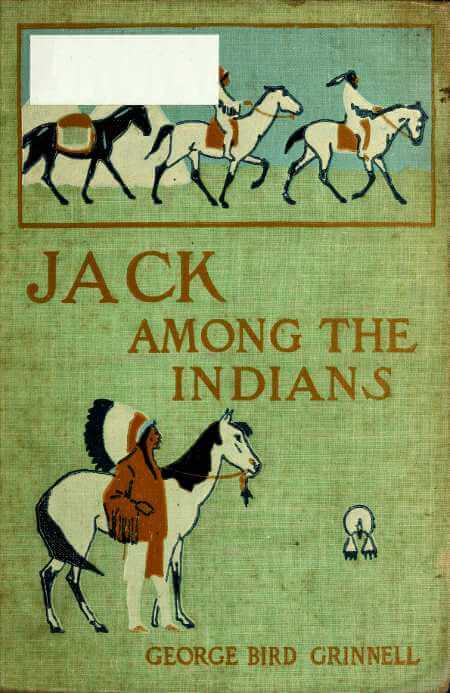
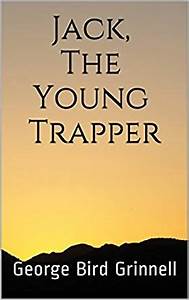



 According to their website (
 According to their website (
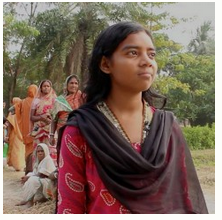 Sefali is a Green Rhinos Youth Leader in Maipith, Sundarbans, India. After a devastating cyclone hit in 2009, she organized fellow students to plant trees around their homes and school.
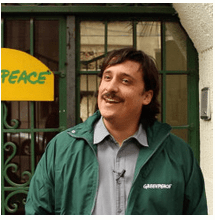 Matias Asun exchanged his job as Director of Greenpeace in Chile to become the Ambassador from the newly proclaimed Republica Glaciar after concluding that the Chilean government had abandoned glaciers. He lobbies the Legislature and pertinent boards to gain protection for them from mining companies and climate disruption.
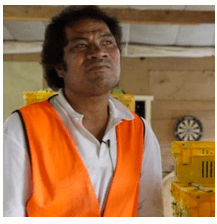 Ioane Teitiota of the island nation of Kiribati was the first person in the world to apply for climate refugee status in New Zealand. Although his island is expected to be completely inundated within 20 years, the Immigration Board ruled that he and his family were not in danger of dying, so they were sent back. Noting that if he were granted asylum on grounds of climate change it would open the floodgate for millions of others ironically confirmed his reason for being granted asylum.
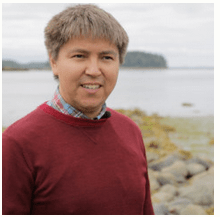 Will Nelson is a biologist and a member of the Metlakatla Stewardship Council. They are engaged in using helicopters to map inter-tidal archeological sites to document their heritage in present day British Columbia, which they have maintained for at least the past 14,000 years. Structures such as clam gardens and clam middens establish their long-standing claims to the land to protect sensitive coastal areas from development.
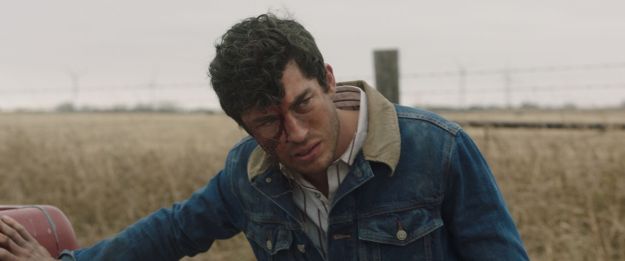 Brothers Parker and Graham Phillips co-wrote, co-directed, and co-produced a magnificent contemporary Western, THE BYGONE, which tackles difficult issues such as sex trafficking, missing and murdered Indigenous women, the decline of ranching, and the corrupting influence attending resource extraction.
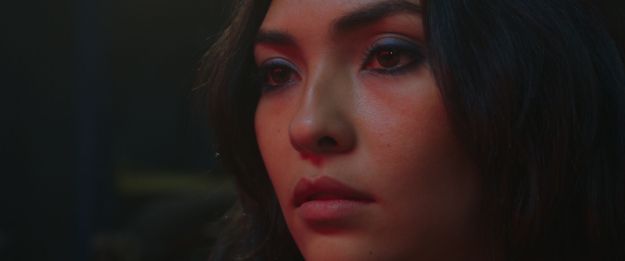 When a young rancher, Kip Summer, played by Graham Parker, crosses paths and falls in love with a Lakota girl, Waniya, from a nearby reservation, her mysterious disappearance sparks a search that uncovers a harrowing past and hints at a dire future.
 The awful realities of sex trafficking among the man camps and bars in fracking site boom towns, and the inability of overwhelmed local law enforcement to cope leads to a dramatic series of show downs and shoot-outs in the best Western tradition.
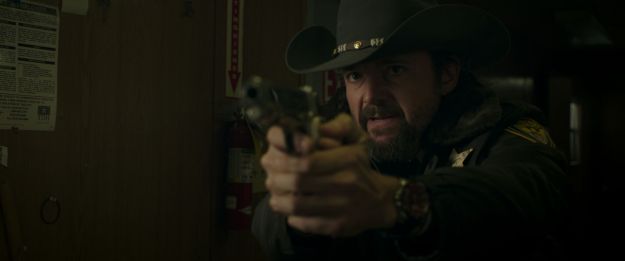 The well researched screenplay is rich with symbols and informed with a sensitivity to historic and current inequities between Indigenous and Anglo cultures, as well as the conflicts between ranching and fracking. The ensemble cast was clearly dedicated to portraying each character’s role with utter conviction.
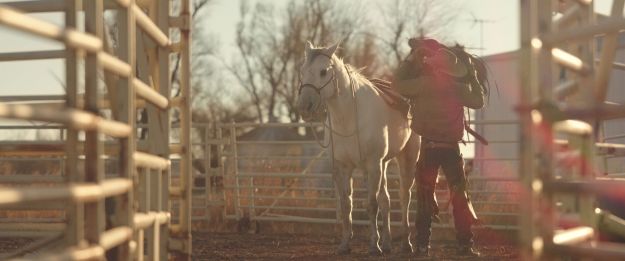 The cinematography serves the action far better than the normal Western and is deserving of its own award.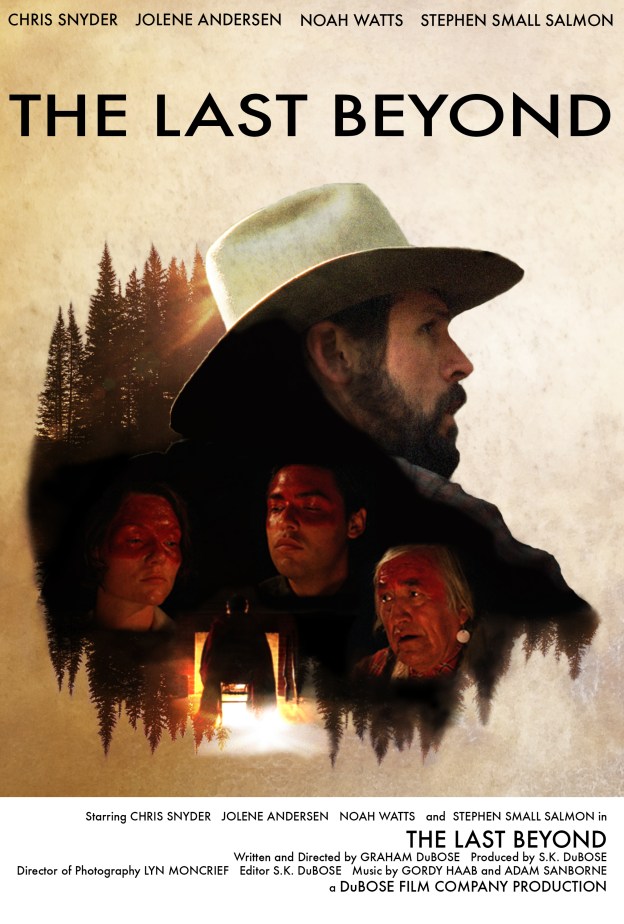
 THE LAST BEYOND is an intimate western set in Montana during the Great Depression about death, love, and rebirth. It follows a rancher named Stratton Eiseley who loses his father to illness and his ranch to foreclosure setting him adrift.
  Shortly after he meets three people and they change each other’s lives. Joe Running Elk and his grandfather, Flying Bear, are Pend o’Reille Indians who like Stratton feel like they’re living in a world that has left them behind. They become fugitives from twentieth century America and take to the mountains to make whiskey and restore their connection to the land.
  Noah Watts, who plays Joe Running Elk, is a member of the Crow and Blackfeet tribes and grew up in Bozeman, MT.
  Stephen Small Salmon, who plays Flying Bear, is a Pend d’Oreille elder from the Salish-Kootenai Reservation. They converse in Salish with English subtitles.
 As Stratton falls in love with a writer named Gracie Loren it seems that their lives are improving, but trouble follows them.
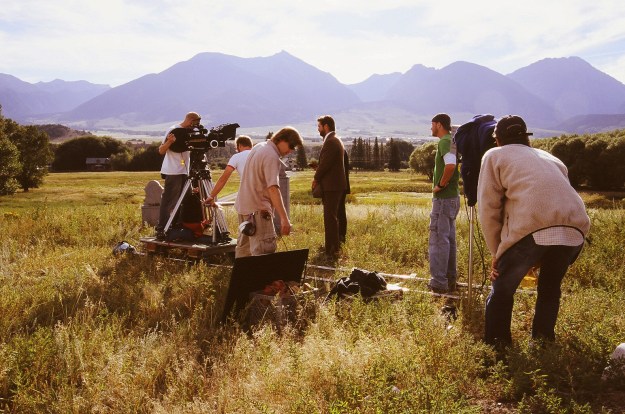
 THE LAST BEYOND was filmed in Livingston, the Gallatin National Forest, Paradise Valley and other locations familiar to the Gallatin Valley community.
  Husband and wife filmmakers, writer/director, Graham DuBose, and editor/producer, S.K. DuBose, will be attending the screening of THE LAST BEYOND, which will be having its premiere at the upcoming BZN International Film Festival on June 7, 2019 at 3pm in the Rialto Black Box.