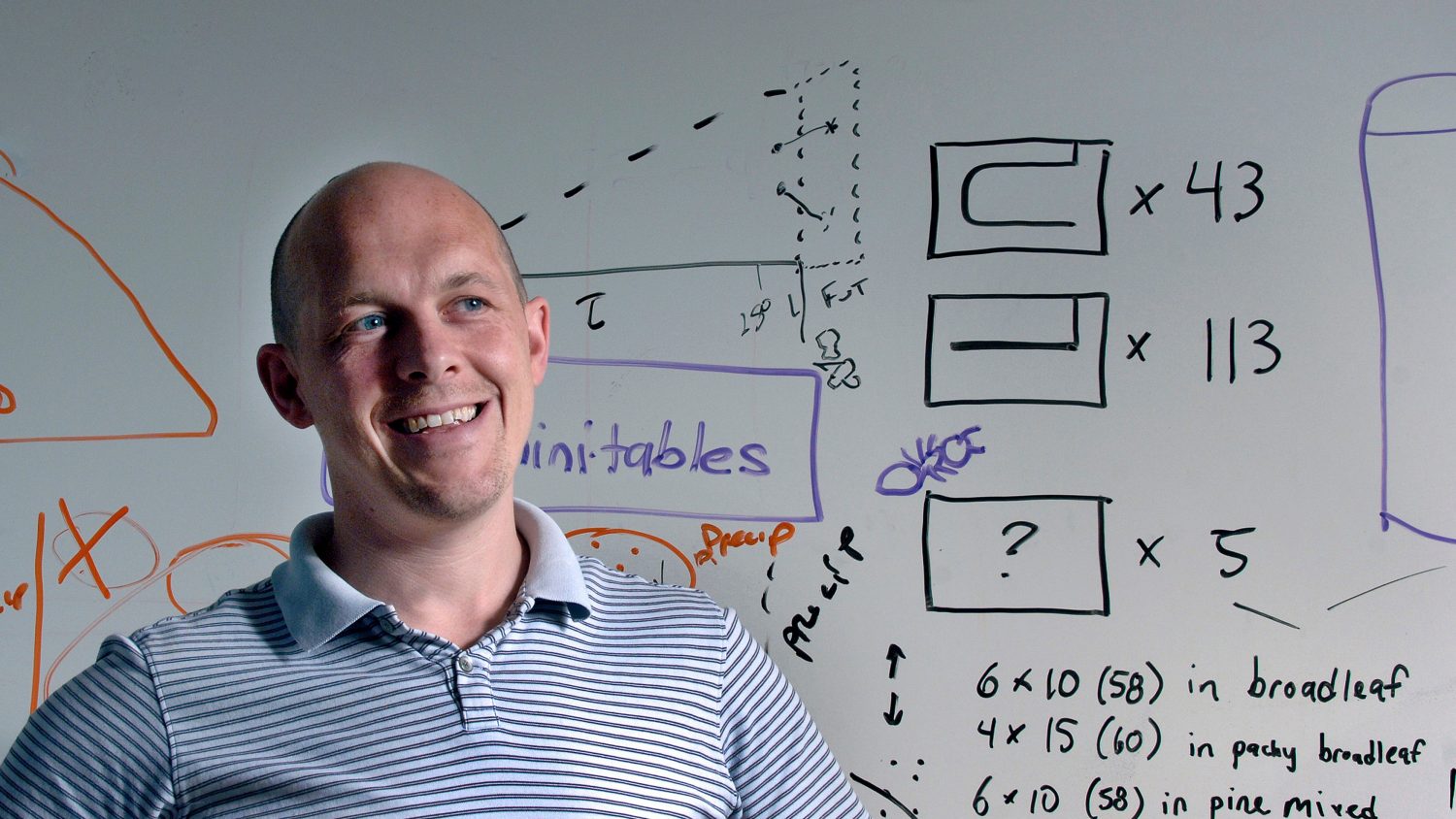
More than ten years ago, scientists at North Carolina State University dared to go where few had gone before. They began to explore the biodiversity of backyards, bedrooms, belly buttons, and more. But they didn’t do it alone. The work required the collaboration of scientists at many other universities, as well as that of thousands of non-scientists around the world, including children, who helped to take samples, ask questions and even to think about new kinds of analyses. NEVER HOME ALONE: FROM MICROBES TO MILLIPEDES, CAMEL CRICKETS, AND HONEYBEES, THE NATURAL HISTORY OF WHERE WE LIVE, published by Basic Books, tells the big story of the tens of thousands of species discovered in our homes. It argues that, as often as not, more biodiversity in your home ends up being better than less.
Rob Dunn is a biologist in the Department of Applied Ecology at North Carolina State University. Central to all of his work is the sense that big discoveries lurk not only in faraway tropical forests, but also in our homes and neighborhoods. His books include, EVERY LIVING THING; THE WILDLIFE OF OUR BODIES: PREDATORS, PARASITES AND PARTNERS THAT SHAPE WHO WE ARE TODAY; THE MAN WHO TOUCHED HIS OWN HEART; and NEVER OUT OF SEASON.
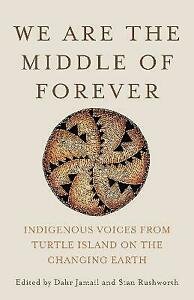
We first had Dahr Jamail on Forthright Radio in March, 2005 with Mark Manning, to discuss what was going on with the U.S.’s Second Siege of Fallujah, Iraq. He courageously went there un-embedded and defied the military information blockade to report what had actually happened there. Since then he has been our guest five times over the years.
For the past few years, he has been focusing on Climate Disruption in various journals, including truthout.org, where he had been publishing monthly Climate Dispatches.
And now his book, THE END OF ICE: BEARING WITNESS AND FINDING MEANING IN THE PATH OF CLIMATE DISRUPTION has been published by The New Press. He goes to many places around the world and speaks with indigenous people and scientists on the front lines of what can only be described as an accelerating global disaster of human caused climate disruption, geological change and mass extinction. Unlike most other narratives of climate disruption, not only does he document the science, but he also addresses the emotional, psychological, philosophical and ethical dimensions.
I was struck by a simple observation he makes between the outlook of dominant settler colonialist cultures, which speak of rights, and of most indigenous cultures, which emphasize obligations. That lead to what one of your interviewees called “the con job of hope and hopelessness,” and what you say is “the necessity of unblocking grief.”
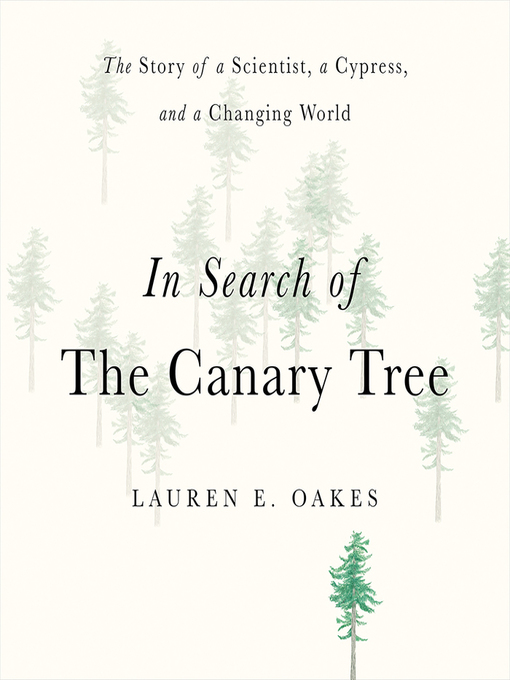
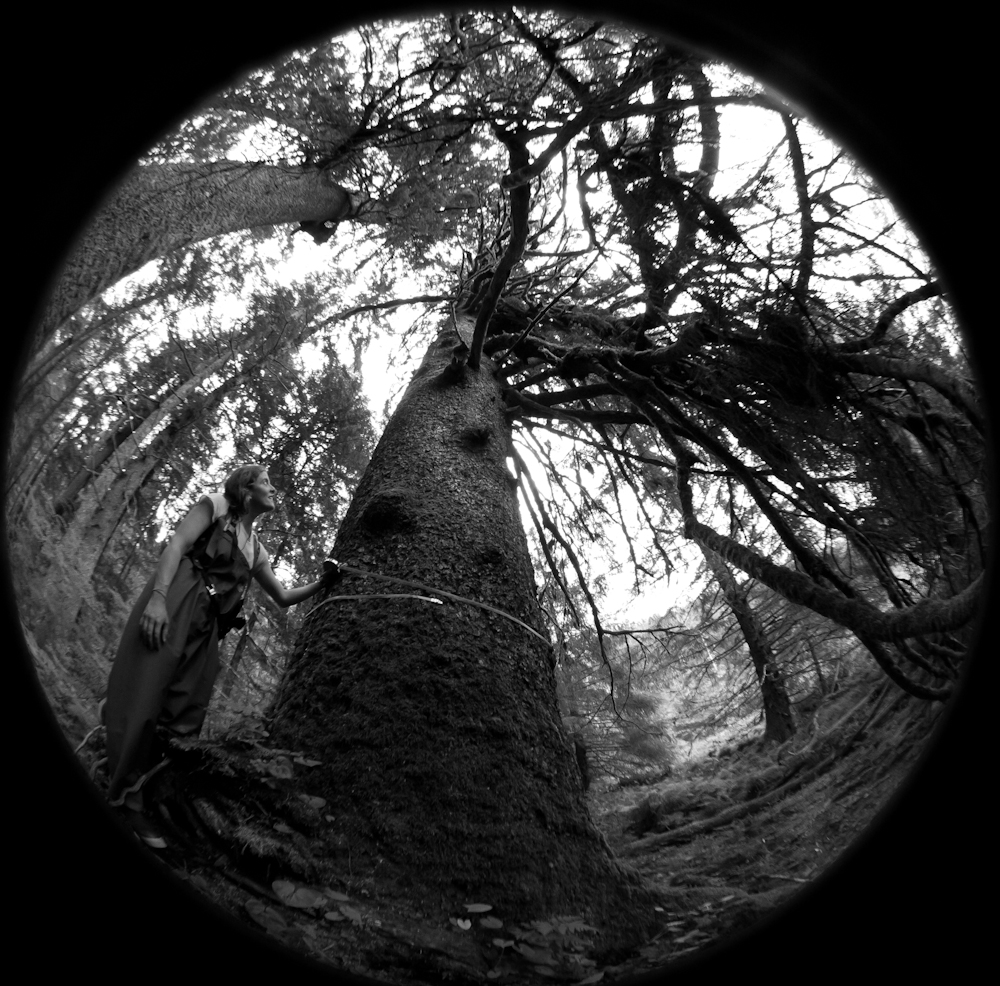
IN SEARCH OF THE CANARY TREE: THE STORY OF A SCIENTIST, A CYPRESS, AND A CHANGING WORLD, published by Basic Books, chronicles the six years Lauren E. Oakes, PhD, spent beginning in 2010, as a young Stanford University scientist, doing doctoral research in South East Alaska, studying the mysterious die-back of ancient yellow cedar trees. Hers was a multi-disciplinary approach. In addition to the grueling field work studying thousand of trees, and countless other plants in the changing forests, she also interviewed local folks, including native Tlingit weavers, timber operators, other scientists, and just regular folks who enjoy the forests for recreation. There were many surprises along the way, which she shares with us in this interview.
This was the very first edition of what would become Forthright Radio. It was originally broadcast in November, 2004. We spoke with John M. Barry, author of the book, THE GREAT INFLUENZA: THE EPIC STORY OF THE DEADLIEST PLAGUE IN HISTORY. 100 years ago, in 1918, as a war weary world sought to bring those years of horror we call World War I to an end, another horror arose – a new, virulent and highly contagious strain of influenza, which within, a year spread rapidly around the world. We’ll never know the exact number of those killed, but it is estimated that a minimum of 50 million, and as many as 100 million died. At today’s population level, that would be between 150 million and 300 million dead worldwide. As we begin the annual flu season, our guest, John M. Barry, tells us what we know about this pandemic and warns of the possibility of such a global pandemic occurring again in our own time. But this is not just a history of a medical disease, his depiction of the politics of the war-time situation has disturbing foreshadowing of some of the same polarized dynamics with which we find ourselves grappling today, where truth is dismissed as an arbitrary term and “the force of an idea lies in it’s inspirational value. It matters very little whether it is true or false.” As Mark Twain put it so well, History doesn’t repeat itself, but it often rhymes. Although this interview was conducted in 2004, when George W. Bush was president, and we were 9 months into our invasion of Iraq, and the parallels to the Wilson administration are noted, some of those parallels seem even more pertinent today under the current administration.
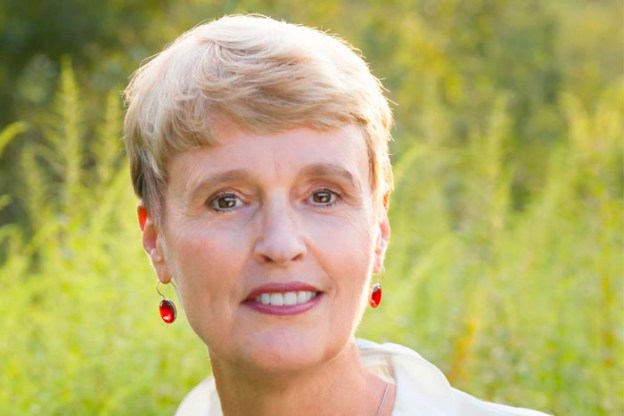
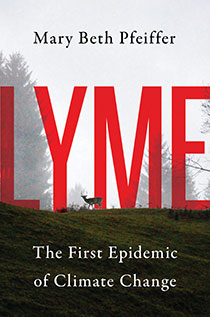
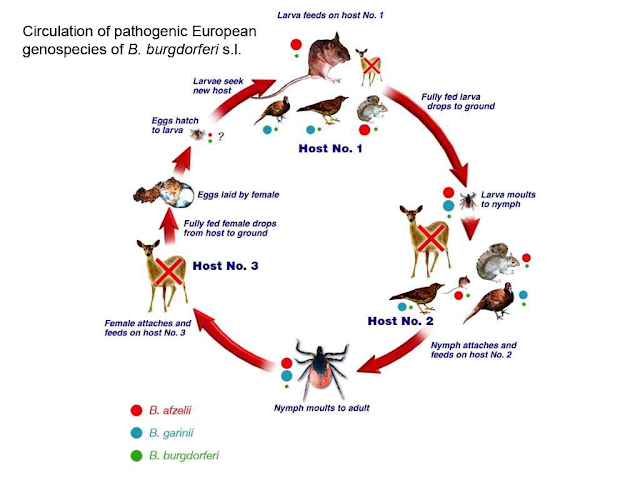
Our guest on this edition of Forthright Radio is award winning investigative journalist, Mary Beth Pfeiffer. Her latest book is LYME: THE FIRST EPIDEMIC OF CLIMATE CHANGE (Island Press, 2018). Over the years, we have interviewed numerous guests on different aspects of Lyme Disease. None of them has gone into such depth, nor been so global in scope, nor addressed so critically and effectively the issues of, not only Lyme Disease, but other tick-borne diseases, of which there are an ever expanding number recognized – but as importantly, investigating the politics and economics of the science and medical guidelines, which have defied logic, common sense, medical ethics or compassion. As you will hear, there are elements of a darker age – some say, An Inquisition, in the current state of governmental, university and medical research, funding and protocols.
Mary Beth Pfeiffer has been an award-winning investigative journalist for three decades, who has specialized in social justice, environmental and health issues. In addition to her latest book, LYME: THE FIRST EPIDEMIC OF CLIMATE CHANGE, she is also author of Crazy in America: The Hidden Tragedy of Our Criminalized Mentally Ill, which is a critically acclaimed look at treatment of the mentally ill in prisons and jails in the United States.
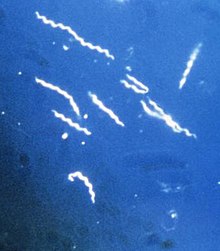
Borrelia burgdorferii’s corkscrew shape allows it to penetrate into heart muscle and to cross the blood-brain barrier, as well as other organs. Lyme carditis can be deadly, as are deaths by suicide of some Lyme sufferers. And like that other “Great Imitator” spirochete, Syphilis, it can cross the placenta to infect the fetus, causing miscarriage and congenital health problems.
Ixodes scapularis, the host of the Lyme spirochete, thrives in modern human altered environments and the warming, more humid weather patterns of climate change.
Tick-borne diseases are on the rise in many parts of the world.
Long lived for an arachnid, ticks need only feed once during each of their life cycles, which may span 3 years. The Lyme spirochete actually increases the fertility, viability and longevity of the ticks. At least one tick species can reproduce without fertilization from males.
Although the “bulls eye” rash, erythema migrans, is the only definitive symptom considered diagnostic for Lyme Disease, according to a CDC study of 150,000 cases, it appeared in only 69.2% of patients. What about the other 30%?
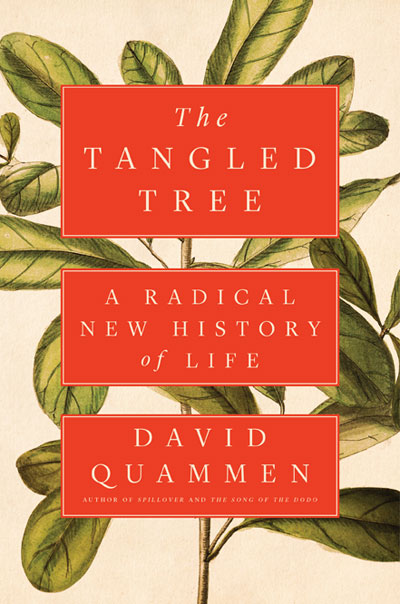
I am delighted to welcome back to Forthright Radio, award winning author, journalist, David Quammen. He was our guest 5 years ago after his book, SPILLOVER: Animal Infections and the Next Human Pandemic was published. His latest book, THE TANGLED TREE: A RADICAL NEW HISTORY OF LIFE, published by Simon & Schuster came out a couple of weeks ago. And lest you think this book, being about science – the research and theorizing – isn’t something you’d be interested in – let me tell you, this recent research reveals just how bacteria become resistant to our most potent antibiotics so quickly and fatally to so many, or how Horizontal Gene Transfer not only allowed for evolution, but may explain how certain cancers develop – as well as questioning our most basic concepts of ourselves as a species and individuals. And this puts a new meaning on “Tree Huggers” and “Tree Cutters”.
David Quammen has won many awards for his books and magazine articles, including from the National Association of Science Writers, and the Society of Biology (UK) Book Award in General Biology. His work with National Geographic is particularly noteworthy, and has taken him on myriad, lengthy difficult treks, which distinguish him from most authors, such as chronicling J. Michael Fay’s 2,000 mile survey hike through the forests of Central Africa, The Megatransect.
Charles Darwin speculated on the evolution of life as a tree, with “I think” written on top.
A popular 20th century version based on Darwin’s idea of a tree of evolution. At least this one, doesn’t place humans explicitly above other species.
In the 20th century there has been a tumultuous debate as to how best to characterize the concept of evolution. Is it a tree? Is it a web? Is it a net? A mosaic?
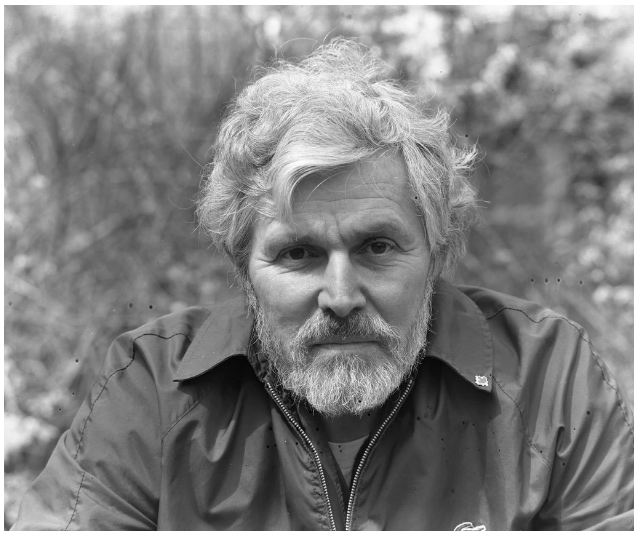
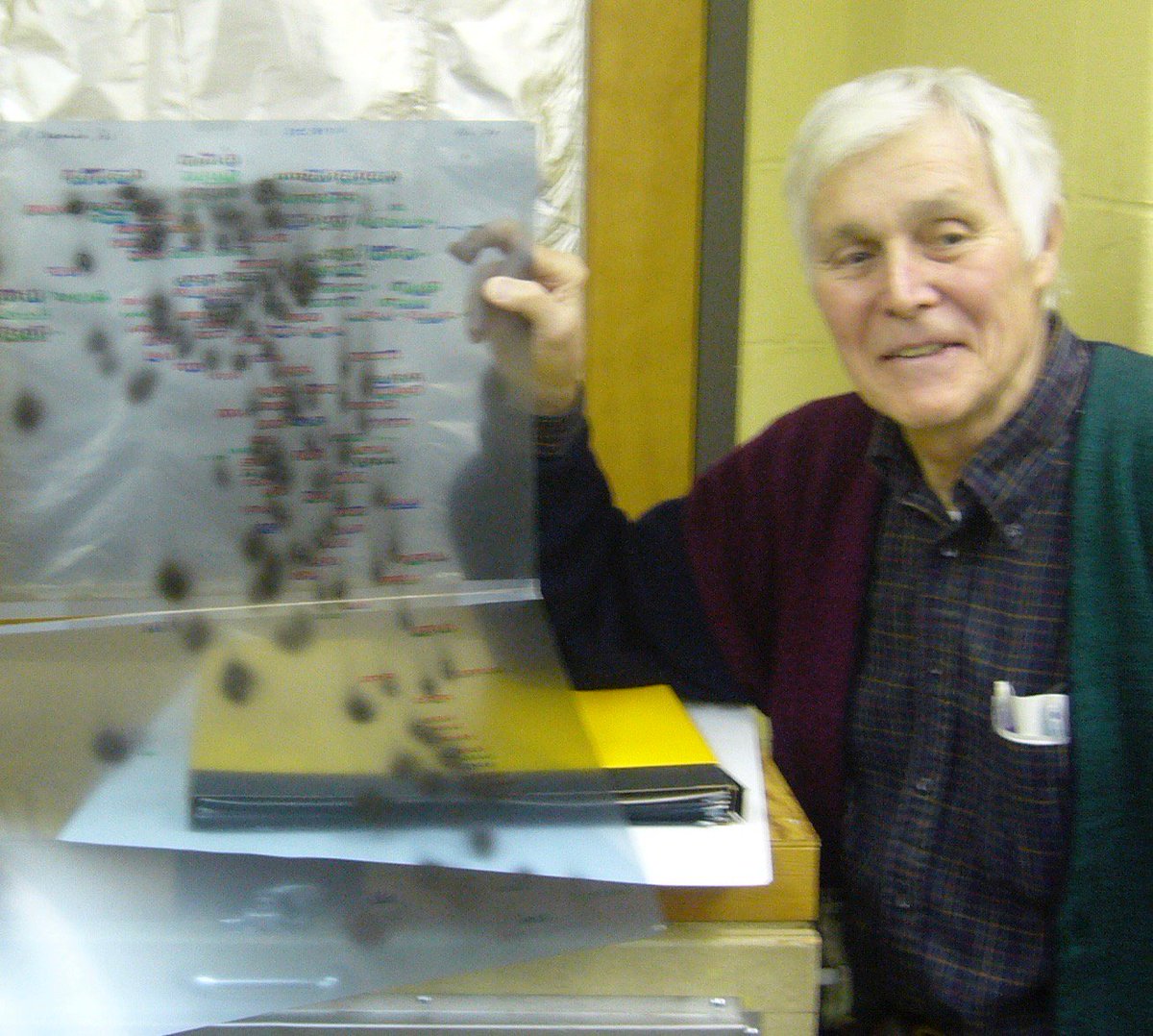
In David Quammen’s book, Carl Woese’s work was crucial to the debate, pioneering molecular phylogenetics, using (at the time) dangerous, innovative techniques to study RNA as a basis to determine species and evolution.
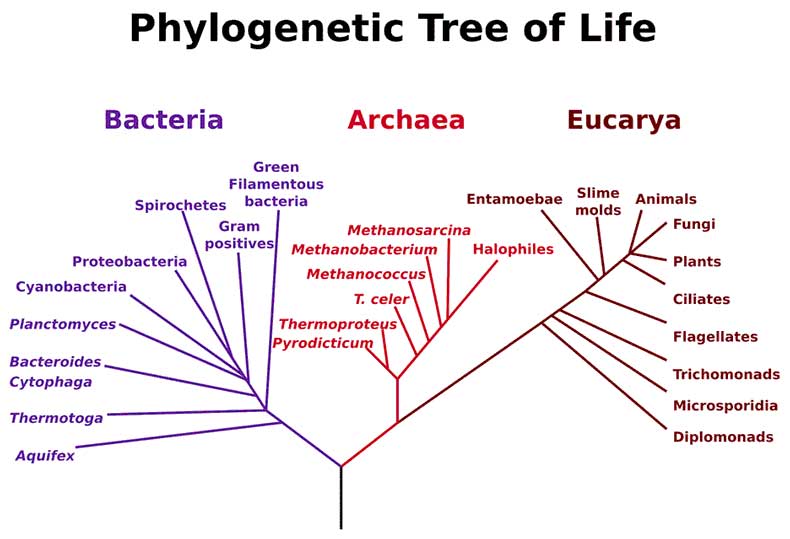
After demonstrating that there was a third “kingdom”, the Archaea, different from Bacteria, Carl Woese proposed a new Tree of Life pictured above.LynnMargulis, married Carl Sagan when she was 19. After bearing 2 sons with him, she moved on. She took her second husband’s name, Margulis while making her revolutionary mark on biology. After juggling the three jobs of scientist, mother and wife, she decided to forego that last job, wife. Her work synthesized earlier ideas, which she coined, endosymbiosis, that organelles, crucial to more complex life forms – including humans – were based on “infective heredity” by bacteria, that established essential organelles such as mitochondria, chloroplasts and centrioles.
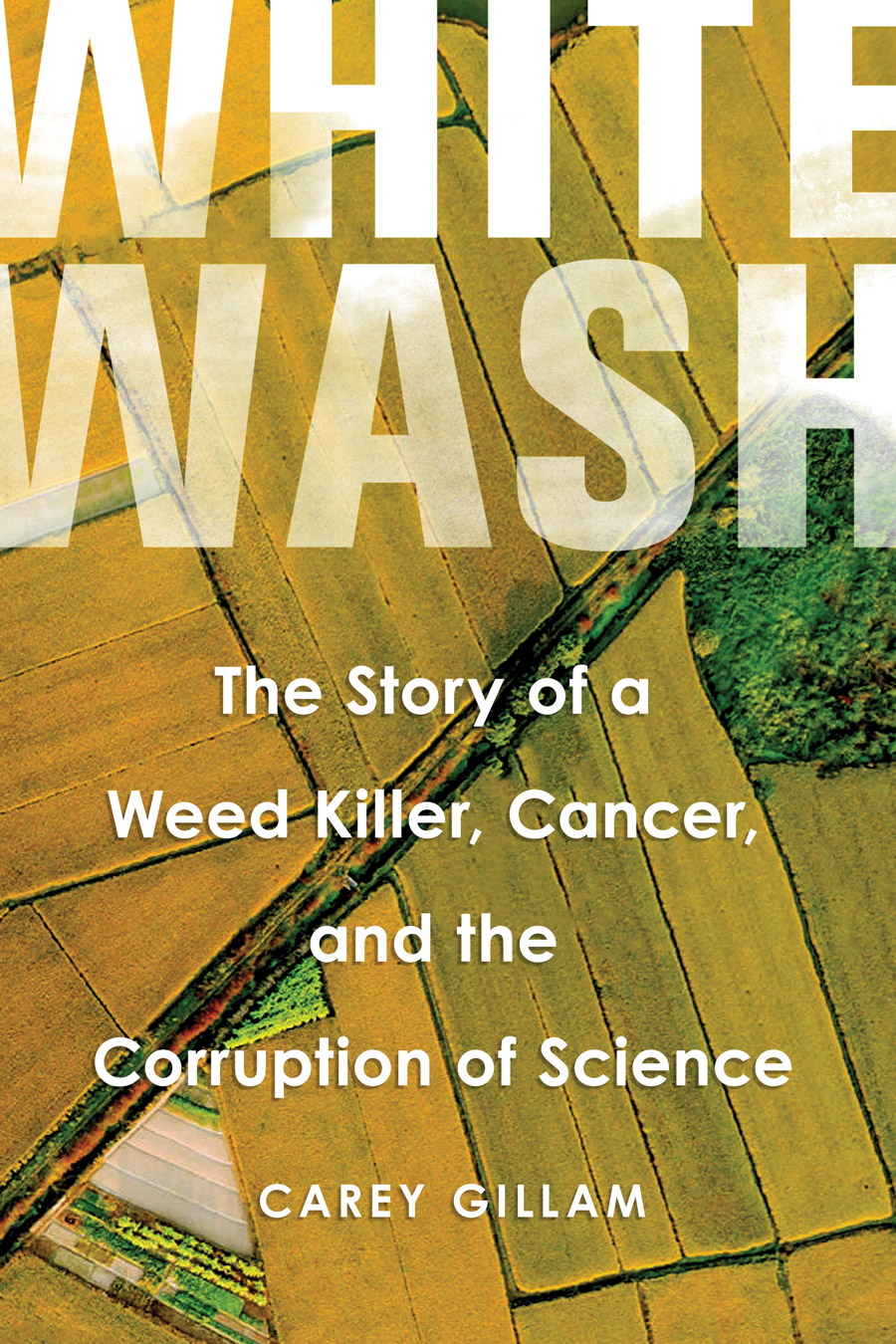
In the first sement, we speak with researcher and author, Larry Hancock, about his very timely book, CREATING CHAOS: COVERT POLITICAL WARFARE FROM TRUMAN TO PUTIN. In our second segment, we welcomed back researcher and award winning author of the also very timely book, WHITE WASH: THE STORY OF A WEED KILLER, CANCER, AND THE CORRUPTION OF SCIENCE, Carey Gillam, to get her impressions of the historic jury verdict on August 10, 2018 ordering Monsanto to pay $289 million dollars to former Benicia School District groundskeeper, Dewayne “Lee” Johnson, for it’s negligence and acting with malice or oppression regarding their herbicides, Roundup Pro and Ranger Pro.
Following service in the U.S. Air Force, Larry Hancock’s career in computer/communications and technology marketing allowed him to become a consultant on strategic analysis and planning studies. With seven books in print, Larry Hancock’s most recent works include an exploration of long term patterns in covert action and deniable warfare (Shadow Warfare), the effectiveness of national command authority and command and control practices (Surprise Attack) and (together with Stuart Wexler) the assassination of Martin Luther King, Jr. (The Awful Grace of God: Religious Terrorism, White Supremacy, and the Unsolved Murder of Martin Luther King, Jr.). His latest book, CREATING CHAOS: COVERT POLITICAL WARFARE FROM TRUMAN TO PUTIN, published by OR Books. Our interview ends at 32:23.
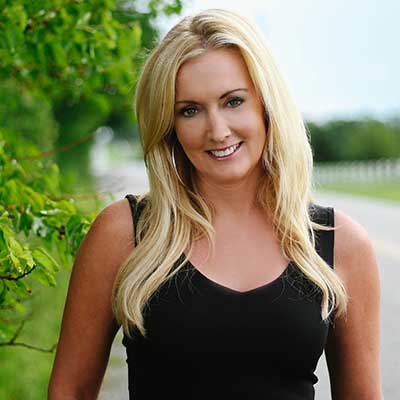
Carey Gillam is a veteran journalist, researcher and author, who has more than twenty-five years’ experience in the news industry covering corporate America. Since 1998, Carey Gillam’s work has focused on digging into the big business of food and agriculture. As a former senior correspondent for Reuters’ international news service, and a current contract researcher and freelance writer, she specializes in finding the story behind the spin–uncovering both the risks and rewards of the evolving new age of agriculture. Her areas of expertise include biotech crop technology, agrichemicals and pesticide product development, and the environmental impacts of American food production. She is currently Research Director for the nonprofit U.S. Right to Know. Her book, WHITE WASH: THE STORY OF A WEED KILLER, CANCER, AND THE CORRUPTION OF SCIENCE, is published by Island Press.
She has been awarded this year’s Rachel Carson Book Award by the Society of Environmental Journalists, as well as the 2018 Independent Book Publishers Award.
Congratulations to Carey Gillam for receiving the prestigious Rachel Carson Book Award by the Society of Environmental Journalists, as well as the 2018 Independent Book Publishers Award.
Dewayne “Lee” Johnson with his two sons.
On Friday August 10, 2018, a jury in San Francisco’s Superior Court of California rendered an historic verdict in the civil trial of Dewayne Johnson v. Monsanto, finding that Monsanto’s glyphosate based weedkillers, including Roundup, caused his non-Hodgkin lymphoma, and that the corporation failed to warn him of the health hazards from exposure. Additionally, the jury found that Monsanto “acted with malice or oppression, and that its weed killers contributed “substantially” to Mr Johnson’s terminal illness..”
The jury deliberated for three days before finding that Monsanto had failed to warn Johnson and other consumers of the cancer risks posed by its weedkillers. It ordered Monsanto to pay $289 million – $39 million in compensatory and $250 million in punitive damages. Monsanto has said it would appeal the verdict.
Johnson’s case, filed in 2016, was fast-tracked for trial, due to the severity of his non-Hodgkin’s lymphoma, a cancer of the lymph system, that he alleges was caused by Roundup and Ranger Pro, another Monsanto glyphosate herbicide. A former pest control manager for a California county school system, Johnson, 46, applied the weedkiller up to 30 times per year. Johnson was the first of more than 4 ,000 people suing Monsanto in state and federal courts around the country, claiming their cancers were caused by glyphosate-based Roundup. Johnson’s case was particularly significant, because a judge allowed his team to present scientific arguments. The verdict came a month after a federal judge ruled that cancer survivors, or relatives of the deceased, could bring similar claims forward in another trial. Glyphosate is the world’s most widely used herbicide.
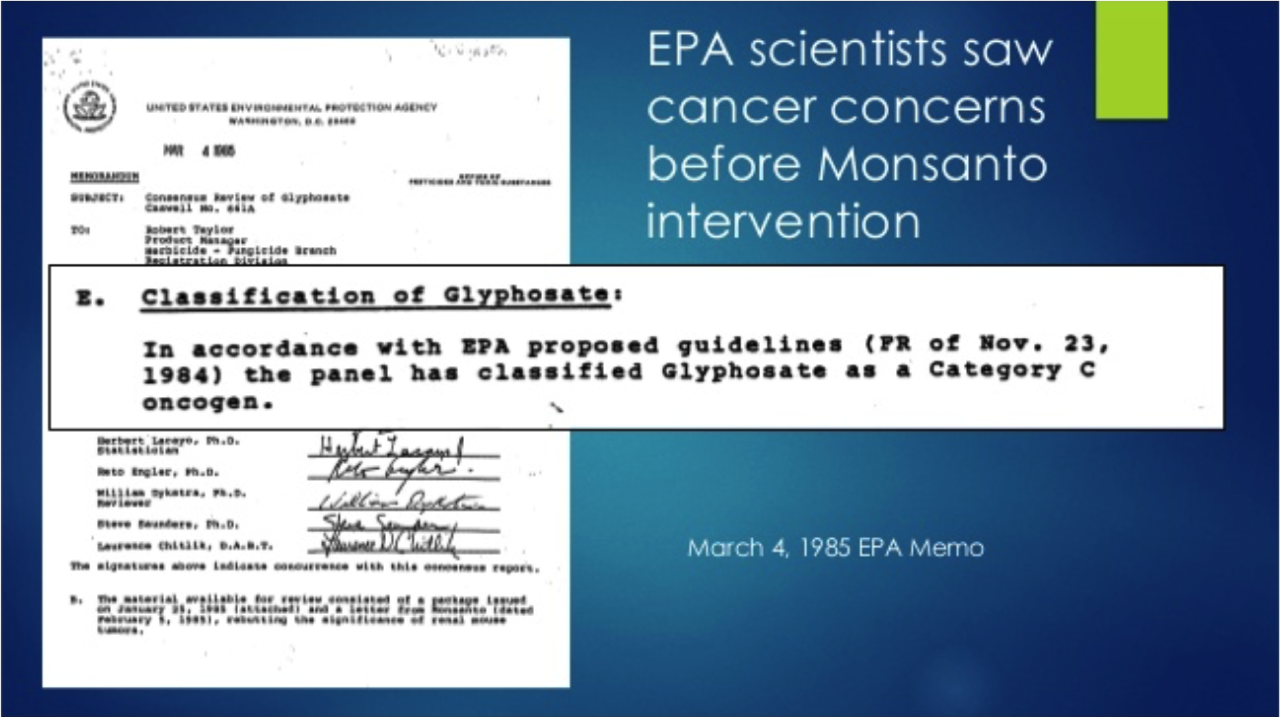
Over the course of the four-week trial, jurors heard testimony by statisticians, doctors, public health researchers and epidemiologists, who disagreed on whether glyphosate can cause cancer. Brent Wisner, a lawyer for Johnson, said jurors for the first time had seen internal company documents “proving that Monsanto has known for decades that glyphosate, and specifically Roundup, could cause cancer.” Jurors saw internal emails from Monsanto executives that demonstrated the corporation repeatedly ignored experts’ warnings, sought favorable scientific analyses, and helped to “ghostwrite” research that encouraged continued usage.
The U.S. Environmental Protection Agency in September 2017 concluded a decades-long assessment of glyphosate risks and found the chemical not likely carcinogenic to humans. But the World Health Organization’s cancer arm in 2015 classified glyphosate as “probably carcinogenic to humans.” In a written statement, the company said it was “sympathetic to Mr Johnson and his family” but it would “continue to vigorously defend this product, which has a 40-year history of safe use”. “Today’s decision does not change the fact that more than 800 scientific studies and reviews – and conclusions by the US Environmental Protection Agency, the US National Institutes of Health and regulatory authorities around the world – support the fact that glyphosate does not cause cancer, and did not cause Mr Johnson’s cancer,” it added. Pharmaceutical group, Bayer, completed it’s $66 billion takeover of Monsanto in June.
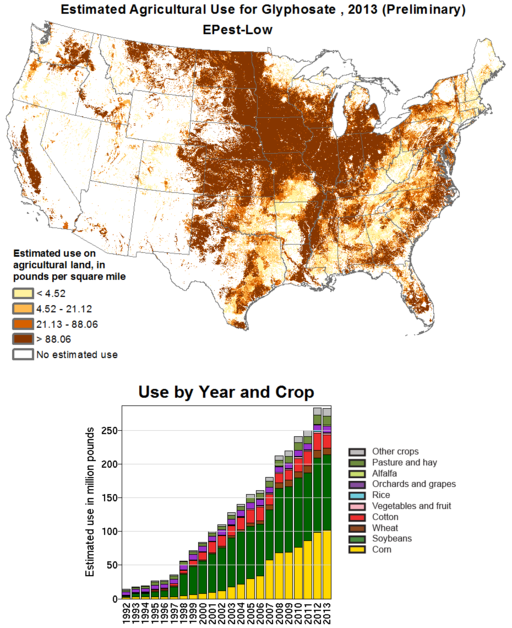
In this edition of Forthright Radio, originally broadcast in March 2018, and then rebroadcast in late June as the trial was about to begin, researcher and author, Carey Gillam, discusses what her years of investigation reveals about Glyphosate and how science is done in determining the safety of agricultural products.
Our guest today is veteran journalist, researcher and author, Carey Gillam, who has more than twenty-five years’ experience in the news industry covering corporate America. Since 1998, Carey Gillam’s work has focused on digging into the big business of food and agriculture. As a former senior correspondent for Reuters’ international news service, and a current contract researcher and freelance writer, she specializes in finding the story behind the spin — uncovering both the risks and rewards of the evolving new age of agriculture. Her areas of expertise include biotech crop technology, agrochemicals and pesticide product development, and the environmental impacts of American food production. She is currently Research Director for the nonprofit U.S. Right to Know. Her book, WHITE WASH: THE STORY OF A WEED KILLER, CANCER, AND THE CORRUPTION OF SCIENCE, is published by Island Press.
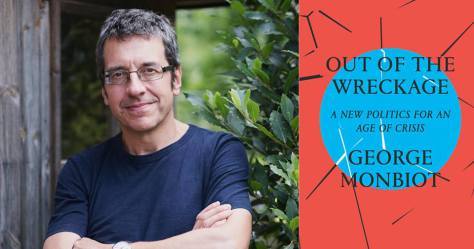
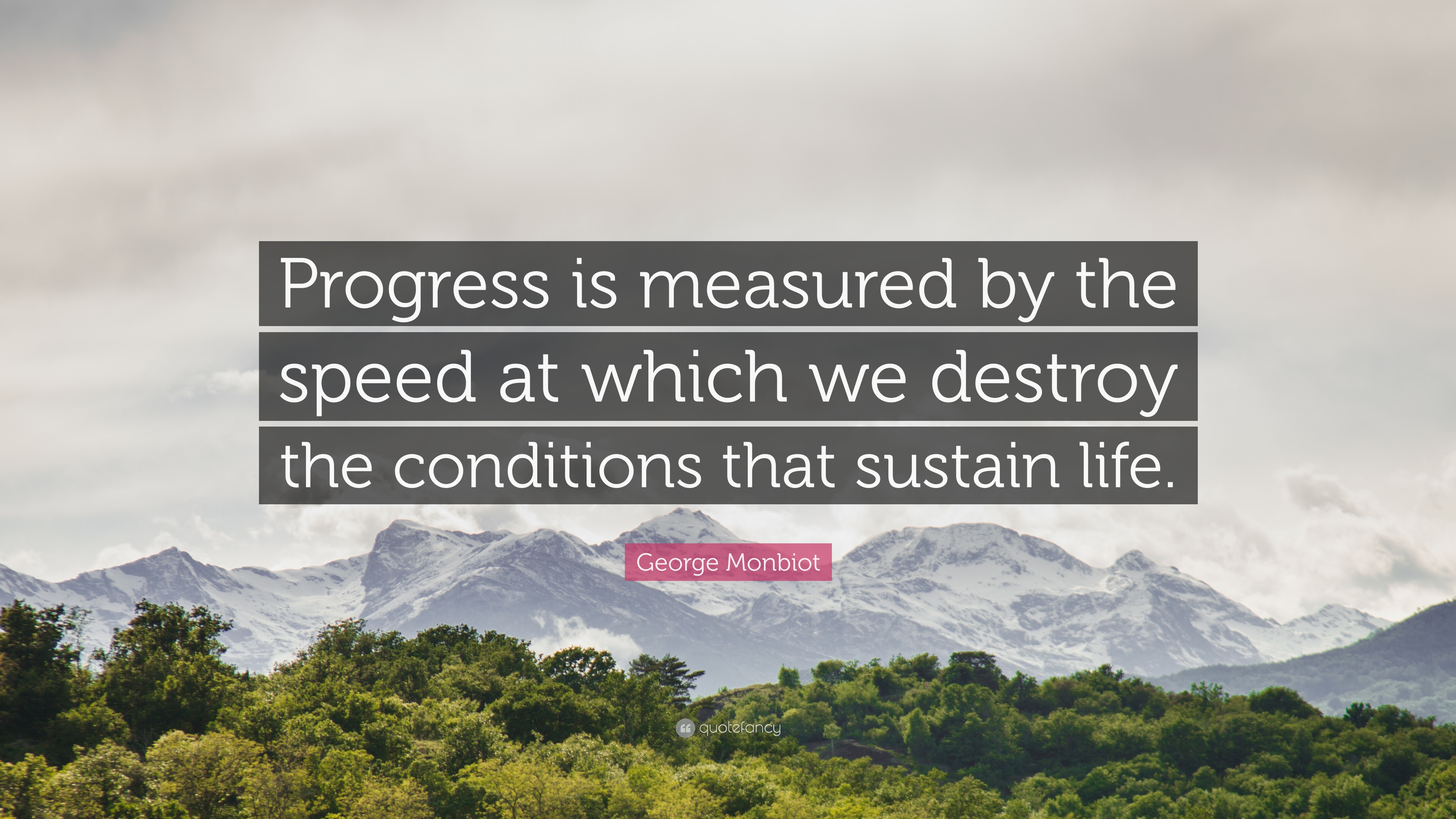
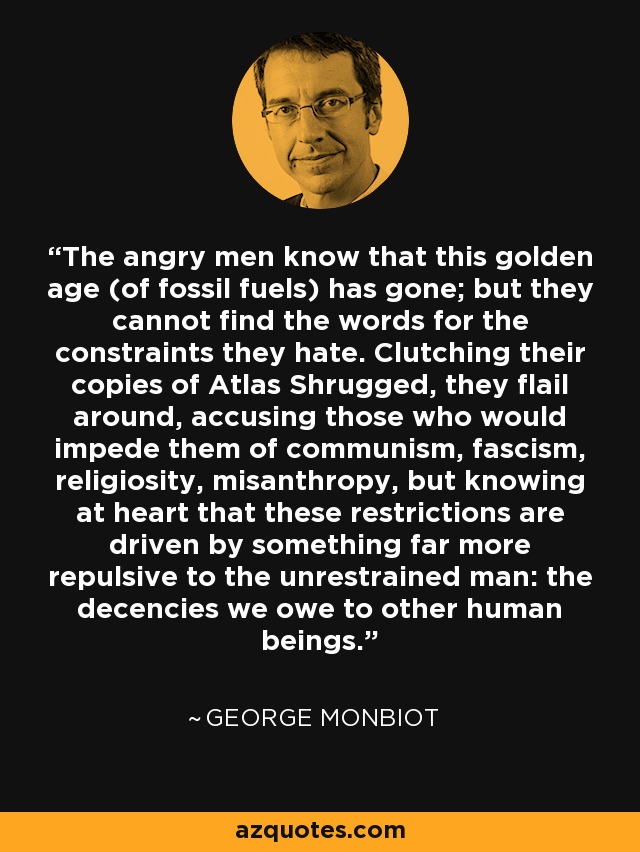
In his latest book, OUT OF THE WRECKAGE: A NEW POLITICS FOR AN AGE OF CRISIS, and drawing from many decades of a very interesting life in many different parts of the world, George Monbiot explores the question, how can we rebuild our society, outlining how both democracy and economic life can be radically reorganized from the bottom up.
OUT OF THE WRECKAGE: A NEW POLITICS FOR AN AGE OF CRISIS is published by Verso.
These are some of his articles cited in this interview:
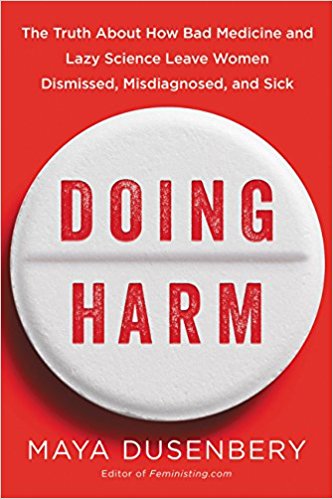
Maya Dusenbery is a journalist, editor and author of the book, DOING HARM: THE TRUTH ABOUT HOW BAD MEDICINE AND LAZY SCIENCE LEAVE WOMEN DISMISSED, MISDIAGNOSED, AND SICK. It’s published by the Harper One imprint of Harper Collins. Maya Dusenbery has been a fellow at Mother Jones magazine and an online columnist at Pacific Standard. In 2013, she became editorial director of the trailblazing site Feministing.com. Her work has appeared in many other diverse publications from the Atlantic.com to Teen Vogue. I became aware of her work from an article in BBC.com’s Health Gap series of May 29, 2018, ‘Everybody was telling me there was nothing wrong’. Before becoming a full-time journalist, she worked at the National Institute for Reproductive Health.
Maya Dusenbery reveals how women receive sub-par medical care because the medical community knows comparatively less about their bodies, diseases, and too often doesn’t trust women’s reports of their symptoms.













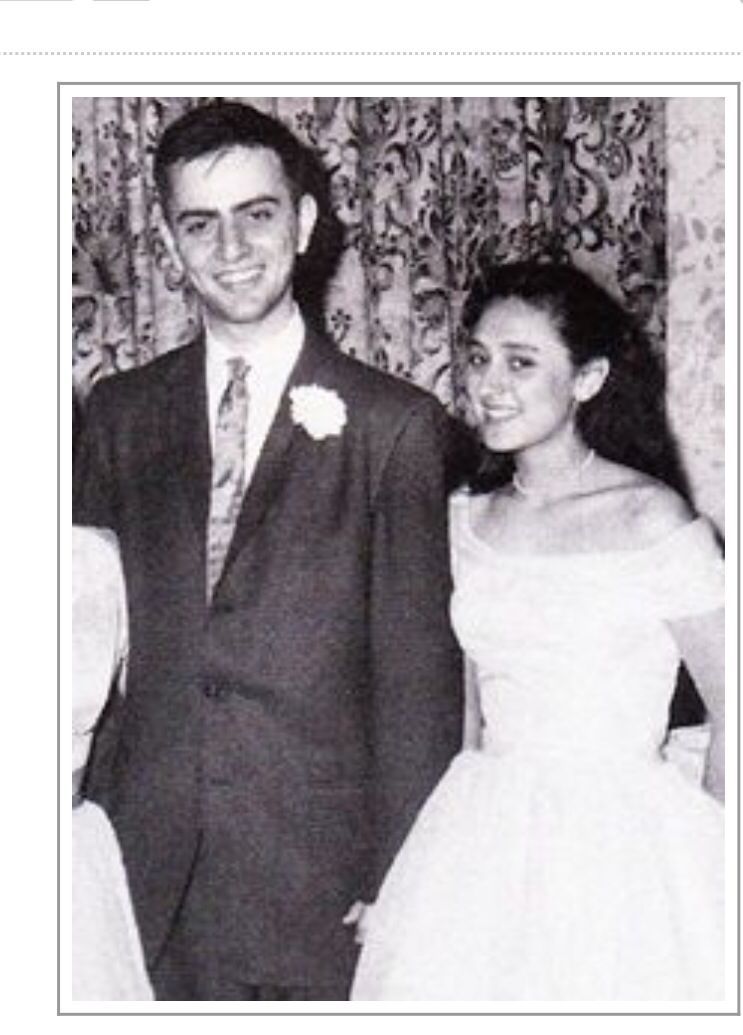 LynnMargulis, married Carl Sagan when she was 19. After bearing 2 sons with him, she moved on. She took her second husband’s name, Margulis while making her revolutionary mark on biology. After juggling the three jobs of scientist, mother and wife, she decided to forego that last job, wife.




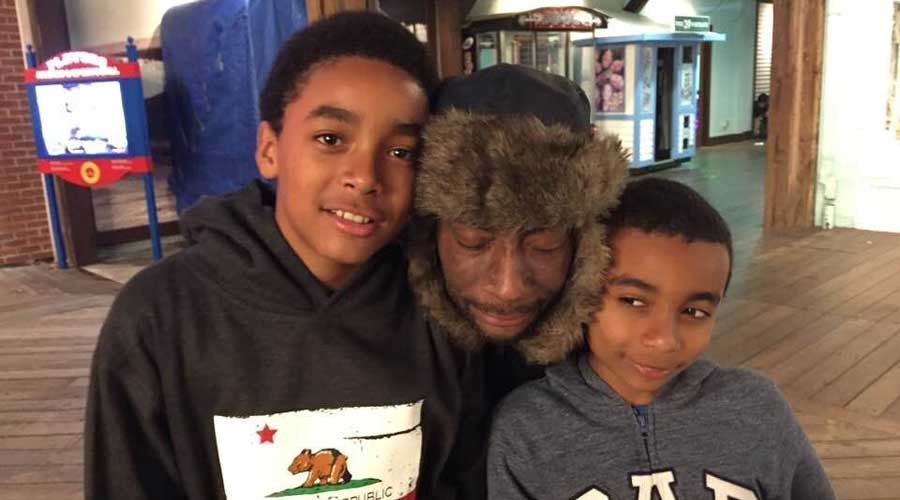

 Dewayne “Lee” Johnson with his two sons.
 Our guest today is veteran journalist, researcher and author, Carey Gillam, who has more than twenty-five years’ experience in the news industry covering corporate America. Since 1998, Carey Gillam’s work has focused on digging into the big business of food and agriculture. As a former senior correspondent for Reuters’ international news service, and a current contract researcher and freelance writer, she specializes in finding the story behind the spin — uncovering both the risks and rewards of the evolving new age of agriculture. Her areas of expertise include biotech crop technology, agrochemicals and pesticide product development, and the environmental impacts of American food production. She is currently Research Director for the nonprofit U.S. Right to Know. Her book,




 These are some of his articles cited in this interview: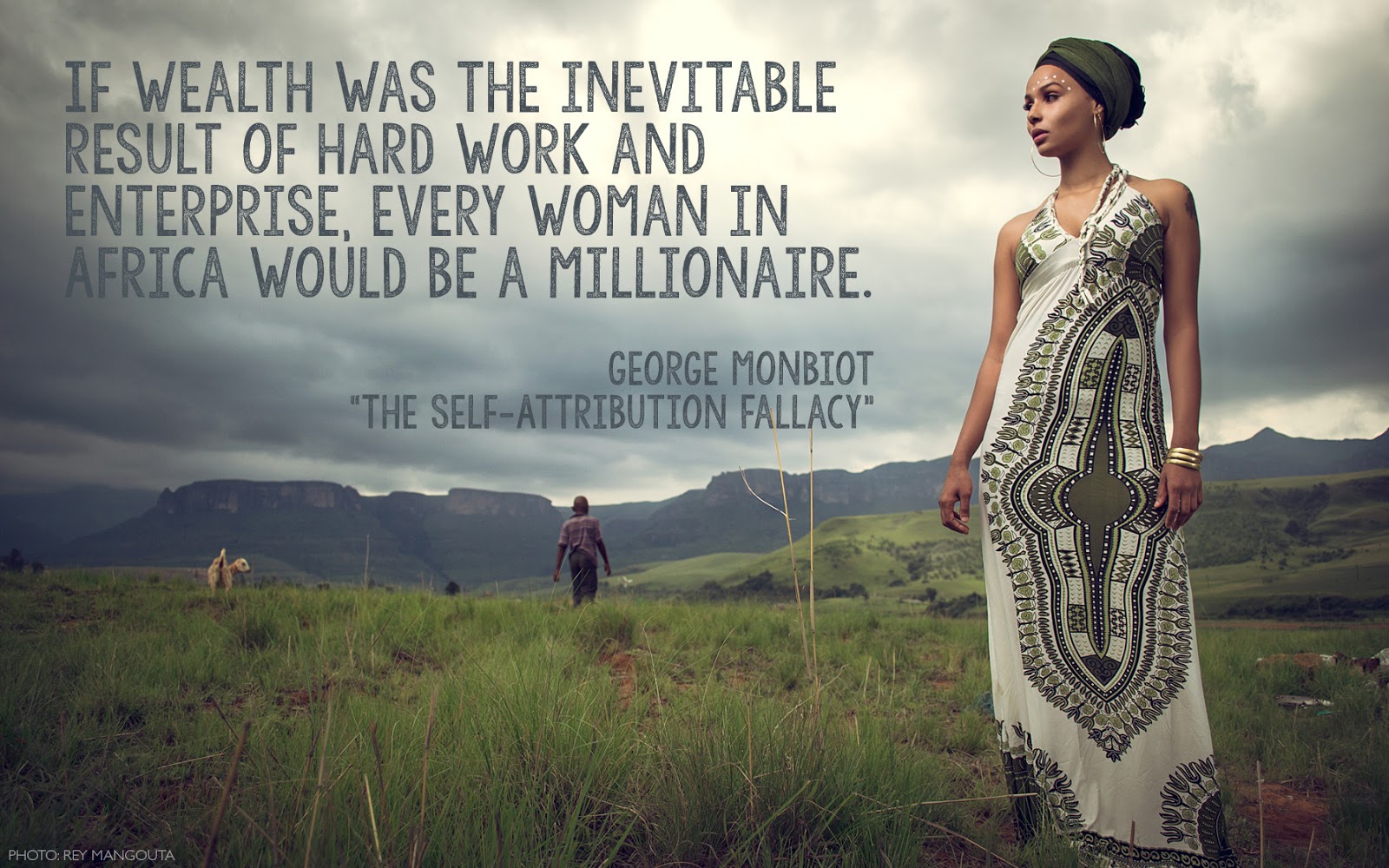

 Forthright Radio