She is a pioneer scientist on the frontier of plant communication and intelligence; who conveys complex, technical ideas in ways that are inspiring and profound. Her work has influenced filmmakers such as James Cameron’s “Tree of Souls” in Avatar. She has demonstrated that trees interact and communicate using below ground fungal networks, and that forests have elder trees, that she calls Mother Trees, which are large, highly connected trees, who play an important role in the flow of information and resources in a forest.
Her current research investigates how these complex relationships contribute to forest resilience, adaptability and recovery and has far-reaching implications for how to manage and heal forests from human impacts, including climate change.
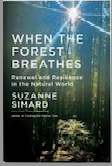
She writes about this in her latest book, WHEN THE FOREST BREATHES: Renewal and Resilience in the Natural World, published by Knopf.
We spoke with Suzanne Simard on April 3, 2026 via Zoom.
Elaine Ingham, Who Taught That Soil Is Alive, Dies at 73 A scientist and leader in the organic farming movement, she popularized the “soil food web,” and understanding that soil is a complex realm of microorganisms. https://www.nytimes.com/2026/04/19/science/earth/elaine-ingham-dead.html
Congratulations to Carey Gillam for receiving the prestigious Rachel Carson Book Award by the Society of Environmental Journalists, as well as the 2018 Independent Book Publishers Award.
Dewayne “Lee” Johnson with his two sons.
On Friday August 10, 2018, a jury in San Francisco’s Superior Court of California rendered an historic verdict in the civil trial of Dewayne Johnson v. Monsanto, finding that Monsanto’s glyphosate based weedkillers, including Roundup, caused his non-Hodgkin lymphoma, and that the corporation failed to warn him of the health hazards from exposure. Additionally, the jury found that Monsanto “acted with malice or oppression, and that its weed killers contributed “substantially” to Mr Johnson’s terminal illness..”
The jury deliberated for three days before finding that Monsanto had failed to warn Johnson and other consumers of the cancer risks posed by its weedkillers. It ordered Monsanto to pay $289 million – $39 million in compensatory and $250 million in punitive damages. Monsanto has said it would appeal the verdict.
Johnson’s case, filed in 2016, was fast-tracked for trial, due to the severity of his non-Hodgkin’s lymphoma, a cancer of the lymph system, that he alleges was caused by Roundup and Ranger Pro, another Monsanto glyphosate herbicide. A former pest control manager for a California county school system, Johnson, 46, applied the weedkiller up to 30 times per year. Johnson was the first of more than 4 ,000 people suing Monsanto in state and federal courts around the country, claiming their cancers were caused by glyphosate-based Roundup. Johnson’s case was particularly significant, because a judge allowed his team to present scientific arguments. The verdict came a month after a federal judge ruled that cancer survivors, or relatives of the deceased, could bring similar claims forward in another trial. Glyphosate is the world’s most widely used herbicide.
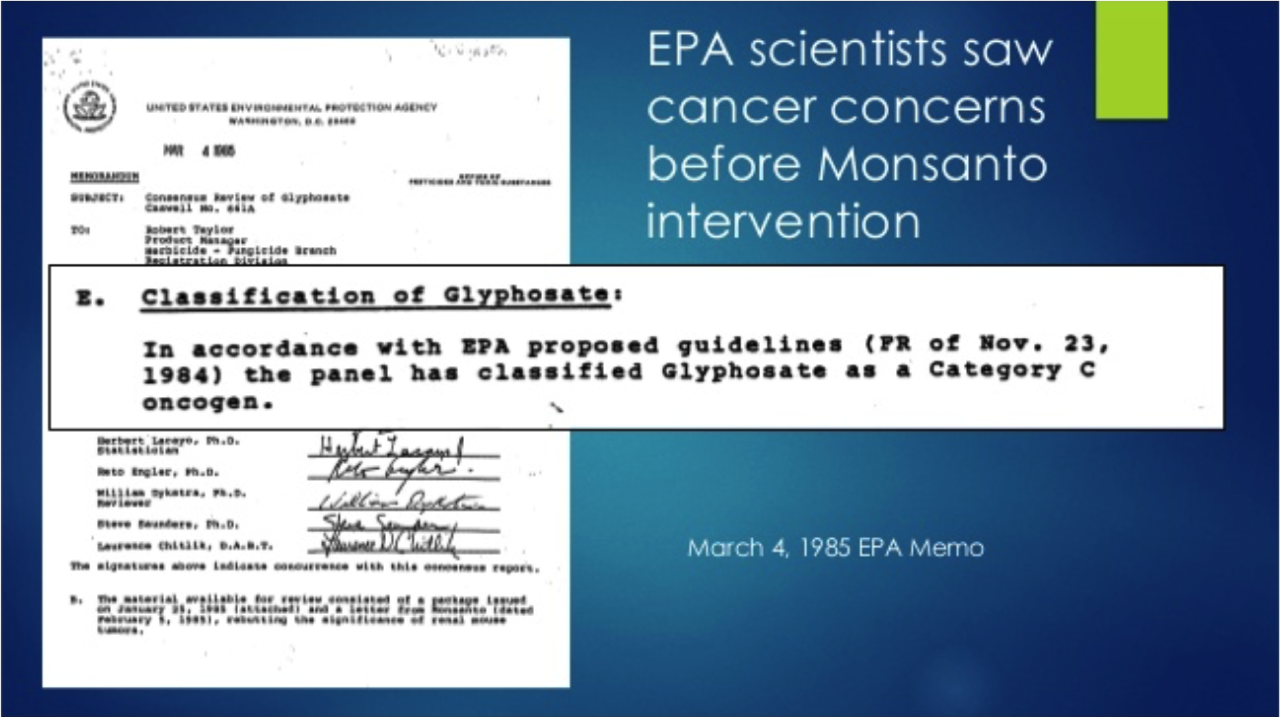
Over the course of the four-week trial, jurors heard testimony by statisticians, doctors, public health researchers and epidemiologists, who disagreed on whether glyphosate can cause cancer. Brent Wisner, a lawyer for Johnson, said jurors for the first time had seen internal company documents “proving that Monsanto has known for decades that glyphosate, and specifically Roundup, could cause cancer.” Jurors saw internal emails from Monsanto executives that demonstrated the corporation repeatedly ignored experts’ warnings, sought favorable scientific analyses, and helped to “ghostwrite” research that encouraged continued usage.
The U.S. Environmental Protection Agency in September 2017 concluded a decades-long assessment of glyphosate risks and found the chemical not likely carcinogenic to humans. But the World Health Organization’s cancer arm in 2015 classified glyphosate as “probably carcinogenic to humans.” In a written statement, the company said it was “sympathetic to Mr Johnson and his family” but it would “continue to vigorously defend this product, which has a 40-year history of safe use”. “Today’s decision does not change the fact that more than 800 scientific studies and reviews – and conclusions by the US Environmental Protection Agency, the US National Institutes of Health and regulatory authorities around the world – support the fact that glyphosate does not cause cancer, and did not cause Mr Johnson’s cancer,” it added. Pharmaceutical group, Bayer, completed it’s $66 billion takeover of Monsanto in June.
In this edition of Forthright Radio, originally broadcast in March 2018, and then rebroadcast in late June as the trial was about to begin, researcher and author, Carey Gillam, discusses what her years of investigation reveals about Glyphosate and how science is done in determining the safety of agricultural products.
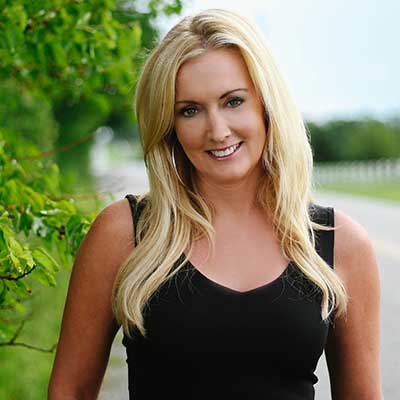
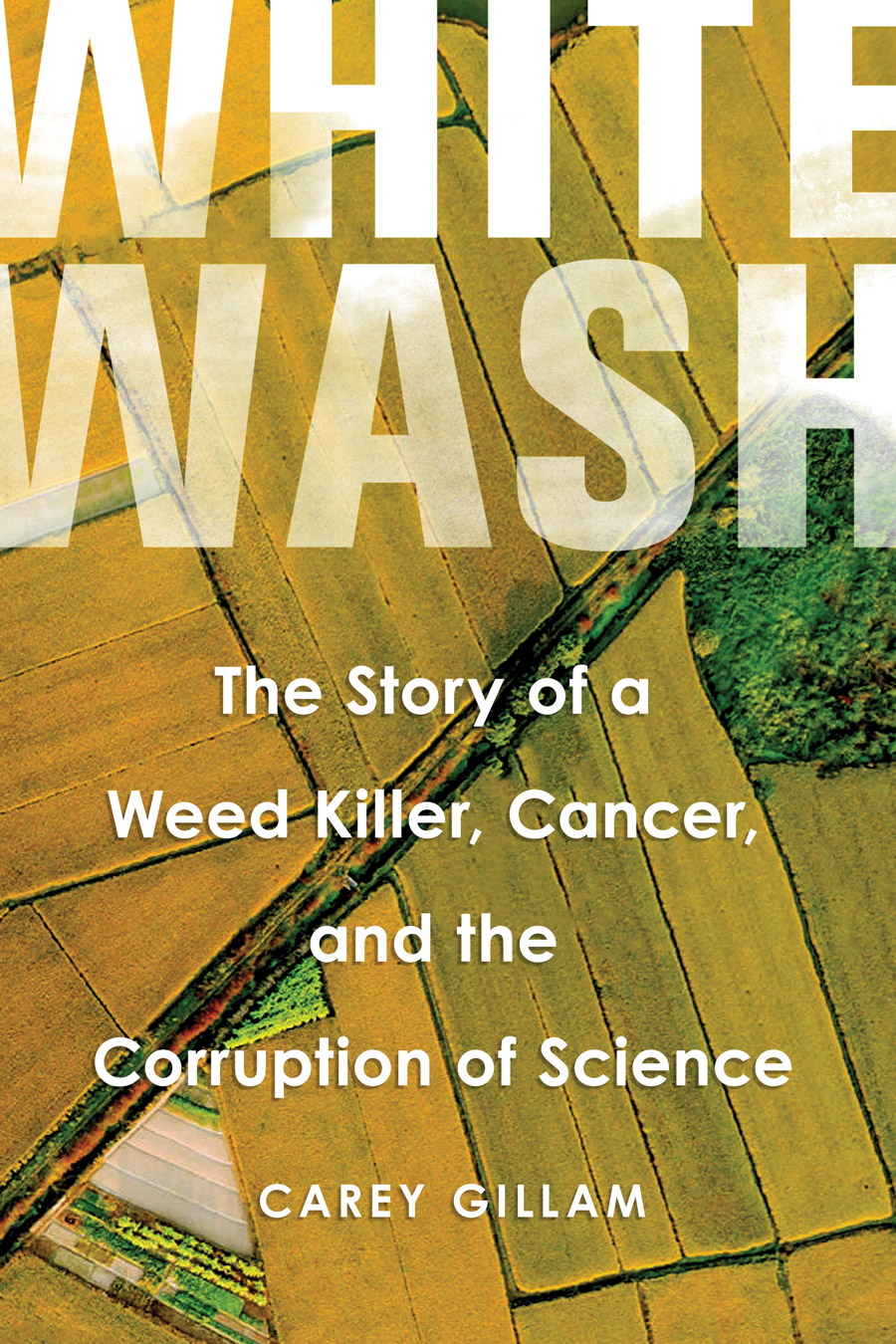
Our guest today is veteran journalist, researcher and author, Carey Gillam, who has more than twenty-five years’ experience in the news industry covering corporate America. Since 1998, Carey Gillam’s work has focused on digging into the big business of food and agriculture. As a former senior correspondent for Reuters’ international news service, and a current contract researcher and freelance writer, she specializes in finding the story behind the spin — uncovering both the risks and rewards of the evolving new age of agriculture. Her areas of expertise include biotech crop technology, agrochemicals and pesticide product development, and the environmental impacts of American food production. She is currently Research Director for the nonprofit U.S. Right to Know. Her book, WHITE WASH: THE STORY OF A WEED KILLER, CANCER, AND THE CORRUPTION OF SCIENCE, is published by Island Press.
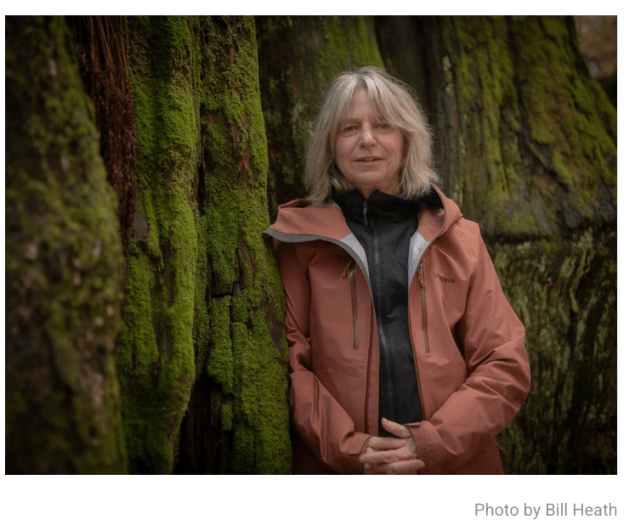
 Dewayne “Lee” Johnson with his two sons.
 Our guest today is veteran journalist, researcher and author, Carey Gillam, who has more than twenty-five years’ experience in the news industry covering corporate America. Since 1998, Carey Gillam’s work has focused on digging into the big business of food and agriculture. As a former senior correspondent for Reuters’ international news service, and a current contract researcher and freelance writer, she specializes in finding the story behind the spin — uncovering both the risks and rewards of the evolving new age of agriculture. Her areas of expertise include biotech crop technology, agrochemicals and pesticide product development, and the environmental impacts of American food production. She is currently Research Director for the nonprofit U.S. Right to Know. Her book,