
In this edition of Forthright Radio, originally broadcast on June 6, 2018, our guest is McMaster University Professor, Henry Giroux, who has been our guest numerous times over the years. His latest book, which just came out from City Lights Publishing, is American Nightmare: Facing the Challenge of Fascism. It is A far-ranging critique of the rise of authoritarianism and white nationalism in the US, and the consequences for democracy.

Henry A. Giroux currently holds the McMaster University Chair for Scholarship in the Public Interest. He is a prolific writer of books, sometimes more than one a year, and articles which appear in numerous online and print publications, as well as scholarly journals. His books include: AMERICA AT WAR WITH ITSELF; DISPOSABLE FUTURES: VIOLENCE IN THE AGE OF SPECTACLE; Hearts of Darkness: Torturing Children in the War on Terror (Paradigm, 2010); Zombie Politics and Culture in the Age of Casino Capitalism, THE VIOLENCE OF ORGANIZED FORGETTING and many, many others.


“The ideal subject of totalitarian rule is not the convinced Nazi, but people for whom the distinction between fact and fiction, true and false, no longer exists.” Hannah Arendt



 In IT’S CRIMINAL, Signe documents Sophomore Dartmouth College students in Ivy Schweitzer’s Women and Gender Studies class, who interact with women inmates at the Sullivan County Correctional Facility.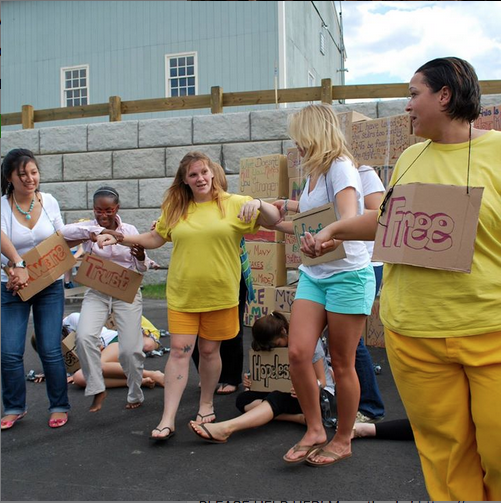




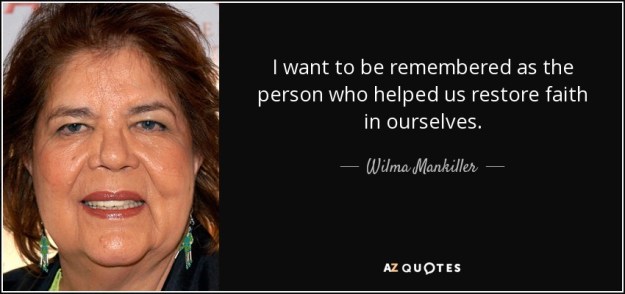
 In this edition of Radio Goes to the Movies, Gale Anne Hurd tells us about her feature length film, MANKILLER, which recounts the life of Wilma Mankiller, who overcame rampant sexism and personal challenges to emerge as the Cherokee Nation’s first woman Principal Chief in 1985.



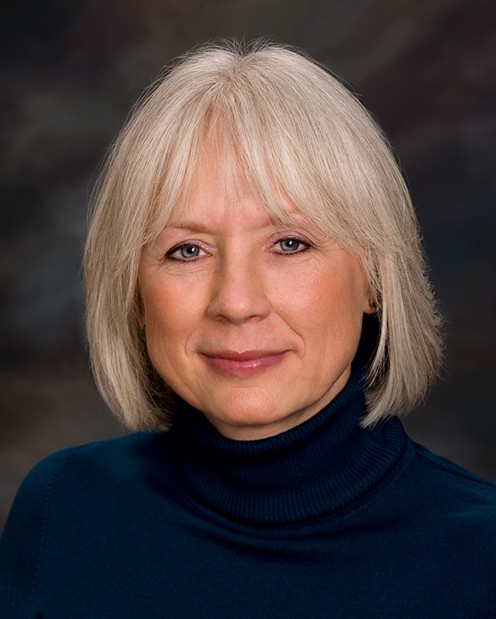



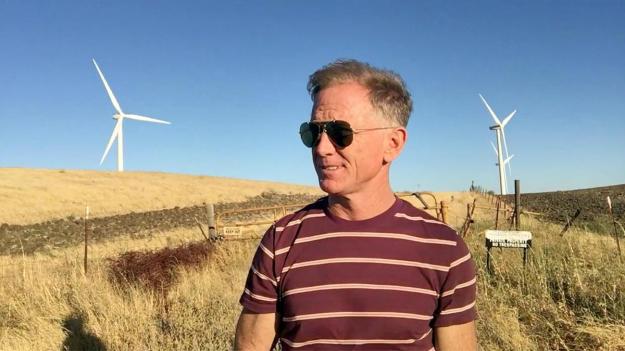 Jamie Redford embarks on a colorful personal journey into the dawn of the clean energy era as it creates jobs, turns profits, and makes communities stronger and healthier across the US. Unlikely entrepreneurs in communities from Georgetown, TX to Buffalo, NY reveal pioneering clean energy solutions while James’ discovery of how clean energy works, and what it means at a personal level, becomes the audiences’ discovery too.


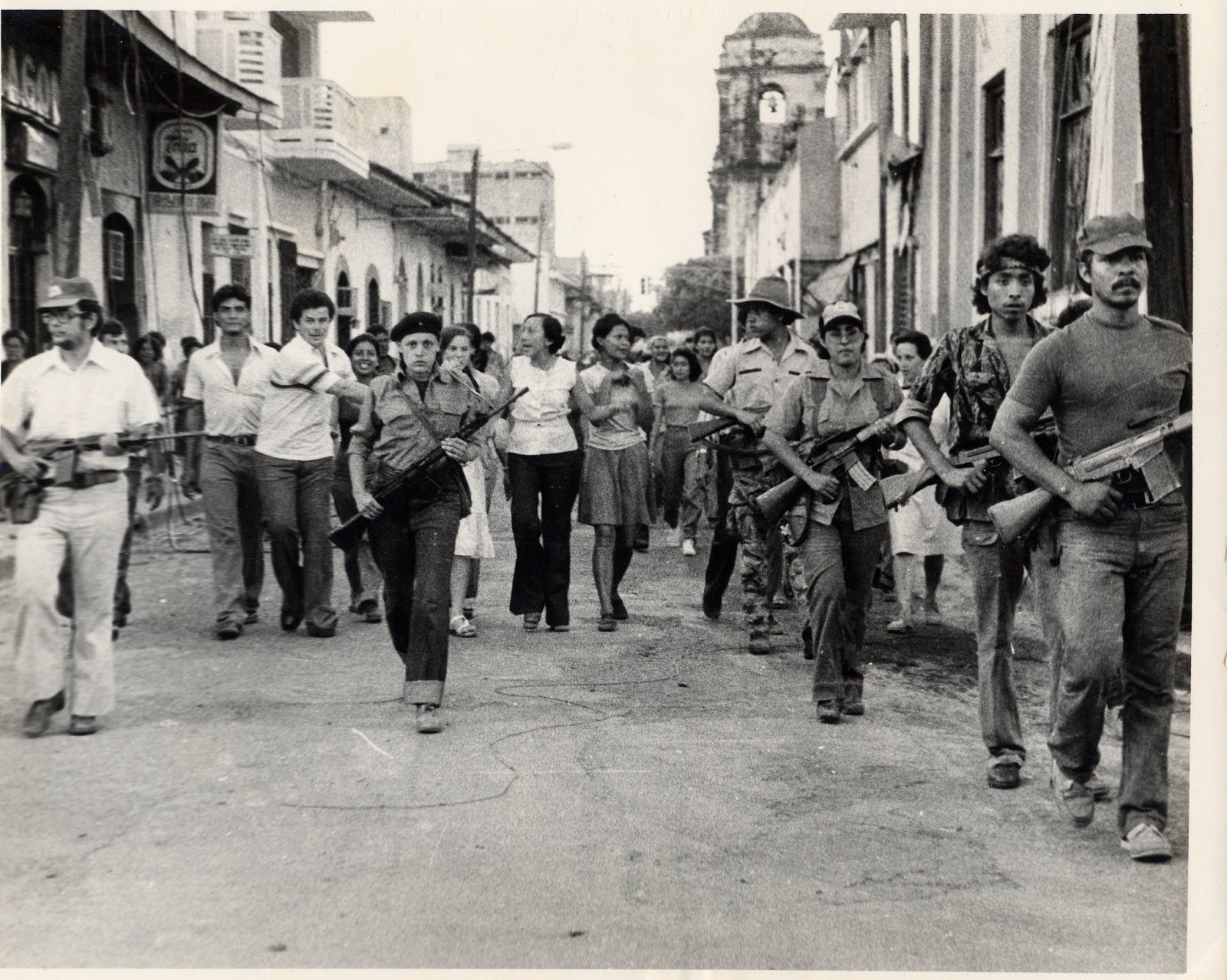
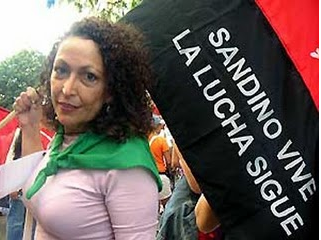
 Using stunning archival footage from the 1960s, ’70s and ’80s, and contemporary interviews with women who had survived resistance to the brutal repression, poverty, disease, economic inequality and social injustice, the film focuses on the major Sandinista General, Dora María Téllez, as well as four of her revolutionary allies. Fully 30% of the FSLN – The Nicaraguan Sandinista Liberation Front – were women.











 Forthright Radio