
As we have done each May for the last 10+ years, Forthright Radio is going to the movies, specifically reviewing documentaries from the upcoming Mendocino Film Festival. Today our show is in 2 parts. In the first, we interview Robin Lung, producer/director of FINDING KUKAN, a sort of detective story to find a long forgotten, lost film, and the almost forgotten woman who produced it, Li Ling-Ai.
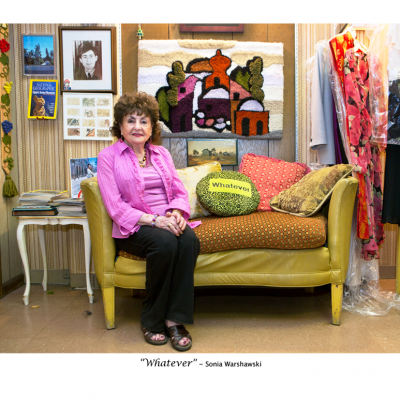
In the second segment, we speak with Leah Warshawski and Todd Soliday about their film, BIG SONIA. It’s about the amazing Sonia Warshawski, who survived 3 concentration camps, 2 beatings from SS guards, each of which almost killed her, and then, on the very day Bergen Belsen was liberated by the British, a bullet to the chest, which also almost killed her. Today, she is not only alive in her nineties, but she is a thriving, beloved member of her Kansas City community. And if you think this is just another depressing story of cruelty and brutality, you don’t know Sonia. We hope you’ll stay tuned to hear about her.
Among the things that unite these two films are: they are both about women with indomitable spirits, who are determined to get the truth out about unimaginable cruelty and atrocities. They are both about events that happened in WWII, one in Europe the other in Asia. They are both about women with unique fashion sense, of great longevity and spunk.

FINDING KUKAN:
It’s about an Academy Award-winning color documentary about World War II China, that has been lost for decades. An uncredited female producer from the early days of Hollywood. The mystery behind their disappearance from history.
In the 1930s, China risked collapse under the onslaught of Japan’s military juggernaut. Chinese-American firebrand Li Ling-Ai decided to jolt Americans into action with a new medium: 16mm Kodachrome color film. She hired photojournalist, Rey Scott, to travel to China and document the war-torn country, including the massive bombing of the wartime capital. Their landmark film, Kukan: The Battle Cry of China, was screened for President Roosevelt at the White House, and received one of the first Academy Awards for a feature documentary in 1942. So, how come we have never heard of Li Ling-Ai? And why have all copies of Kukan disappeared? Our guest, Filmmaker Robin Lung, turns detective to uncover this forgotten story.

Robin Lung is a 4th generation Chinese American, who was raised in Hawai‘i. For over 15 years, she has been bringing untold minority stories to film. A graduate of Stanford University and Hunter College in NYC, Robin Lung made her directorial debut with Washington Place: Hawai‘i’s First Home, a 30-minute documentary for PBS Hawai‘i about Hawai‘i’s historic governor’s mansion and the home of Queen Lili‘uokalani. She was the associate producer for the national PBS documentary, Patsy Mink: Ahead of the Majority (aired October 2008), Hawai‘i unit producer for acclaimed film Vivan Las Antipodas!, unit producer for NOVA’s Killer Typhoon, and producer/director for numerous short documentaries for the Historic Hawai‘i Foundation.
BIG SONIA:
In the second segment we move to the other theater of WWII, the Nazis’ march across Europe, specifically the invasion of Poland in Sept. 1939, and what we have come to know as The Holocaust.
Here’s some of the description of the film on the Mendocino Film Festival website:
A “diva” known for wearing leopard print and high heels, Holocaust survivor Sonia Warshawski, serves as a bridge between cultures and generations, while continuing to run her late husband’s tailor shop in Kansas City. She miraculously survived concentration camps, death camps, and being shot in the chest on Liberation Day, but now she faces new challenges: the mall, where she works at her shop is about to close its doors, and the risk of forced retirement looms on the horizon. And unbelievably, the voices of Holocaust deniers seem to be getting louder & stronger. What will she do?
Leah Warshawski
Producer | Co-Director
Leah Warshawski produces documentary-style features, television, commercials, and branded entertainment in remote parts of the world. Her first feature, FINDING HILLYWOOD (2013) won 6 awards, and screened at more than 65 festivals. Leah’s career in film began in Hawaii, working in the marine department for LOST and HAWAII. She is currently working on the feature doc PERSONHOOD (2017-18), and advises filmmakers on outreach, marketing and hybrid distribution plans. In addition, Leah co-founded rwandafilm.org.
Todd Soliday
Co-Director | DP | Post Supervisor | Editor | Motion Graphics
Todd Soliday is a jack-of-all-trades with 25 years experience in production and post production. He specializes in documentary storytelling and adventure films such as PLATINUM (2007). He was post-production supervisor for FINDING HILLYWOOD. Recent feature documentary projects include OUT OF LUCK (2015) and THE BREACH (2014). He and Leah are married.





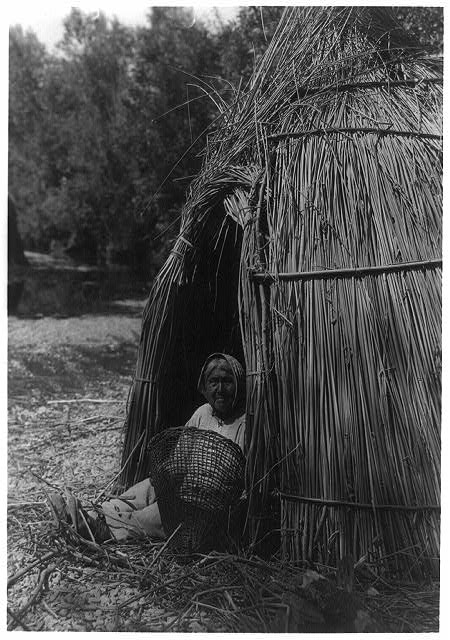
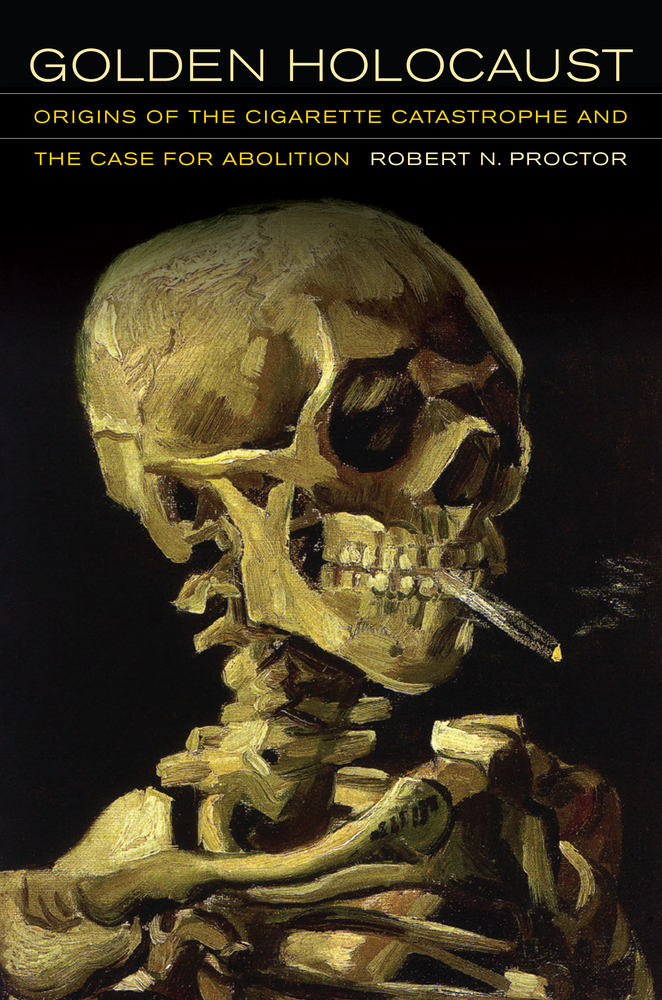
 The place we now call CA, was unknown to non-Indians until March 1543, when Spaniards first explored the coast, but it wasn’t until 226 years later, in 1769, that Spain sent soldiers and Franciscan missionaries north from Mexico to colonize it, to preempt British, Dutch and Russian expansion, and to protect northern Mexico’s silver mines. At that time, there were about 310,000 native people living there, which seems small compared to California’s current population of almost 40 million, but he writes that it was actually the densest native population north of Mexico in North America. We began by discussing this pre-European CA population, and how they lived on the land.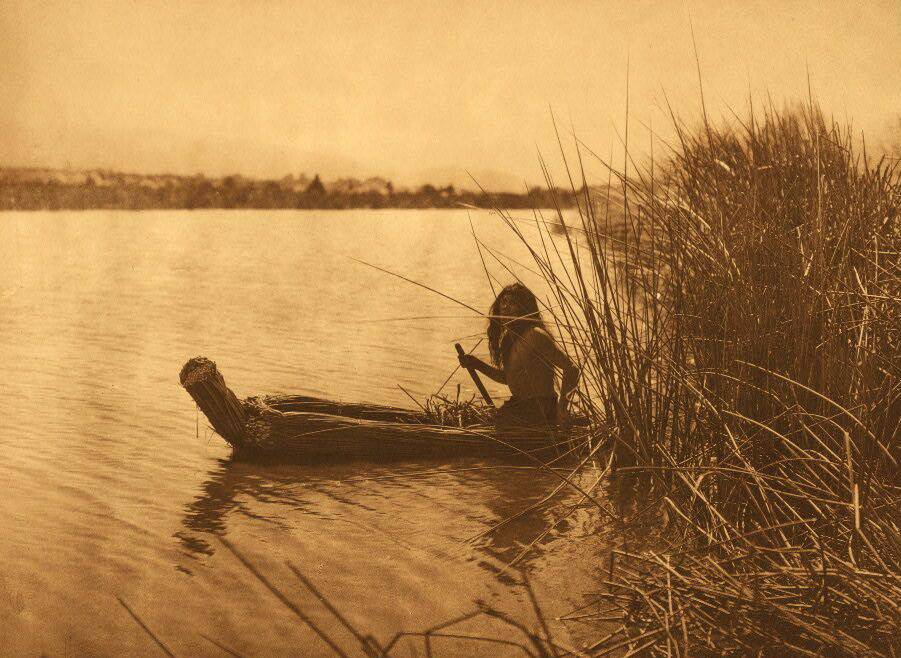
 The Mendocino Indian Reservation was discontinued in March 1866 and the land opened for settlement 3 years later.


 Forthright Radio