Since the death in 1967, of Koch patriarch, Fred Koch,
Charles Koch has governed the private corporation, Koch Industries, influencing the economy and politics of the United States as few individuals have ever done in history.
An early, lucrative investment was the acquisition of the Pine Bend Refinery, a “cash cow” for the Kochs for over 50 years. Conflicts with labor unions and violations of environmental laws marked Koch management of Pine Bend
In Kochland: The Secret History of Koch Industries and Corporate Power in America (Simon & Schuster, 2019), business journalist, Christopher Leonard, delves deeply into the history of the Koch family and businesses, whose products are foundational to the U.S. economy – from fertilizer for food to energy for transportation, industry and homes, to the fibers we wear and more.
Among its numerous acquisitions over the past 50 years, Georgia-Pacific was one of its biggest, affecting many communities, including Ft. Bragg, CA. The former mill site was bought from Koch Industries by the City of Ft. Bragg. Many are concerned about the toxic residues, including lead, arsenic, dioxin and PCBs.
Koch Network Infiltration of Public Schools ‘Harms Students, Teachers, and Our Democracy’: Report
In his documentary, THE CREEPY LINE, M.A. Taylor takes a critical look at the power of internet companies to control information, influence consumers and the electorate, and dominate 21st century culture, economics and politics.
In particular, Facebook and Google dominate the global internet, resisting meaningful regulation by government.
Former Google CEO, Eric Schmidt, said that Google operates right up to what he calls “the creepy line,” controlling platforms that seem not to be connected to it, and blocking access to individuals without recourse, appeal or explanation.
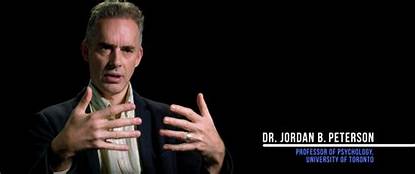
Canadian university psychology professor, Dr. Jordan Peterson, had his youtube channel removed after he wrote against pending legislation in the Canadian Parliament.
Dr. Robert Epstein had all of his Google apps from email to website abruptly blocked. He found that there was no service department to explain or remediate this violation. He has conducted numerous experiments demonstrating how platforms such as Google can change opinions of voters and consumers to astounding degrees.
Taylor asserts that unlike corporations such as Apple and Microsoft, which deliver products – for hefty prices – companies like Facebook and Google don’t sell us products: we ARE their product. Their data collection and increasing surveillance of almost every aspect of our lives, which they sell to other companies, the government and anyone they choose, should be of concern to citizens everywhere who value democracy.
We speak with Courtney Quirin, whose film, Guardian, won the JURY PRIZE for BEST DOCUMENTARY FEATURE at this year’s SF IndieFest. Guardian will be screened at the Mendocino Film Festival this Saturday, June 1 at 5:30 in Crown Hall. It has been described as a cautionary tale about the role of science in environmental decision-making and the repercussions of its censorship. But that is totally inadequate to describe the human focus, the magnificent cinematography and the emotional impact the film has.
Courtney Quirin’s background includes a Master’s Degree in Wildlife Management from U of Otago in New Zealand, which included going to the highlands of Ethiopia to identify the nature and extent of farmer-primate conflict. Then, on to Ohio State U. to investigate urban coyotes for her PhD, but just shy of 2 years into that degree, she realized that her true passions lie within documentary film and investigative journalism. So she earned her Master’s in Journalism and Documentary Film from the U.C. Berkeley Graduate School of Journalism. She has reported for the Associated Press in South Africa, Al Jazeera, Bay Nature Magazine and Mission Local in California.
Doug Stewart has been a Guardian in the Great Bear Rainforest since 1977, living on the Surfbird with his wife, Carol, & monitoring over 129 creeks & streams.
After Doug, Stan Hutchings is the 2nd oldest Guardian. He began as a teenager in 1979.
After the interview with Courtney, we reported on the US Navy’s proposed Training & Testing, reading a PSA from Thaïs Mazur:
The Navy is seeking Federal Regulatory Permits under the Marine Mammal Protection Act (MMPA) and the Endangered Species Act (ESA) to do weapons testing off the Mendocino coast, requesting a seven year permit to do the testing and training 12 miles offshore.
This is part of the larger Northwest Navy Training and Testing from Alaska to Northern California. The coast of Mendocino is a major migration route for gray whales and humpbacks.
The Navy is proposing activities that include anti-submarine warfare exercises involving tracking aircraft and sonar; surface-to-air gunnery and missile exercises; air-to-surface bombing exercises; and extensive testing for several new weapons systems.
U.S. Navy training exercises in the Pacific Ocean could kill, injure, or harm dozens of protected species of marine mammals — Southern Resident killer whales, blue whales, humpback whales, dolphins, and porpoises — through the use of high-intensity, mid-frequency sonar, which harass whales, dolphins and other marine mammals, 12.5 million times over the next five years. The use of sonar has been directly connected to many instances of beached whales, that have died from erupting lungs, ruptured ear drums and organ damage after military sonar exercises. Sonar exercises have also been found to cause mass strandings of whales.
The Navy is accepting comments on the DRAFT Supplemental EIS through June 12, 2019. Here is the link: https://www.nwtteis.com/PublicInvolvement/Public-Comment
After 10 years of research, Adam Higginbotham’s book, MIDNIGHT IN CHERNOBYL: The Untold Story of the World’s Greatest Nuclear Disaster,provides the first complete account of the catastrophe that encircled the world and helped precipitate the fall of the USSR. It is published by Simon & Schuster.
Some articles referring to the event can be found here:
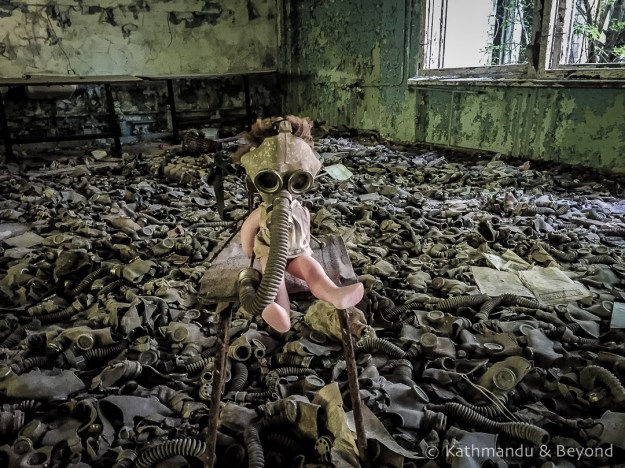
Since the explosion at the Chernobyl nuclear power plant in 1986, an area of more than 4,000 square kilometres has been abandoned. That could be about to change, as Victoria Gill discovered during a week-long trip to the exclusion zone.
On April 26, 1986, technicians conducting a test inadvertently caused the fourth reactor to explode. Several hundred staff members and firefighters then tackled a blaze that burned for 10 days and sent a plume of radiation around the world in the worst-ever civil nuclear disaster. More than 50 reactor and emergency workers were killed at the time. Authorities evacuated 120,000 people from the area, including 43,000 from the city of Pripyat. Below, recent images from Chernobyl and nearby ghost towns within the exclusion zone, as well as memorials held in Ukraine and Russia.
Michael Kaufman is the co-founder of the WHITE RIBBON CAMPAIGN, the largest international effort of men working to end violence against women. He has worked across North America and in 50 countries with the United Nations, governments, NGOs and businesses, as an adviser and speaker. He is a senior fellow with Promundo, based in Washington, D. C. He is the author, or editor, of 8 books, including CRACKING THE ARMOUR: POWER, PAIN AND THE LIVES OF MEN, and BEYOND PATRIARCHY: ESSAYS BY MEN ON PLEASURE, POWER, AND CHANGE. His latest book is THE TIME HAS COME: WHY MEN MUST JOIN THE GENDER EQUALITY REVOLUTION, published by Counterpoint Press.
In addition we hear from Carey Gillam, author of WHITE WASH: THE STORY OF A WEED KILLER, CANCER, AND THE CORRUPTION OF SCIENCE, to report on the unanimous SF Federal Court jury verdict just yesterday afternoon, on March 19, 2019, determining that Monsanto’s glyphosate based weed-killer, Round-up, was a “substantial factor” in former Gualalla resident Edwin Hardeman’s developing Non-Hodgkins lymphoma.
Julian Brave NoiseCat is an enrolled member of the Canim Lake Band Tsq’escen in British Columbia. He is a graduate of Columbia University, and received a Clarendon Scholarship to study global and imperial history at the University of Oxford. He was formerly the native issues fellow at The Huffington Post. He writes for The Guardian, The Nation, The Paris Review, CBC, Vice, Pacific Standard, Dissent, Jacobin, Fusion, Indian Country Today, Salon, High Country News, Canadian Geographic, Frontier Magazine, World Policy Journal as well as other publications.
Julian Brave NoiseCat, a contributing editor of the newly unveiled Indigenous Peoples Atlas of Canada, points on a giant map at a launch event in Toronto, Wednesday August 29, 2018. The Indigenous Peoples Atlas of Canada includes a four volume print atlas, an online atlas, an app, and a giant floor map. (THE CANADIAN PRESS/Mark Blinch)
We first had Dahr Jamail on Forthright Radio in March, 2005 with Mark Manning, to discuss what was going on with the U.S.’s Second Siege of Fallujah, Iraq. He courageously went there un-embedded and defied the military information blockade to report what had actually happened there. Since then he has been our guest five times over the years.
For the past few years, he has been focusing on Climate Disruption in various journals, including truthout.org, where he had been publishing monthly Climate Dispatches.
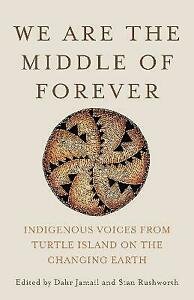
And now his book, THE END OF ICE: BEARING WITNESS AND FINDING MEANING IN THE PATH OF CLIMATE DISRUPTION has been published by The New Press. He goes to many places around the world and speaks with indigenous people and scientists on the front lines of what can only be described as an accelerating global disaster of human caused climate disruption, geological change and mass extinction. Unlike most other narratives of climate disruption, not only does he document the science, but he also addresses the emotional, psychological, philosophical and ethical dimensions.
I was struck by a simple observation he makes between the outlook of dominant settler colonialist cultures, which speak of rights, and of most indigenous cultures, which emphasize obligations. That lead to what one of your interviewees called “the con job of hope and hopelessness,” and what you say is “the necessity of unblocking grief.”
“It is not light that is needed, but fire; it is not the gentle shower, but thunder. We need the storm, the whirlwind, the earthquake. The feeling of the nation must be quickened; the conscience of the nation must be roused; the propriety of the nation must be startled; the hypocrisy of the nation must be exposed; and the crimes against God and man must be proclaimed and denounced.” from A Democracy in Exile Fights Against Fascism
In this edition of Forthright Radio, we welcome back Professor Henry Giroux, who holds the McMaster University’s Chair for Scholarship in the Public Interest in the English and Cultural Studies Department, and who is the Paulo Freire Distinguished Scholar in Critical Pedagogy. He is a prolific author and journalist. His books -more than 65 – include AMERICA AT WAR WITH ITSELF; DISPOSABLE FUTURES: VIOLENCE IN THE AGE OF SPECTACLE; HEARTS OF DARKNESS: TORTURING CHILDREN IN THE WAR ON TERROR; ZOMBIE POLITICS AND CULTURE IN THE AGE OF CASINO CAPITALISM, and THE VIOLENCE OF ORGANIZED FORGETTING.
Articles by Professor Giroux cited in this interview include:
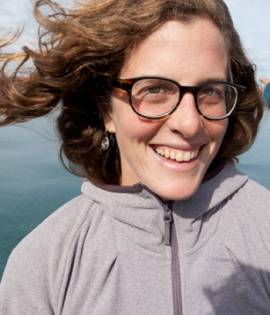
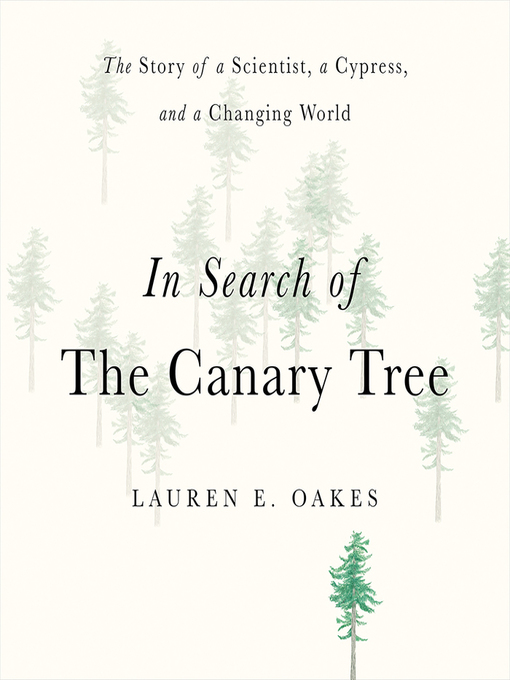
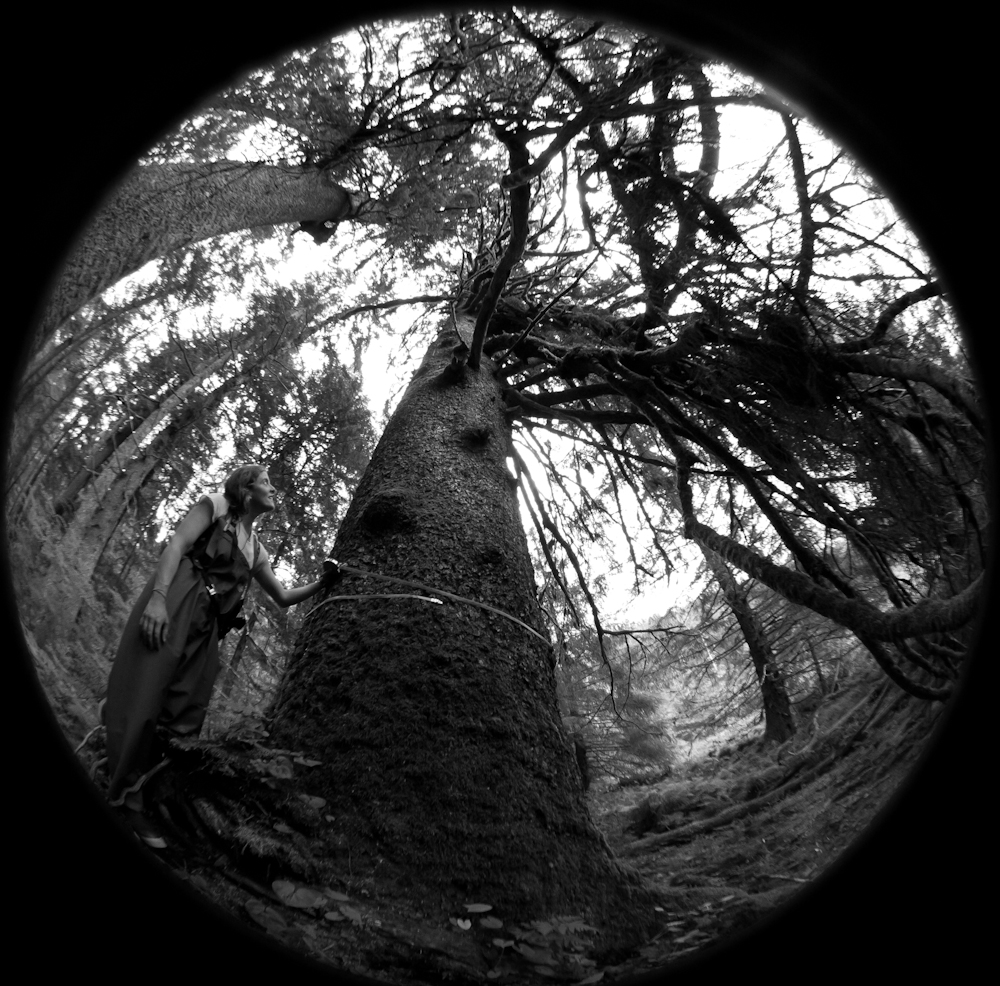
IN SEARCH OF THE CANARY TREE: THE STORY OF A SCIENTIST, A CYPRESS, AND A CHANGING WORLD, published by Basic Books, chronicles the six years Lauren E. Oakes, PhD, spent beginning in 2010, as a young Stanford University scientist, doing doctoral research in South East Alaska, studying the mysterious die-back of ancient yellow cedar trees. Hers was a multi-disciplinary approach. In addition to the grueling field work studying thousand of trees, and countless other plants in the changing forests, she also interviewed local folks, including native Tlingit weavers, timber operators, other scientists, and just regular folks who enjoy the forests for recreation. There were many surprises along the way, which she shares with us in this interview.
In her latest book, FEMINISM’S FORGOTTEN FIGHT: THE UNFINISHED STRUGGLE FOR WORK AND FAMILY, Fordham University Associate Professor of History, Kirsten Swinth, corrects many myths and misconceptions about Second Wave Feminism, demonstrating that it isn’t feminism that has betrayed women, but the society that failed to make the far-reaching changes for which feminists fought in the period 1963 to 1978.






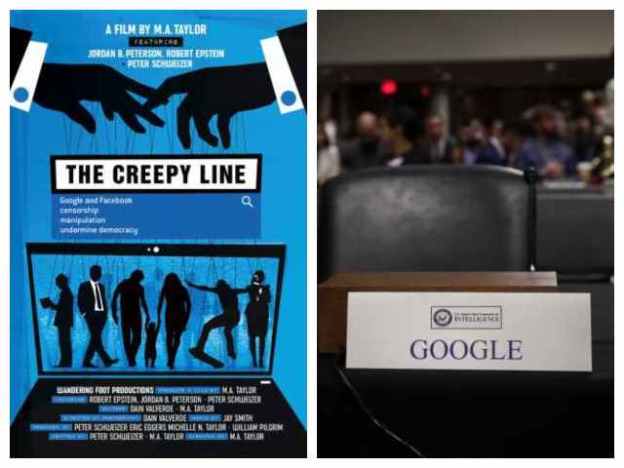

 In particular, Facebook and Google dominate the global internet, resisting meaningful regulation by government.
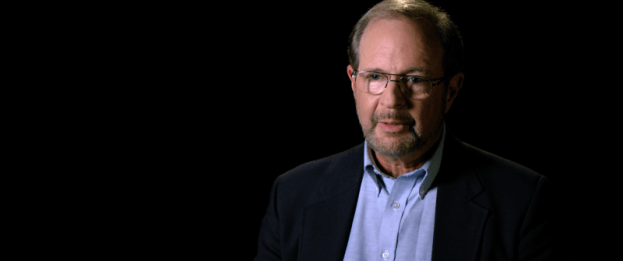 Dr. Robert Epstein had all of his Google apps from email to website abruptly blocked. He found that there was no service department to explain or remediate this violation. He has conducted numerous experiments demonstrating how platforms such as Google can change opinions of voters and consumers to astounding degrees.







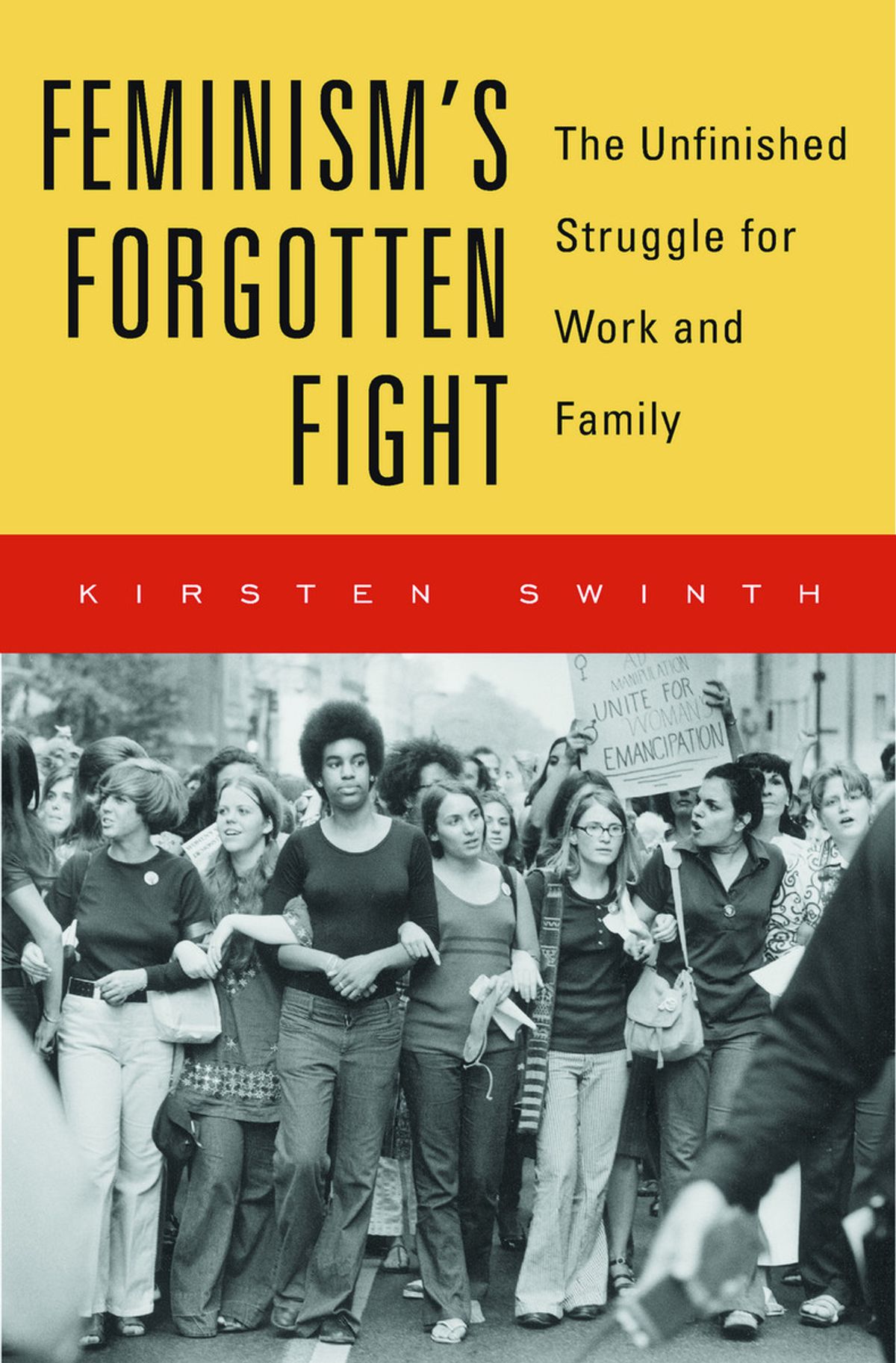 It is published by Harvard University Press.